Male infertility is more common than you may think. Here are 5 ways to protect your sperm
- Written by: Karin Hammarberg, Senior Research Fellow, Global and Women's Health, School of Public Health & Preventive Medicine, Monash University

Infertility is often thought of as a female problem but one in three IVF cycles[1] in Australia involve male infertility.
We recently published a review of the literature[2] on whether men diagnosed with male factor infertility experience greater psychological distress than fertile men or men with an infertile partner. We found irrespective of the cause of infertility, men in couples with infertility have more symptoms of depression, anxiety and general psychological distress, worse quality of some aspects of life, and lower self-esteem than fertile men.
Research also shows sperm counts are declining worldwide[3], and that lifestyle and environmental factors can reduce male fertility.
While most male causes of infertility[4] are not preventable, it’s important to know how to keep your sperm as healthy as possible. Here are five things men can do to boost their fertility.
1. Try to be in the healthy weight range
Obesity causes hormonal changes[5] that have negative effects on semen[6], including the total number of sperm, the ability of the sperm to move, the number of live sperm, and the number of sperm with a normal shape.
These reduce the chance of both spontaneous and IVF conception[7].
The good news is the adverse effects on fertility caused by excess weight in men are reversible[8]. Regular exercise[9] and a healthy diet can help reduce weight and improve sperm quality.
There is strong evidence a healthy diet rich in fruits, vegetables, whole grains, nuts, low-fat dairy, and seafood, and low in red and processed meats, sweets, and sweetened beverages is linked to better sperm quality[10].
Read more: Problems conceiving are not just about women. Male infertility is behind 1 in 3 IVF cycles[11]
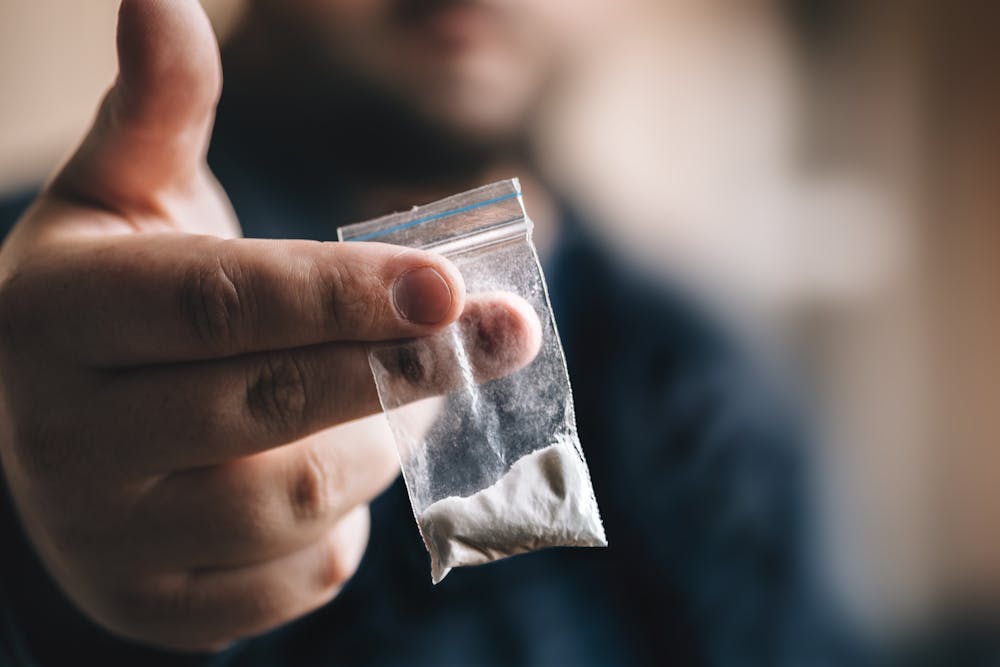
2. Avoid recreational drugs
Recreational drug use is associated with poorer reproductive health. Psychoactive drugs such as cocaine, benzodiazepines, heroin, methamphetamine, oxycodone and ecstasy negatively affect male reproductive functions[12] including sexual urge, testosterone production, sperm production and sperm quality.
While research on the link between marijuana use and sperm quality[13] is inconclusive, some evidence suggests frequent marijuana use can reduce sperm quality and is a risk factor for testicular cancer.
3. Stay clear of anabolic steroids
Some men use anabolic steroids to enhance their physical performance and appearance. Globally, it’s estimated about one in 16 men[14] (6.4%) use anabolic steroids sometime during their life. Male weightlifters aged 20-39 years, fighters, and security personnel are among the most common users of anabolic steroids[15].
Anabolic steroids contribute to muscle growth and fat loss, but they also affect sexual function, including by reducing the size of testicles[16], reducing or stopping sperm production[17], and causing impotence and infertility[18].
Studies show most men start producing sperm again[19] within a year of stopping anabolic steroids. But a recent study[20] of men who became infertile as a result of anabolic steroids found that for some there is long-term damage to sperm production.
In this study of men who had stopped using anabolic steroids and had a six-month course of hormone treatment to improve sperm production, more than half still produced no sperm at all or very few sperm after six months.
Read more: Science or Snake Oil: do men need sperm health supplements?[21]
4. Quit smoking and vaping
We all know tobacco smoking is terrible for our general health but there is now evidence it’s also bad for male fertility[22] and reproductive outcomes[23].
In the past decade, vaping has become increasingly popular, especially among young adults. More than 500 e-cigarette brands and 8,000 flavours have been commercialised[24]. There is now growing evidence from animal studies that vaping can harm male reproductive health[25] and experts recommend avoiding vaping when trying to conceive[26].
 We know smoking harms reproductive health, and there’s increasing evidence vaping does too.
Shutterstock
We know smoking harms reproductive health, and there’s increasing evidence vaping does too.
Shutterstock
5. Reduce exposure to environmental chemicals
In our everyday lives we are exposed to many different environmental chemicals – through the products we use, the food we eat, and the air we breathe. So-called endocrine-disrupting chemicals[27] can reduce the quality of sperm and cause problems with fertility because they can mimic or block male sex hormones.
It’s impossible to avoid these chemicals completely, because they are all around us. But you can take some simple steps to reduce your exposure[28], including:
washing fruit and vegetables
eating fewer processed, canned or pre-packaged foods
drinking from glass or hard plastic bottles, rather than soft plastic bottles
heating food in a china or glass bowl covered with paper towel or a plate rather than using plastic takeaway containers or those covered with cling wrap.
To inform men about how to look after their sperm, Your Fertility[29], a fertility health promotion program delivered by the Victorian Assisted Reproductive Treatment Authority, teamed up with Melbourne comedian Michael Shafar to create some helpful educational videos[30].
Read more: Considering using IVF to have a baby? Here's what you need to know[31]
References
- ^ one in three IVF cycles (theconversation.com)
- ^ review of the literature (pubmed.ncbi.nlm.nih.gov)
- ^ declining worldwide (doi.org)
- ^ male causes of infertility (www.ncbi.nlm.nih.gov)
- ^ causes hormonal changes (doi.org)
- ^ negative effects on semen (pubmed.ncbi.nlm.nih.gov)
- ^ spontaneous and IVF conception (onlinelibrary.wiley.com)
- ^ reversible (www.ncbi.nlm.nih.gov)
- ^ exercise (doi.org)
- ^ better sperm quality (doi.org)
- ^ Problems conceiving are not just about women. Male infertility is behind 1 in 3 IVF cycles (theconversation.com)
- ^ negatively affect male reproductive functions (rbej.biomedcentral.com)
- ^ marijuana use and sperm quality (doi.org)
- ^ one in 16 men (doi.org)
- ^ common users of anabolic steroids (www.fertstert.org)
- ^ size of testicles (www.fertstert.org)
- ^ sperm production (www.fertstert.org)
- ^ impotence and infertility (www.fertstert.org)
- ^ men start producing sperm again (doi.org)
- ^ recent study (doi.org)
- ^ Science or Snake Oil: do men need sperm health supplements? (theconversation.com)
- ^ male fertility (pubmed.ncbi.nlm.nih.gov)
- ^ reproductive outcomes (doi.org)
- ^ commercialised (www.mdpi.com)
- ^ harm male reproductive health (doi.org)
- ^ trying to conceive (www.mdpi.com)
- ^ endocrine-disrupting chemicals (doi.org)
- ^ reduce your exposure (www.yourfertility.org.au)
- ^ Your Fertility (www.yourfertility.org.au)
- ^ educational videos (www.yourfertility.org.au)
- ^ Considering using IVF to have a baby? Here's what you need to know (theconversation.com)