Is it really safe to feed your cat a vegan diet?
- Written by: Alexandra Whittaker, Senior Lecturer, School of Animal and Veterinary Science, University of Adelaide
Research Checks[1] interrogate newly published studies and how they’re reported in the media. The analysis is undertaken by one or more academics not involved with the study, and reviewed by another, to make sure it’s accurate.
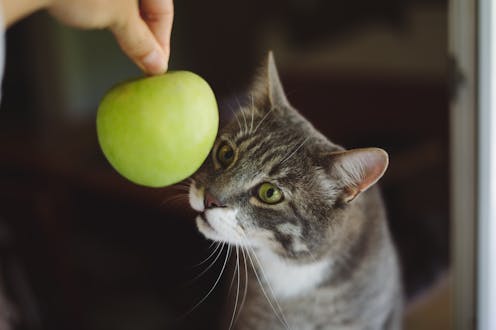
Recently there’s been a trend of people wanting to feed their pets a diet that follows their own dietary preferences – which often means a meat-free diet.
Vets have long maintained that feeding cats a meat-free diet is a big no-no. But a new study published[2] in the open-access journal PLOS ONE challenges this assumption. The researchers write in the abstract:
[…] cats fed vegan diets tended to be healthier than cats fed meat-based diets. This trend was clear and consistent. These results largely concur with previous, similar studies.
So, are vegan diets really more healthy for cats? When we start to pick apart the findings, we see the evidence is far from conclusive.
What the study involved
The authors of the study surveyed 1,369 cat owners, who fed their cats either a vegan or meat-based diet, about their cats’ health. Respondents were mostly female (91%) and represented a range of ages. Most lived in the UK, with others residing in Europe, North America or Oceania.
Most (about 65%) had themselves adopted some form of diet to reduce meat consumption – being either vegan, vegetarian, pescatarian (fish only), or reducing their meat consumption. A small portion (9%) fed their cats a vegan diet in spite of their own dietary choices.
The owners were asked about their cat’s health, including specific health conditions, medication use and how often they saw a vet. They were also asked their opinion on how healthy their cat was, and what they believed their vet would say about their cat’s health.
What did the study find?
Overall, the study found no evidence of detrimental health effects in cats fed a vegan diet. In fact, the authors suggest a vegan diet actually leads to health benefits for cats.
The researchers looked at seven indicators of illness and found non-significant reductions in all of them in cats on a vegan diet. These included reduced veterinary visits, reduced use of medications and fewer instances of owners thinking their cats were in poor health.
Non-significance means the researchers didn’t find strong enough evidence to say there was a meaningful difference between the groups – but it doesn’t mean there was no effect (especially since some of the trends were strong).
They found 15 diseases were more common in cats fed meat, while only seven diseases were more common in cats on a vegan diet. Examples of less common diseases for cats on a vegan diet included dental disease, skin disease and hormonal diseases. But again, the differences between the two diet groups were not statistically significant.
There was only one disease for which a significant statistical difference was observed: cats fed a vegan diet were slightly more likely to have kidney disease.
Putting the findings in context
Compared to similar past studies, this study included a relatively large number of cats. That said, only 127 of these cats were on a vegan diet.
Most of the health benefits reported for this group also did not reach statistical significance, which may be the result of simply not having enough animals in the study.
The authors reported a tendency towards positive effects of vegan diets. This means there was a general trend (which was sometimes strong), but doesn’t necessarily mean there is a very predictable relationship.
As a survey study, it’s not possible to confirm exactly what the cats were eating. Many of them went outside and may have hunted down meaty treats[3] even while on a vegan diet. Some owners also fed their cats treats and essential nutrient supplements, so any beneficial effects (or a lack of harmful effects) may not be due to diet alone.
Another missing piece of information is how long the cats were kept on the diet. We might assume one year – but this isn’t specifically stated. This is important information since deficiency diseases can take time to develop.
Finally, any study assessing animal health will have inherent limitations if it’s designed as a survey. Pet owners usually aren’t medically trained and their “opinions” can be subjective and therefore biased.
Owners who had removed or reduced meat in their own diet were over-represented in the study. These people may already anticipate vegan diets are better for health, and this thinking could influence their responses.
It’s also worth noting the study was funded by ProVeg International – a food awareness organisation that promotes plant-based products. While this might not have impacted the validity of data, it could have influenced the stance taken when reporting on the results.
Read more: One cat, one year, 110 native animals: lock up your pet, it's a killing machine[4]
So, is a vegan diet good for my cat?
Only a handful of studies[5] have looked at health outcomes in cats fed vegan diets. This study adds to a growing body of evidence that, contrary to long-held beliefs, it may be possible for cats to stay healthy on a vegan diet.
However, we’ll need much more research before we can conclude vegan diets are better for cat health than diets containing meat.
Read more: Are vegan pet diets as unhealthy as they're claimed to be? Here's what the evidence says[6]
To obtain really strong evidence on the safety and health benefits of vegan diets, we’d need clinical trials involving a large cat population and direct measurements of health through veterinary exams and lab tests.
One challenge that isn’t really addressed in this paper is how a vegan cat diet should be safely put together. We know plant-based diets typically lack a range of nutrients cats need and which their bodies can’t make. Previous[7] studies[8] have shown cats on vegan diets to have severe deficiency disorders affecting the muscles.
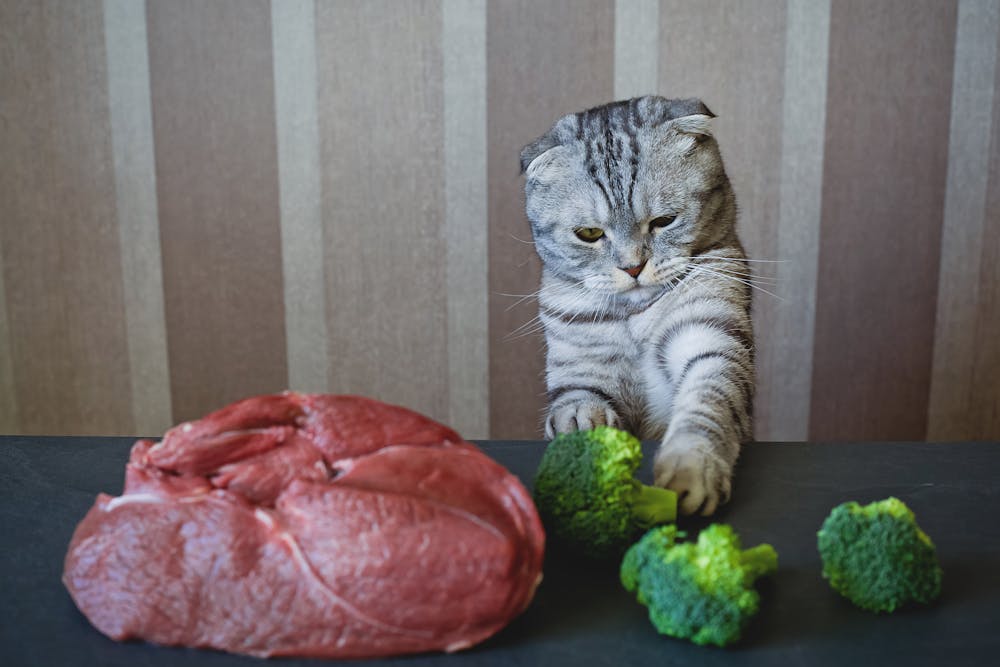
It may be possible for owners to provide these nutrients through supplements, but this would require an understanding of cat nutrition, or some sound advice from an animal health professional. For most of us, achieving a well-balanced diet for our felines in this way will be tricky. And let’s not forget cats are natural hunters and may well like the taste of meat!
It’s probably wise to wait before letting Felix go completely meat-free. If you feel very strongly about not feeding your cat meat, make sure to choose a commercial vegan pet diet and ask your vet about proper nutrient supplementation.
Blind peer review
This article is a fair analysis of the study. It importantly clarifies the study can’t conclude that it is safe or beneficial to feed a solely vegan diet to cats in the long term.
The details of the diets fed to these cats were very vague; cats on a predominately vegan diet may have been receiving non-vegan foods as well, which could have provided essential nutrients, such as taurine, that may have been deficient in fully vegan diets. It also gave no detail about wet versus dry diets, which is another dietary factor that can impact health.
As a feline specialist veterinarian, I know too well how good cats are at hiding signs of illness until they are very advanced; owner-reported health status simply isn’t good enough to determine a cat’s health.
For example, one concern with vegan diets is a lack of taurine, which is essential for cats. Taurine deficiency can cause retinal degeneration and cardiac disease, both of which would not be evident to owners until the conditions were very advanced. Nutrient deficiencies can take a long time to develop and the study didn’t report on long-term feeding of a solely vegan diet.
I also disagree that fewer vet visits and less medication indicate better health. The authors point out that part of the study was performed during COVID lockdowns, which we know had significant effects on veterinary visits and also on some health conditions.
To assess health impacts of vegan diets, much longer-term studies would be needed with more complete health assessments including examination of the back of the eye, blood tests and ultrasound examination.
– Andrea Harvey
Read more: Don't let them out: 15 ways to keep your indoor cat happy[9]
References
- ^ Research Checks (theconversation.com)
- ^ study published (journals.plos.org)
- ^ hunted down meaty treats (theconversation.com)
- ^ One cat, one year, 110 native animals: lock up your pet, it's a killing machine (theconversation.com)
- ^ Only a handful of studies (onlinelibrary.wiley.com)
- ^ Are vegan pet diets as unhealthy as they're claimed to be? Here's what the evidence says (theconversation.com)
- ^ Previous (onlinelibrary.wiley.com)
- ^ studies (onlinelibrary.wiley.com)
- ^ Don't let them out: 15 ways to keep your indoor cat happy (theconversation.com)
Read more https://theconversation.com/is-it-really-safe-to-feed-your-cat-a-vegan-diet-213356