


Introducing our new series on the future of Australian higher education
- Written by: Misha Ketchell, Editor, The Conversation
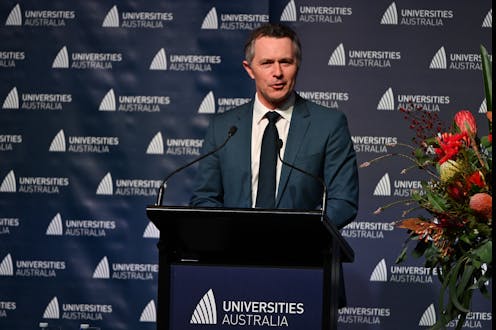
The Australian Universities Accord is a grandly named 12-month review seeking ideas to reform Australia’s higher education system for the next 30 years. Led by a prominent former vice-chancellor, Professor Mary O’Kane, it is one of the most important initiatives announced by Education Minister Jason Clare in his early days in office.
It’s hard not to be a bit cynical about something billed as a “once-in-a-generation opportunity” for a “visionary plan”. But a government that doesn’t try to grapple with the big picture is certain to fail, and higher education is vital to Australia’s future.
Universities are one of Australia’s biggest export industries. They provide skills and career pathways, they are engines of research, innovation, and knowledge. They serve the public good while providing individuals with support to become their best selves. They are also battlegrounds for ideas, culture war targets, and major employers with inevitable flaws.
Working with universities at The Conversation, we have had front row seats to all of this. We are clear-eyed about the problems Australian universities face, but admiring nonetheless, and proud of our small role working with academics to serve the public good by helping to share their knowledge.
For this reason, we think the 49 questions posed by the discussion paper – about everything from student fees to academic integrity and research funding – demand a serious response and we have called out to academic writers to bring us their best ideas for a new series to coincide with the Universities Accord.
Led by our Education Editor Judith Ireland[1], the Universities Accord series will cover questions about the value of traditional university exams, what universities should teach all students and how to improve conditions for casual academics.
Today, we begin our coverage with an article[2] from University of Newcastle history professor Catharine Coleborne. She challenges us to move away from the reductive idea that arts degrees are a directionless option, leading only to “overqualified graduates serving coffee Reality Bites-style”.
Read more: Why arts degrees and other generalist programs are the future of Australian higher education[3]
Over coming weeks, we’ll continue to address questions posed by the accord, and we’re open to ideas as the series progresses, so academic authors please keep pitching via the pitch form[4] on our site.
Ultimately, anyone who cares about Australia’s future should care about the vital role played by universities. Please follow our coverage over coming weeks and months. Comments will be open and moderated on all the articles in the series, so you can be part of an important discussion about the role of higher education in our shared future.
References
- ^ Judith Ireland (theconversation.com)
- ^ article (theconversation.com)
- ^ Why arts degrees and other generalist programs are the future of Australian higher education (theconversation.com)
- ^ pitch form (theconversation.com)










