


Government to legislate for multi-employer bargaining, strengthening push for wage increases
- Written by: Michelle Grattan, Professorial Fellow, University of Canberra
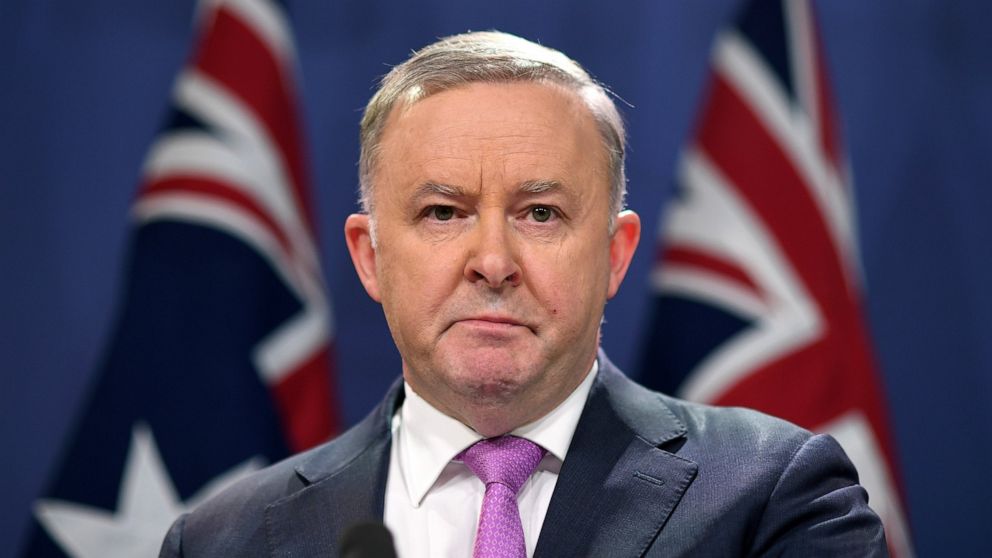
The government will bring in early legislation for multi-employer bargaining and a range of other changes to the industrial relations system.
Workplace Relations Minister Tony Burke announced the reforms the government will make immediately, at the end of the jobs summit’s Thursday sessions on industrial relations
They include making the Better Off Overall Test (BOOT) simple, flexible and fair.
Burke said consultations on the various measures would begin next week. He plans to introduce the legislation this year.
The government is taking advantage of the summit’s momentum to launch some major changes to the wage-fixing system, arguing that it looks for “consensus” and co-operation rather than unanimity.
Multi-employer bargaining, which is permitted in only very limited circumstances currently, has been a key ACTU demand in the run-up to the summit. Burke last week indicated the government was sympathetic.
Read more: Word from The Hill: Albanese announces more than $1 billion in federal-state TAFE funding[1]
The government has not yet indicated whether it will go to allowing full sectoral bargaining.
Multi-employer bargaining is opposed by large parts of the business community, though it has won conditional support from a section of small business.
The employers are especially concerned it could open the way to industrial action across a sector, such as child care, although it is unclear whether the detail the government is contemplating will allow this.
Innes Willox, chief executive of the Ai Group, told the summit: “There is real concern that such a proposal will risk exposing our community to crippling industrial action across crucial sectors of our economy”.
ACTU secretary Sally McManus said the union movement wanted to see “sustainable pay increases so that working people’s pay keeps up with the cost of living and productivity increases”.
Read more: Treasurer Chalmers on boosting migration and a 'resilience' budget[2]
This meant “we have to modernise the collective bargaining system. We need a system that is simple, fair, accessible, does the job of getting wages moving.”
The government has given ground on being willing to make changes to BOOT, which Labor resisted in opposition. The BOOT provides no worker is made worse off when an enterprise agreement is negotiated. The Fair Work Commission has to be satisfied the employee would be better off overall if the agreement applied than if the relevant award applied.
Burke, however, did not spell out how he envisaged the test being altered.
Among other measures Burke said the government would change the Fair Work Act to
-
Provide better access to flexible working arrangements and unpaid parental leave so families can share work and care responsibilities
-
Increase protection for workers against all forms of discrimination and harassment
-
Give the Fair Work Commission the capacity to actively help workers and businesses to reach mutually-beneficial agreements, especially new entrants and small and medium businesses.
References
- ^ Word from The Hill: Albanese announces more than $1 billion in federal-state TAFE funding (theconversation.com)
- ^ Treasurer Chalmers on boosting migration and a 'resilience' budget (theconversation.com)










