The Role of Anchor Bolts in Structural Integrity for Australian Infrastructure
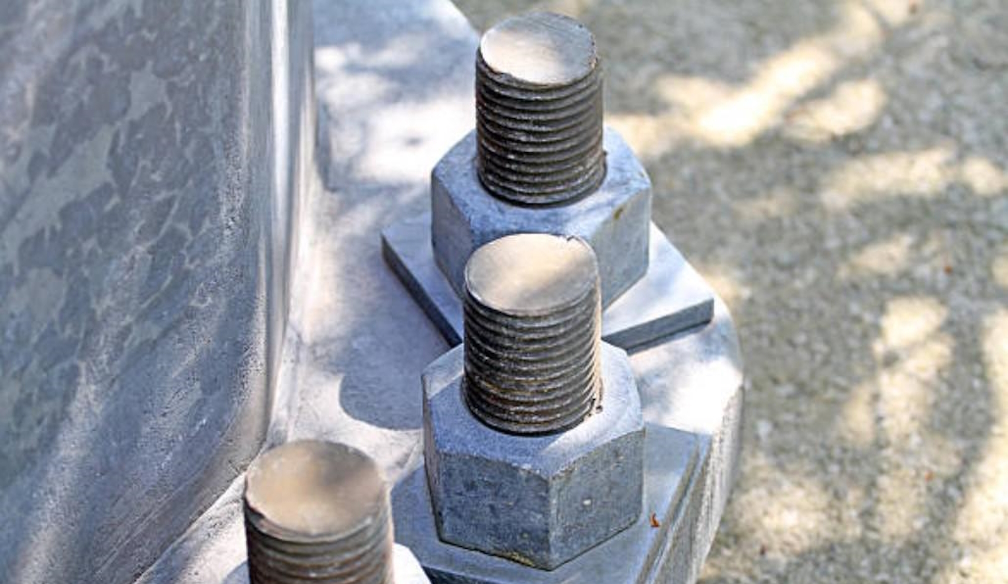
Anchor bolts are the necessity for the stability of big structures, bridges, and others. These anchors constitute a huge part of the infrastructure of Australia. They are applied to bind the structures with the concrete foundation by dispersing and taking the weight. Thus, they protect the concrete foundation from environmental factors. Weather conditions in Australia, including seismic areas and high-pressure wind, demand a special type of anchor bolt so that the structure can provide strength for long time. The towns and villages will remain intact since the optimum application of anchor bolts designed for every requirement of each project. With the dependability of long-term reliability of anchor bolts, the engineers and the construction technicians are supposed to be aware of their applications as well as the installation method.
Anchor Bolt Solutions for High-Wind Areas in Australia
Anchor bolts are a very integral part of the structures within the windy regions of Australia, especially along the coastline where cyclones frequently strike. The anchor bolts Australia provides the structure with the required strength to withstand the forces imposed by the wind and therefore retain structural stability. Most engineers opt for heavy-duty expansion or wedge anchor bolts since they have high load-bearing capacities for structures that need to be up to high wind requirements. Because bolts may fail in severe weather if they are not installed correctly, installation practices are extremely important. Because seawater causes metals to rust in coastal areas, bolts made of corrosion-resistant materials like stainless steel or galvanized equivalents are required. Anchoring procedures assist ensure that structures and buildings remain in place even in the windiest areas of Australia.
Customizing Anchor Bolts for Heavy-Duty Applications
Heavy-duty application anchor bolts should be customized to particular load-bearing requirements, and indeed, even more demanding industries like mining, oil, and gas usually do demand customization. One fundamental action toward that end would be in the choice of a material for the bolts. Strength-steel types are mainly preferred because they are stronger; in places with more pressure on the anchors, that is deemed suitable. For high-strength applications, bolts used have to be tested with intense evaluations, including tensile and shear strength testing. The bolts have to be engineered for dynamic loading in structural applications where loads are being transferred and shifted, along with vibrational effects.
Traction is also a concern due to the fact that finer threaded bolts will provide a greater grip when tensional forces are involved. Engineers should collaborate with suppliers that produce under Australian Standards to guarantee anchor bolts Australia meet local safety standards. High-quality, well-manufactured, specialized anchor bolts comply with stringent engineering standards and thus extend the durability and safety of infrastructure.
Australian Supply Chain Challenges for Anchor Bolts
One of the major supply chain challenges in Australia is anchor bolts because of its dependency on imported resources. In general, any kind of global supply interruption would cost more and prolong the construction time. An anchor bolts Australia uses much material, especially high-strength steel which is most probably an imported material. Therefore, it becomes a challenging task for local suppliers to complete the project within deadlines. Another challenge is the distant location of Australia because shipping internationally is expensive and time-consuming.
The dependence on imports is lower because some types of anchors bolts that specific Australian suppliers have recently started localizing their manufacturing processes for. Not only does local production increase availability but also enables faster adaptation to any specific building requirements. Quality bolts will ensure continuous flow since this country construction will have growth, and indeed the various supply bottlenecks which exist ought to be surpassed.