Labor’s PALM changes will push grocery prices up

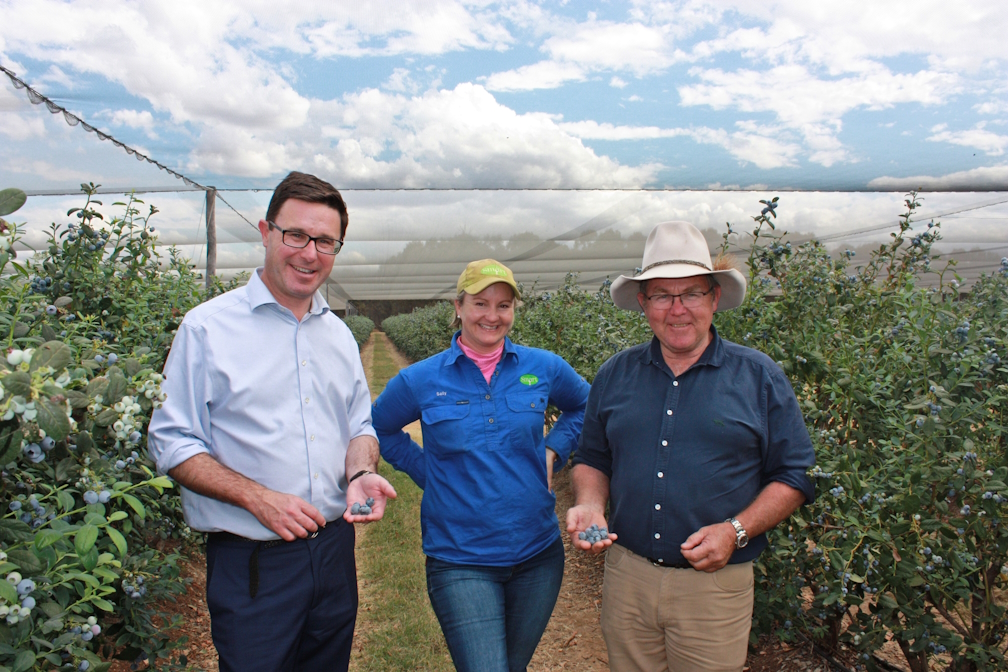
Leader of The Nationals and Shadow Agriculture Minister David Littleproud said food prices were set to climb and cost-of-living pressures would get even harder for Australian families, with Labor’s anti-farming changes to the Pacific Australia Labour Mobility (PALM) Scheme.
Under the new rules from this month, farmers will be forced to offer a minimum of 30 hours per week, over four weeks, to workers from nine Pacific Island countries and Timor-Leste. They will then be forced to offer 30 hours per week, every week, from July 1, 2024.
This is despite agriculture work being seasonal and weather dependent and short-term workers already receiving an average of 42 hours per week, making the added bureaucracy futile.
“The Nationals are deeply concerned that food prices will rise even further in 2024, at a time when families can least afford it,” Mr Littleproud said.
Smart Berries farm manager Sally Jolly said growers are expressing growing apprehension.
“The previously indispensable connection that served as a lifeline for both growers and employees has transformed into a discord between the government and the essential task of providing affordable food on our tables,” Mrs Jolly said.
“The PALM Scheme ought to be employed and overseen to its maximum capacity to guarantee that all involved parties secure the benefits of this valuable initiative. Under Labor’s changes, it will be quite the opposite.”
Director of Quebec Citrus Australia Ainsley Emmerton said her biggest concern was the minimum 30-hour rule.
“Horticulture needs flexibility, as we are working with unpredictable weather and market conditions,” she said.
Industry predicts there will be a 20 per cent decrease in worker numbers from July 1, on top of workers in the horticulture sector already reducing by 7.6 per cent from June to October 2023, when PALM changes were introduced.
Approved Employers of Australia executive officer Steve Burdette said the 30-hour rule would be too difficult.
“Every Australian understands seasonal availability in fruit and vegetables at the supermarket,” Mr Burdette said.
“Farmers need four weeks averaging to manage seasonality – if we go to 30 hours every week, farmers will walk away. Contracts are being cancelled already. People now want to reduce their reliance on PALM because the pendulum has swung too far.”
Labor has also delayed cracking down on exploitation through its National Labor Licencing Scheme.
Mr Littleproud said Labor’s changes were clearly unworkable.
“Labor is hindering agriculture by taking away the tools farmers need to grow the nation’s food and fibre. It shows Labor is completely out of touch with the industry.
“Labor does not understand the agriculture sector, while continuing to ignore the pleas from other Association of Southeast Asian Nations (ASEAN) to send workers to Australia under the Agriculture Visa, which Labor scrapped.”
Australia’s top peak food industry bodies previously warned that agriculture required an additional 172,000 workers, yet only around 16,000 PALM workers have come in since Labor got into office.
“The PALM Scheme has the potential of just 42,000 workers and is now even more unattractive for farmers to sign up to. The result will be farmers will choose to plant less and that means families will pay more.”