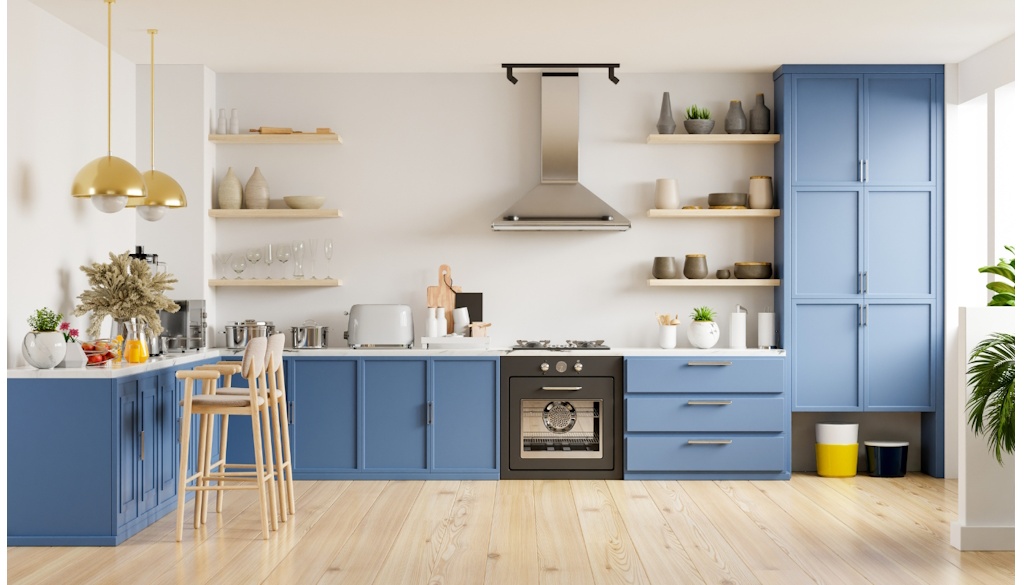
Crafting Your Dream Home: Key Considerations When Selecting Home Builders
- Written by: The Times

Embarking on constructing your dream home is a thrilling adventure filled with pivotal decisions at every stage. Among the most pivotal is the selection of the right home builders, like tiny home central, for your project. The process demands careful consideration and a keen eye for details. In this guide, you will explore essential factors to ensure you make a wise choice and bring your dream house to life.
- Define Your Vision Clearly
What do you want your dream home to look like? What features are non-negotiable, and what are your preferences? Having a precise vision will guide you in choosing builders who align with your goals and can turn your vision into reality. Consider aspects such as architectural style, functionality, and sustainability, ensuring your selected builders possess the expertise to bring every detail of your vision to life.
- Evaluate Experience and Expertise
Experience speaks volumes in the realm of construction. Seek out builders with a demonstrated history of successfully finishing projects comparable to yours. Assess their expertise in handling the type of home you envision- a spacious family residence or a cosy tiny house. A seasoned builder brings valuable insights and skills, ensuring a smoother construction process. Reviewing their portfolio and seeking client feedback further solidifies your confidence in their ability to bring your unique vision to fruition.
- Check References and Past Work
A reliable indicator of a builder's competence is their past work. Request references and take the time to visit places they have previously constructed. This firsthand look allows you to assess the quality of craftsmanship and attention to detail. Feel free to request client testimonials or reviews, as they offer valuable insights into the builder's communication, reliability, and overall performance. Examining completed projects ensures that your chosen builder consistently delivers the excellence you seek for your dream.
- Verify Licensing and Insurance
Ensure that the home constructors you're considering are properly licensed and insured. Licensing indicates compliance with industry standards and the possession of essential qualifications for the job. Insurance, on the other hand, protects you and the constructors in case of accidents or unforeseen issues during construction. It's a fundamental aspect that shouldn't be overlooked.
- Transparent Communication is Key
The foundation of any successful project lies in effective communication. During the selection process, pay attention to how constructors communicate. Are they transparent about costs, timelines, and potential challenges? A professional who values clear communication fosters a positive working relationship and helps avoid misunderstandings that could derail your project.
- Budget Considerations: More Than Just Numbers
While cost is a significant factor, looking beyond the numbers is crucial. Understand the estimated breakdown and ensure that all aspects of the project are covered. A transparent contractor will provide a detailed quote, allowing you to make informed decisions. Keep in mind that quality often comes with a price, and choosing a builder solely based on the lowest bid may compromise the overall outcome.
- Timeline Commitment
Time is of the essence in any construction project. Inquire about the constructor's timeline and their ability to meet deadlines. An achievable and well-organised timetable guarantees the timely completion of your dream home, minimising unnecessary delays. Discuss potential challenges and how the builder plans to address them to keep the project on track.
Conclusion
Selecting the right home builders like tiny home central for your project is pivotal in turning your dream home into a reality. Defining your vision allows you to make a decision that is well-informed, evaluate experience, check references, verify credentials, emphasise transparent communication, consider budget implications, and assess timeline commitments. Remember, the foundation of your dream home lies in the hands of the builders you choose, so choose wisely.