At chocolate time, we've discovered what the brands that score best on child labour and the environment and have in common
- Written by: John Dumay, Professor - Department of Accounting and Corporate Governance, Macquarie University

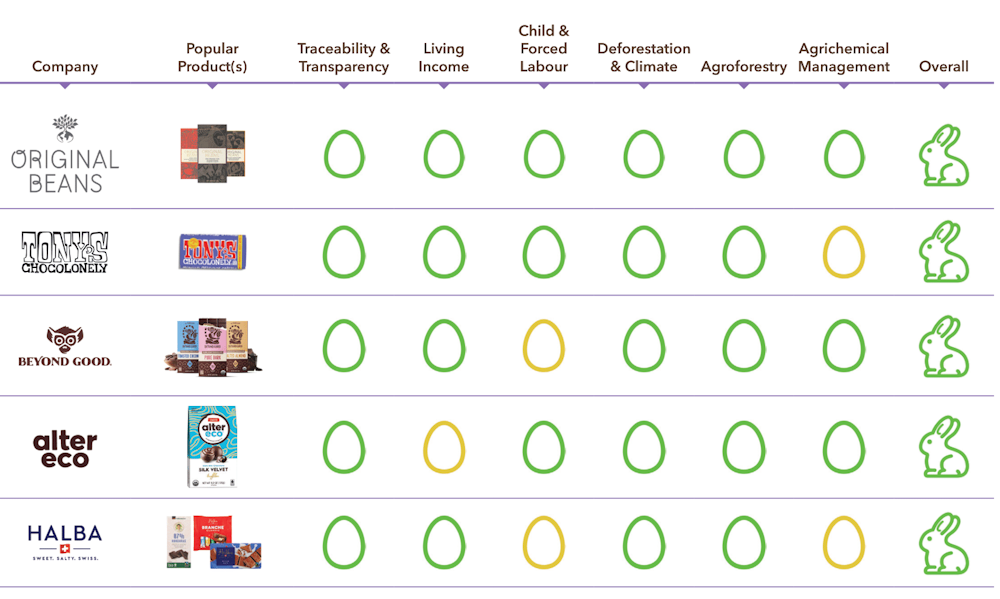
What distinguishes a company that makes “good” chocolate (chocolate untainted by child labour, modern slavery, deforestation and the overuse of agrichemicals) from one that merely makes chocolate?
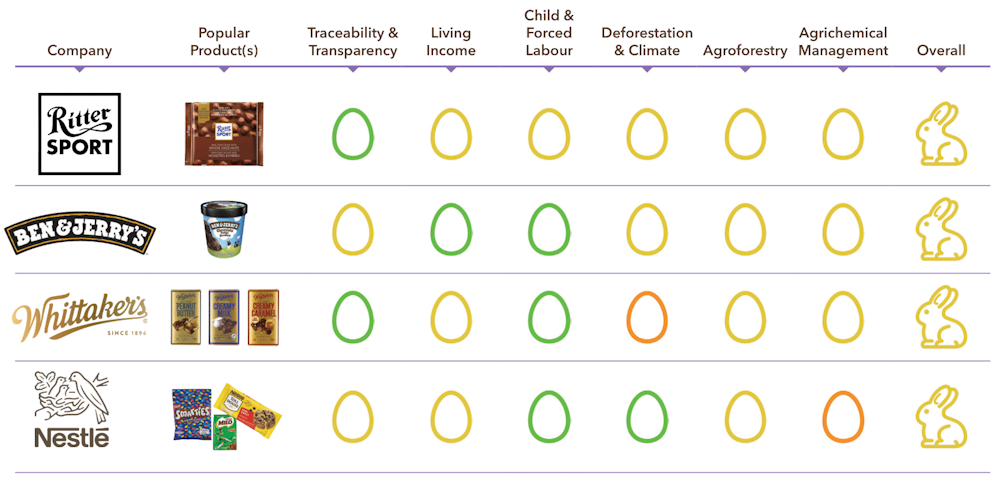
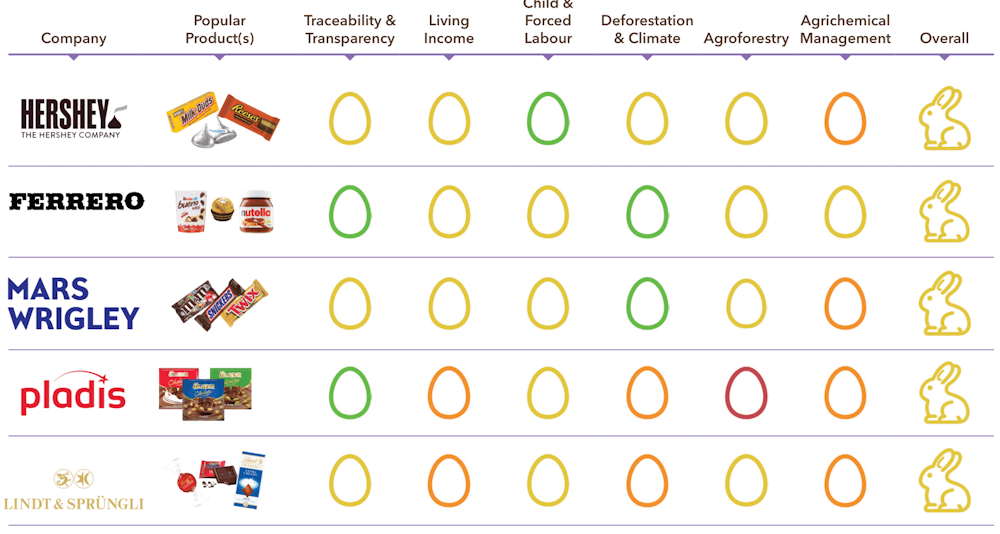
Our annual Chocolate Scorecard[1] investigation, which is a collaboration between Be Slavery Free[2], Macquarie University[3], The University of Wollongong[4] and the Open University[5], suggests it might be a mission that goes beyond making food and profit.
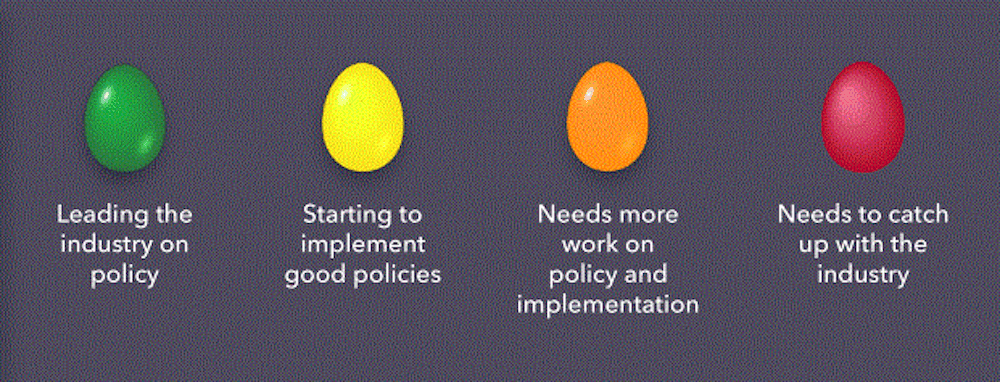
‘Good eggs’ trumpet ambition

 Cadbury founder John Cadbury.
Cadbury[20]
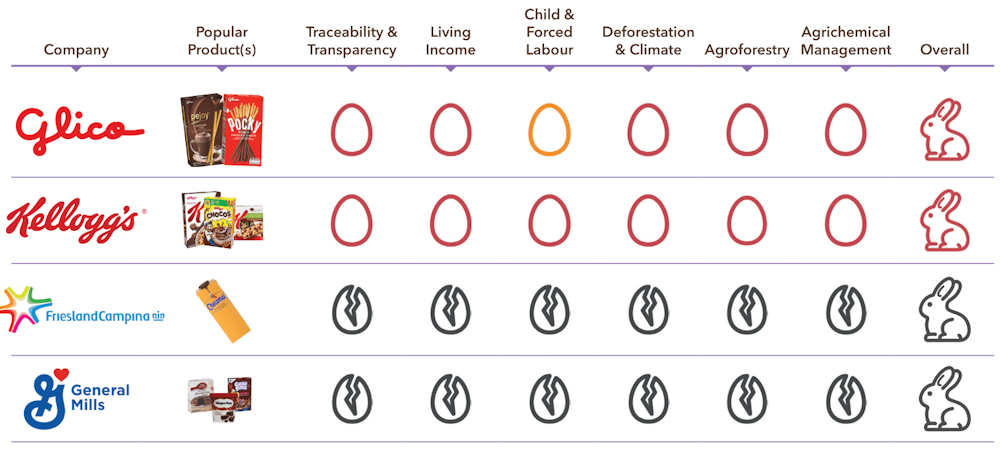
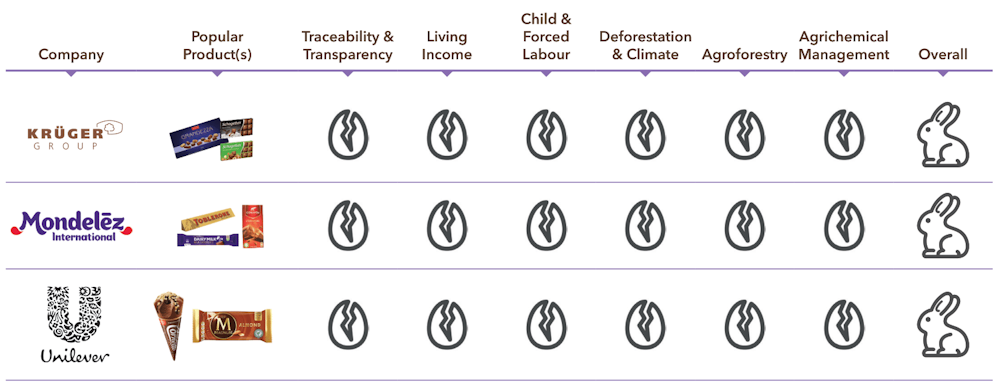
In 2022, Britain’s Channel 4[21] broadcast undercover footage from Ghana purporting to show children as young as 10 barefoot, wearing shorts and T-shirts, using machetes to harvest cocoa pods and sharpened sticks to extract beans that were eventually used in Cadbury chocolate.
Mondelēz said it was deeply concerned[22]. It explicitly prohibited child labour and had been making significant efforts to improve the protection of children in the communities where it sourced cocoa, including Ghana.
If such efforts are afoot, Chocolate Scorecard[23] would like to hear about them.
‘Rotten eggs’ can improve
Cadbury founder John Cadbury.
Cadbury[20]
In 2022, Britain’s Channel 4[21] broadcast undercover footage from Ghana purporting to show children as young as 10 barefoot, wearing shorts and T-shirts, using machetes to harvest cocoa pods and sharpened sticks to extract beans that were eventually used in Cadbury chocolate.
Mondelēz said it was deeply concerned[22]. It explicitly prohibited child labour and had been making significant efforts to improve the protection of children in the communities where it sourced cocoa, including Ghana.
If such efforts are afoot, Chocolate Scorecard[23] would like to hear about them.
‘Rotten eggs’ can improve
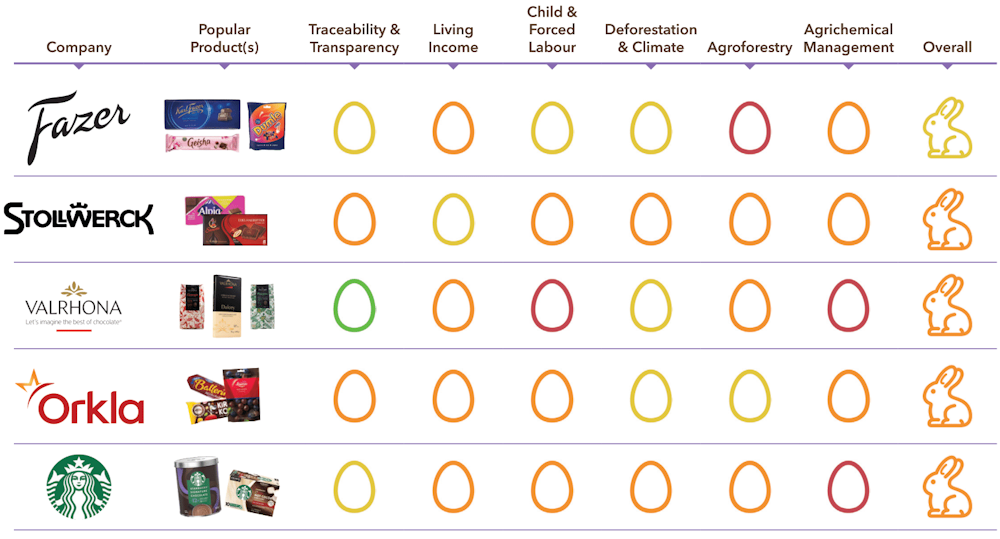
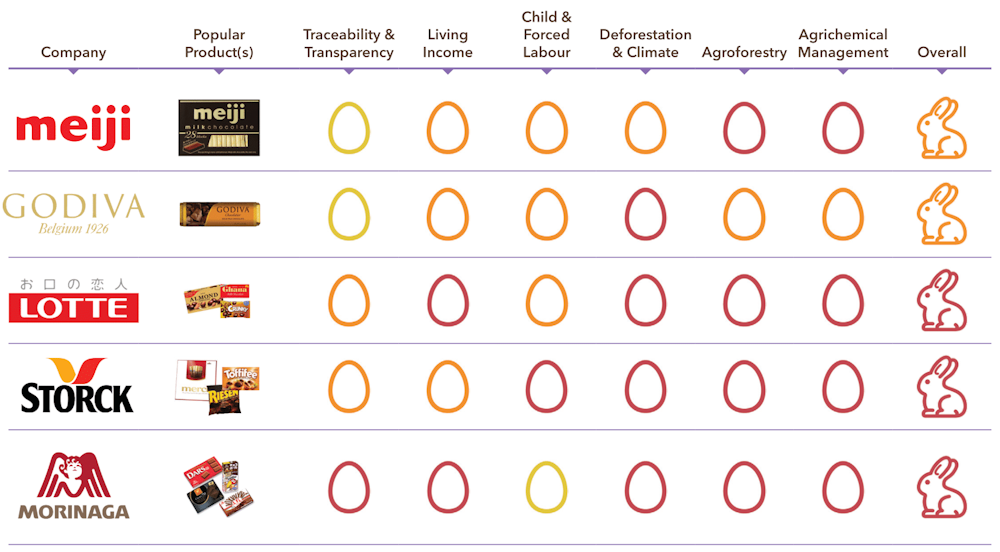
 Among those companies that did respond, there are signs of improvement. In 2020, Godiva[24] received a “rotten egg” award for “failing to take responsibility for the conditions with which its chocolates are made despite making huge profits off its chocolate”.
Godvia[25] now says it is dedicated to “a sustainable and thriving cocoa industry where farmers prosper, communities are empowered, human rights are respected, and the environment is conserved”.
It has earned an “orange” rating, demonstrating that progress is achievable.
Similarly, Sücden[26] - a previous red “rotten egg” - improved to yellow in this year’s scorecard.
Nestlé’s inclusion in this years top ten gives us hope.
It now says its purpose[27] is to “unlock the power of food to enhance quality of life for everyone, today and for generations to come”.
Companies require profits to survive. But if profit and making chocolate are their only drivers, they are likely to hurt people and the environment while doing it.
This Easter it is possible to support firms that are making profits without hurting the planet or its inhabitants. Our scorecard finds there are more and more of them.
Among those companies that did respond, there are signs of improvement. In 2020, Godiva[24] received a “rotten egg” award for “failing to take responsibility for the conditions with which its chocolates are made despite making huge profits off its chocolate”.
Godvia[25] now says it is dedicated to “a sustainable and thriving cocoa industry where farmers prosper, communities are empowered, human rights are respected, and the environment is conserved”.
It has earned an “orange” rating, demonstrating that progress is achievable.
Similarly, Sücden[26] - a previous red “rotten egg” - improved to yellow in this year’s scorecard.
Nestlé’s inclusion in this years top ten gives us hope.
It now says its purpose[27] is to “unlock the power of food to enhance quality of life for everyone, today and for generations to come”.
Companies require profits to survive. But if profit and making chocolate are their only drivers, they are likely to hurt people and the environment while doing it.
This Easter it is possible to support firms that are making profits without hurting the planet or its inhabitants. Our scorecard finds there are more and more of them.
 Read more:
Want to buy guilt-free Easter chocolate? Pick from our list of 'good eggs' that score best for the environment and child labour[28]
References^ Chocolate Scorecard (www.chocolatescorecard.com)^ Be Slavery Free (www.beslaveryfree.com)^ Macquarie University (www.mq.edu.au)^ The University of Wollongong (www.uow.edu.au)^ Open University (business-school.open.ac.uk)^ Orignal Beans (originalbeans.com)^ Tony’s Chocolonely (tonyschocolonely.com)^ Beyond Good (beyondgood.com)^ Alter Eco (www.alterecofoods.com)^ HALBA (www.halba.ch)^ regenerate what you consume (originalbeans.com)^ heal the future, don’t steal it (originalbeans.com)^ mission (tonyschocolonely.com)^ Unilever (www.unilever.com)^ Mondēlez (www.mondelezinternational.com)^ Mondēlez (www.mondelezinternational.com)^ driven by a passion for social reform (news.bbc.co.uk)^ Royal Society for the Prevention of Cruelty to Animals (www.quakersintheworld.org)^ model village (www.cadbury.com.au)^ Cadbury (www.cadbury.com.au)^ Channel 4 (www.channel4.com)^ deeply concerned (www.theguardian.com)^ Chocolate Scorecard (www.chocolatescorecard.com)^ Godiva (bartalks.net)^ Godvia (godiva.com.au)^ Sücden (www.sucden.com)^ purpose (www.nestle.com)^ Want to buy guilt-free Easter chocolate? Pick from our list of 'good eggs' that score best for the environment and child labour (theconversation.com)Authors: John Dumay, Professor - Department of Accounting and Corporate Governance, Macquarie University
Read more:
Want to buy guilt-free Easter chocolate? Pick from our list of 'good eggs' that score best for the environment and child labour[28]
References^ Chocolate Scorecard (www.chocolatescorecard.com)^ Be Slavery Free (www.beslaveryfree.com)^ Macquarie University (www.mq.edu.au)^ The University of Wollongong (www.uow.edu.au)^ Open University (business-school.open.ac.uk)^ Orignal Beans (originalbeans.com)^ Tony’s Chocolonely (tonyschocolonely.com)^ Beyond Good (beyondgood.com)^ Alter Eco (www.alterecofoods.com)^ HALBA (www.halba.ch)^ regenerate what you consume (originalbeans.com)^ heal the future, don’t steal it (originalbeans.com)^ mission (tonyschocolonely.com)^ Unilever (www.unilever.com)^ Mondēlez (www.mondelezinternational.com)^ Mondēlez (www.mondelezinternational.com)^ driven by a passion for social reform (news.bbc.co.uk)^ Royal Society for the Prevention of Cruelty to Animals (www.quakersintheworld.org)^ model village (www.cadbury.com.au)^ Cadbury (www.cadbury.com.au)^ Channel 4 (www.channel4.com)^ deeply concerned (www.theguardian.com)^ Chocolate Scorecard (www.chocolatescorecard.com)^ Godiva (bartalks.net)^ Godvia (godiva.com.au)^ Sücden (www.sucden.com)^ purpose (www.nestle.com)^ Want to buy guilt-free Easter chocolate? Pick from our list of 'good eggs' that score best for the environment and child labour (theconversation.com)Authors: John Dumay, Professor - Department of Accounting and Corporate Governance, Macquarie University