Workplaces under pressure to introduce compassionate leave for pets
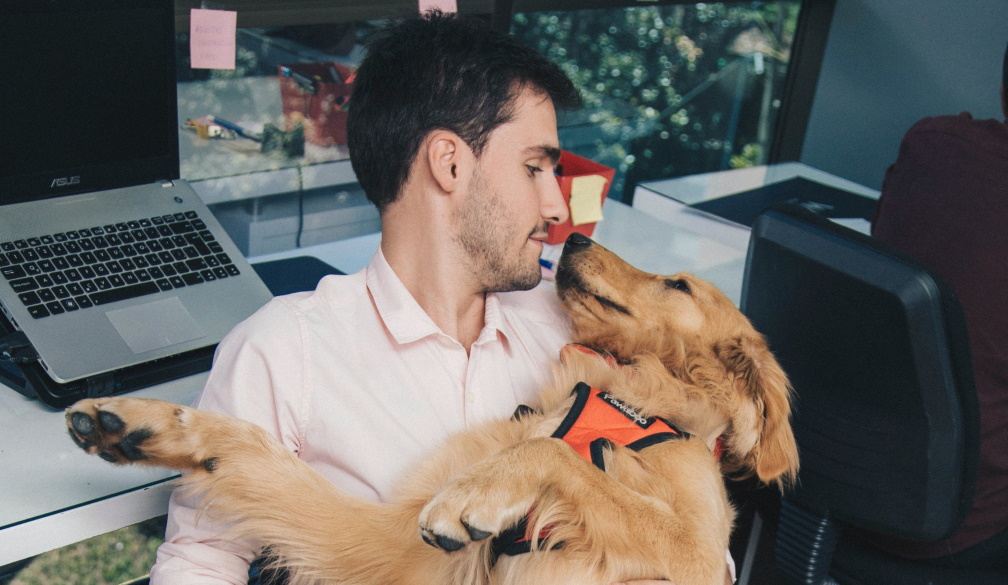
Did you know that there are more pets than humans in Australia? There are almost 29 million pets in Australia today - more than the estimated human population of 25 million.
From cats and dogs to fishes and lizards, almost two-thirds of the entire country own a pet.
In light of growing pet ownership in Australia, the value we place on our pets is also increasing, with new research from not-for-profit organisation, Waldo’s Friends revealing that nearly half (45%) of Aussie pet owners consider their pet to be their child.
Despite the importance of our pets, there is still a gap in the workforce when it comes to recognising how important pets are to employees.
Research reveals that the majority (83%) of Aussies feel their workplaces would not allow them to take time off if their pets were unwell or had passed away.
Currently, compassionate leave only applies to immediate family members such as grandparents who have passed away or a child who is unwell. But what happens when a pet is in that situation?
Unfortunately for pet owners, the definition of immediate family member or a member of the household does not include pets.
The majority (81%) of pet owners want greater flexibility in the workplace when it comes to caring for their pets and they believe that businesses should have policies or schemes in place to reflect that.
Almost one third (31%) of pet parents believe that a lack of pet-friendly workplace policies is outdated, archaic and needs to be changed.
The research highlights the need for workplaces to reconsider their compassionate leave policies to include their employees’ nearest and dearest furry family members. It could even have a positive impact on employee satisfaction, retention and attraction.
Some workplaces in Australia are jumping ahead of the trend and have started introducing leave policies that would have been unheard of a few years ago.
Catering to the boom in pet ownership, there are now workplace policies in place to better support employees in cases of adoption, bereavement or veterinary support for their pets.
Brisbane pet owner, Chelsea experienced this first-hand when Darcy, their childhood dog of 13 years passed away. He was a big part of the family and when he passed away, Chelsea’s workplace allowed them to have a day off to be with Darcy for his last day.
Chelsea and their family felt supported in their grief as they had the opportunity to spend their last few moments together – a memory that many employees are missing out on.
Instead of diminishing our pets, Waldo’s Friends is calling for employers to consider ways to support their employees through pet-friendly policies and recognise the role that pets play in their employees’ lives.
About Waldo’s Friends
Founded in 2018, Waldo's Friends is a not-for-profit organisation designed to drive awareness about the animal rescue and adoption ecosystem. They currently work toward raising awareness and education of animal foster care and adoption and are soon releasing a pet finder engine that will help local animal shelters find forever homes for their rescues. https://waldosfriends.org/
About the Research & Citations
The research by Waldo's Friends was carried out on a national representative sample of 1,008 Australians aged 18 and over in October 2022. Methodology: The data sample was weighted against ABS data for age, gender and location using an online survey that is independently conducted and verified by PureProfile.