The 2025 budget has few savings and surprises but it also ignores climate change
- Written by: Stephen Bartos, Professor of Economics, University of Canberra
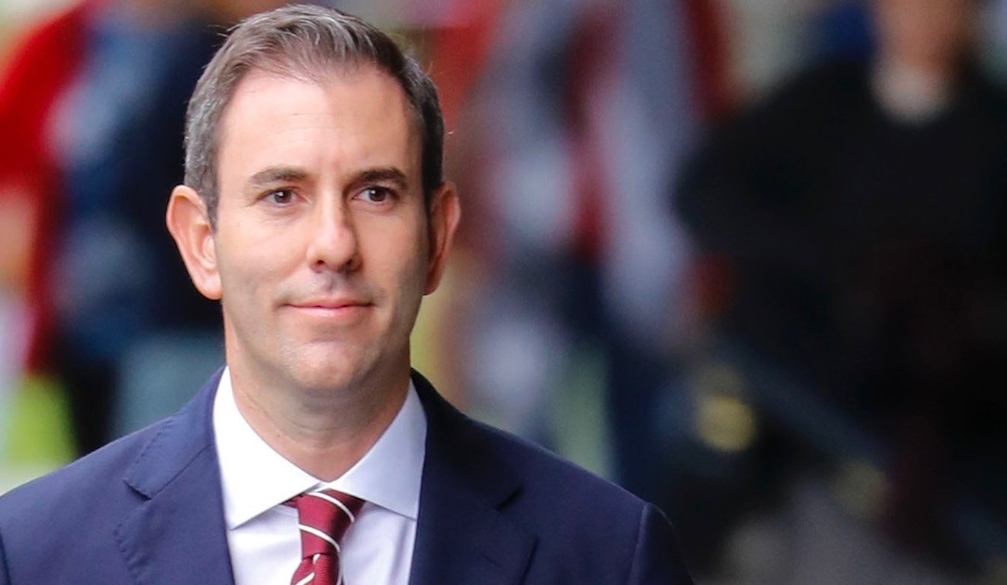
By the standards of pre-election budgets, this one is surprisingly modest. There are only a handful of new revenue and spending initiatives. The Budget Paper 2 book, which contains new measures, is a slim document.
In part, this is because many of the most significant new spending proposals have been announced already – support for more bulk billing, the Future Made in Australia program, funding for schools and pre-schools and the Housing Australia Future Fund.
It can be hard to discern the new initiatives from the old. For example, the budget commits the government to support wage growth by “funding wage increases for aged care workers and early childhood educators” and “advocating for increases to award wages”. It will also ban non-compete clauses (contract provisions that hinder workers from moving between employers) for low- and middle-income workers.
These should in theory significantly shift wages upwards. Yet the economic forecast for the wage price index barely moves – from 4.1% in 2023-24 to 3% in 2024-25 and 3.25% in 2025-26. That is because the forecasts had already built in assumptions on the impact of things like aged care and childcare wage rises – they aren’t new.
The non-compete reform is a new initiative and over the longer term has the potential to improve wages as people move jobs. More importantly, it will improve flexibility in the labour market and improve productivity.
Overall, the deficits are forecast to continue for the foreseeable future.
Some more tax cuts on the way
The one surprising element of the budget is tax cuts. In essence, they return some bracket creep to low- and middle-income earners for a couple of years, after which revenue estimates return to trend. Bracket creep refers to increases in tax revenues as taxpayers move into higher tax brackets.
It is one of the reasons why governments have resisted calls to index the income tax brackets to inflation. Giving back bracket creep from time to time in the form of a tax cut, especially when an election looms, is more politically attractive.
There were few savings initiatives. The main one was the old chestnut of more funding to the Australian Taxation Office for compliance.
The Taxation Office receives an additional A$999 million over four years to combat tax avoidance including non-compliance, under reporting of income and illicit tobacco. This is expected to recoup $3.2 billion over five years, while increasing payments by $1.4 billion – some of the additional tax collected will go to GST payments to the states. So in net terms therefore this is also a modest saving.
One thing to look for in every budget is the provision for “decisions taken but not yet announced”. This refers to money put aside in the budget for future announcements[1] – such as election promises.
It is not clear what the government might have planned. Revenue drops in 2025-26, but it climbs back up again in the following two years. Spending decisions include $323 million next year, which is relatively small change in the overall budget.
For transparency, we should not have any undisclosed decisions but at least the ones in this budget are far from extravagant.
Public service numbers
On staffing in the public service, there has been a large increase since the government took office. There will be some 33,000 more public servants – the majority outside Canberra – in 2025-26 than in 2022-23. However, the rate of increase is slowing. Not all agencies have had staff increases in this budget.
Nevertheless, the government has devoted ten pages to arguments for investing in the public service, and why the public service is a valuable resource. This is probably to emphasise one of the few points of difference between it and the opposition.
The defence budget saw almost no change. The treasurer was asked in his budget lockup press conference why this was, given the uncertain geopolitical environment documented in the budget papers.
Chalmers agreed “the world is a dangerous place right now” but pointed to increases in defence spending in previous budgets and argued these had positioned Australia to respond.
One missing element of the budget is new spending to combat climate change. The threat of climate change to the budget estimates has grown significantly. This is acknowledged briefly with a half page in the budget’s “statement of risks” – “climate change is expected to have a significant impact on the budget”.
However, that impact is not quantified – possibly because of “significant uncertainty”. Yes, there is uncertainty.
But the same applies to other parts of the budget, including the international economy, which is discussed in much more depth. The climate change department is one of a handful that lose staff in this budget. It may take more severe disasters before it regains prominence in the budget papers.
References
- ^ put aside in the budget for future announcements (theconversation.com)