Chalmers claims ‘sustained progress’ against inflation, as government crosses its fingers for rate cut
- Written by: Michelle Grattan, Professorial Fellow, University of Canberra
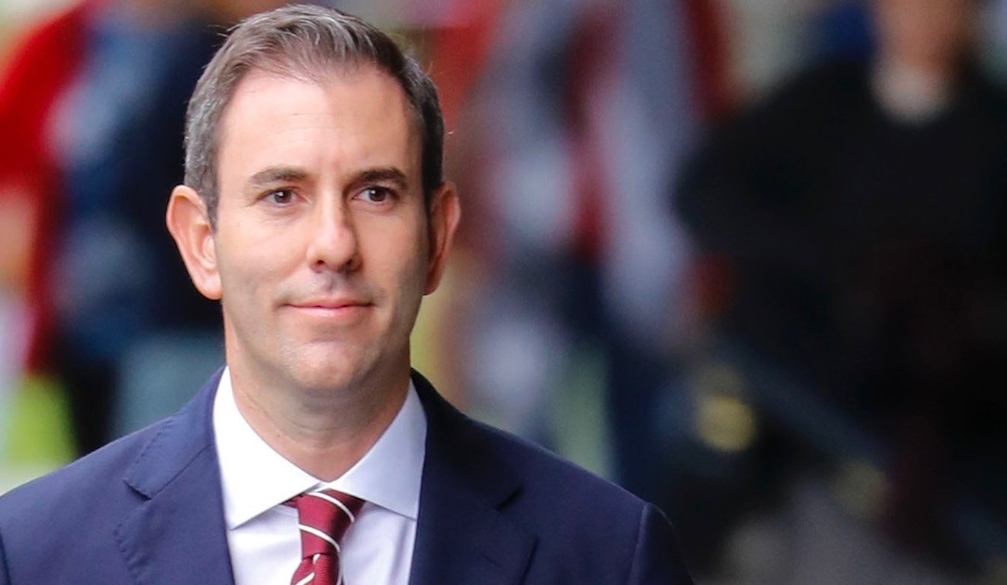
After Wednesday’s encouraging inflation numbers, the Albanese government – and the financial markets – would be shocked if the Reserve Bank doesn’t cut interest rates in February.
Having said that, with interest rates there are no guarantees, especially in a volatile world.
Underlying inflation was 3.2% through the year to the December quarter, with headline inflation 2.4%. The numbers were better than earlier forecasts by either the Reserve Bank or Treasury. The trimmed mean (the measure the bank uses for underlying inflation) for the last six months was 2.7%.
After the inflation numbers came out the markets boosted their expectations of a cut to more than 75%.
Treasurer Jim Chalmers quickly pointed out: “On every measure, we’ve made substantial and sustained progress in the fight against inflation.”
“Australia’s headline inflation is now lower than most major advanced economies including the United States, United Kingdom and Germany.”
The fight against inflation was not over, Chalmers said, but he insisted “the worst of the inflation challenge is well and truly behind us”.
It was a message for the public – and the bank. Not, of course, that Chalmers was giving any “free advice to the independent Reserve Bank”. Certainly not.
There is now considerable pressure on Reserve Bank Governor Michele Bullock. Bullock is conservative, and very much her own woman. Equally, she is also aware of the immense pressure that high rates have been putting on many households.
The inflation outcome was the last major piece of data the bank has been waiting for. If the bank at its February 17–18 meeting – the last before its new monetary policy board begins operating – decided to sit on its hands, that would be against the odds as they stand now.
Speaking before the numbers came out, AMP chief economist Shane Oliver said: “If the trimmed mean inflation rate cools in line with our expectations [3.2% year on year] it will be very hard for the RBA not to cut rates at its February meeting”.
What a February rate fall would mean for election timing is unclear. The practical choices are between April 12 or one of three Saturdays in early May. While some observers believe this increases the chances of an April 12 poll, Prime Minister Anthony Albanese will have a number of factors in mind. These include whether he wants to use a March 25 budget as a launch pad, which would put the election in May.
Finance Minister Katy Gallagher flagged on Wednesday more cost-of-living relief. “As we are putting our budget together – it’s due on the 25th of March – obviously we are mindful of the economic conditions, how people are feeling out and about and whether there are any further responsible decisions we can take that can assist households as we navigate this time”.
Chalmers cautioned against the recent speculation that if there is a March budget it could contain a surplus. The treasurer also made it clear that while he is working towards a March budget, whether there will be one is in the hands of the prime minister.