Australia and America Are Still Feeling the Pain of High Oil Prices Due to the Iran War
- Written by: The Times
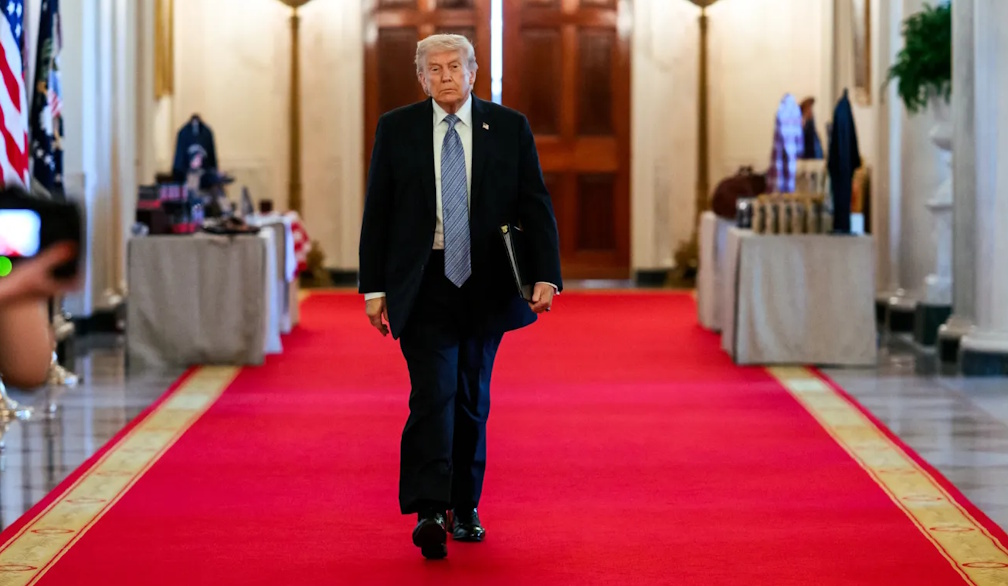
President Trump is persisting with negotiations with Iran to bring the war to a permanent conclusion but Iran is resisting.
The War continues, all be it in the form of a temporary cease fire.
The war involving Iran has become more than a distant geopolitical conflict discussed by diplomats and military analysts. It is now being felt directly by motorists at the petrol bowser, by trucking operators managing freight costs, by airlines adjusting ticket prices, and by households already struggling with inflation in both Australia and the United States.
Despite periodic hopes of ceasefires and temporary openings of shipping routes, global oil markets remain unstable. The Strait of Hormuz — one of the world’s most important energy chokepoints — continues to dominate international economic discussions. Roughly one-fifth of global oil supply normally moves through the narrow waterway, and disruptions there have sent shockwaves through world energy markets.
For Australians and Americans alike, the consequences are becoming difficult to ignore.
Why The Strait of Hormuz Matters So Much
The Strait of Hormuz sits between Iran and Oman and connects the Persian Gulf to the open ocean. It is one of the most strategically important shipping corridors in the world. Oil tankers carrying crude from Saudi Arabia, Iraq, Kuwait, the UAE and other producers pass through it every day.
When military conflict threatens that route, traders immediately anticipate shortages. Prices rise not merely because oil has disappeared, but because markets fear what could happen next.
The current conflict has already reduced tanker traffic dramatically and contributed to major supply disruptions. Saudi Aramco has warned that disruptions could continue affecting global markets well into 2027.
Investment banks and economists are increasingly warning that the world economy is entering another period of energy-driven inflation similar to previous oil crises.
Americans Are Paying At The Pump
In the United States, motorists have once again become highly sensitive to petrol prices. Fuel costs are politically explosive in America because driving remains central to daily life. Long commutes, large vehicles and a heavy reliance on trucking mean higher oil prices rapidly affect the wider economy.
Recent reports show US fuel prices have climbed sharply since the Iran conflict intensified, with diesel nearing record highs in some regions.
Diesel is particularly important because it powers freight transport, farming equipment, shipping and industrial machinery. When diesel prices surge, the cost of almost everything rises with it.
Food becomes more expensive to transport.
Construction costs increase.
Retailers pay more for logistics.
Airfares rise.
Manufacturers face higher operating costs.
American economists are warning that diesel inflation may now spread through the broader economy over coming months.
For the United States, the timing is especially difficult. Inflation had already been a major political issue, and rising fuel costs risk damaging consumer confidence ahead of future election campaigns.
Australia Is Feeling Vulnerable
Australians are also discovering how exposed the nation remains to global fuel disruptions.
Although Australia exports enormous amounts of energy, the country imports much of its refined fuel. Successive governments allowed domestic refining capacity to decline over decades, leaving Australia heavily reliant on overseas supply chains.
The Iran war has highlighted that vulnerability.
Australian officials have acknowledged that disruptions in the Strait of Hormuz disproportionately affect Asia-Pacific fuel markets.
Petrol prices across Australia surged after the conflict intensified, and economists continue warning that higher transport and freight costs will feed into broader inflation.
Australians are already paying more for:
-
Petrol and diesel
-
Groceries
-
Air travel
-
Imported products
-
Building materials
-
Freight and courier services
The impact extends well beyond motorists.
A manufacturer moving goods from Melbourne to Brisbane feels it.
A farmer paying for diesel-powered machinery feels it.
A suburban family shopping at the supermarket feels it.
An airline purchasing jet fuel feels it.
The Cost Of Living Problem Gets Worse
Both Australia and America were already battling cost-of-living pressures before the Iran war intensified.
Interest rates had risen sharply in recent years.
Housing affordability remained under pressure.
Food inflation frustrated households.
Insurance costs increased.
Now fuel prices are adding another layer of economic pain.
Businesses rarely absorb these increases forever. Eventually higher transport and energy costs flow through to consumers.
Australian companies are openly warning shoppers to prepare for higher prices.
The danger for governments and central banks is that energy inflation is notoriously difficult to control. Interest rate rises do not create more oil supply. Central banks can slow spending, but they cannot reopen shipping lanes in the Middle East.
That leaves economies trapped between slowing growth and rising prices — the classic ingredients of stagflation.
Airlines, Shipping And Freight Under Pressure
The aviation and shipping industries are among the sectors suffering most visibly.
Jet fuel prices have climbed substantially during the conflict, placing renewed pressure on airlines worldwide. Shipping companies are also dealing with soaring fuel costs and elevated insurance risks for vessels operating near the Gulf region.
Global freight operators have already increased shipping charges in many sectors.
For Australia, which depends heavily on imported consumer goods, that becomes especially problematic. Everything from electronics to furniture to machinery becomes more expensive when global shipping costs rise.
The impact can be subtle at first.
A few dollars extra here.
A higher surcharge there.
A slightly more expensive airline ticket.
But across an economy, those increases accumulate rapidly.
Could Prices Fall Again?
Oil markets remain extremely volatile.
At times, hopes of ceasefires or negotiated settlements have caused oil prices to fall sharply.
But traders remain nervous.
Any escalation involving Iran, the United States, Israel or Gulf shipping routes can immediately send prices climbing once more.
That uncertainty itself damages economic confidence.
Businesses hesitate to invest.
Consumers reduce discretionary spending.
Governments become cautious about budgets.
Financial markets become volatile.
The world economy functions best when energy prices are predictable. At present, they are anything but predictable.
Lessons For Australia
The Iran conflict has reignited debate about Australia’s long-term fuel security.
Critics argue Australia became too dependent on imported refined fuels and failed to prepare adequately for geopolitical shocks.
Questions are again being asked about:
-
Strategic fuel reserves
-
Domestic refining capability
-
Electric vehicle adoption
-
Energy diversification
-
National transport resilience
-
Supply chain security
Australia now faces a difficult balancing act. The nation remains heavily reliant on petrol and diesel, particularly outside major cities, yet the geopolitical risks surrounding global oil supply appear increasingly unstable.
A Reminder Of How Connected The World Has Become
The Iran war demonstrates how events thousands of kilometres away can rapidly affect daily life in Sydney, Brisbane, Los Angeles or Chicago.
A tanker delayed in the Persian Gulf can eventually influence the price of groceries in Australia.
A military confrontation in the Middle East can affect mortgage stress in America.
Oil remains deeply intertwined with modern civilisation.
And despite years of discussion about energy transition and renewables, the world economy still reacts violently whenever major oil supply routes are threatened.
For now, Australians and Americans continue paying the price — every time they fill the tank.