Google AI
The Times Australia

Times Media Advertising

WorldRemit Study Finds Multiple Countries Pay More than 50% of Monthly Income on School Supplies

  • Written by: Scott Eddington of WorldRemit

Australian basic educational needs average AUD $236 per child and AUD $410 per household


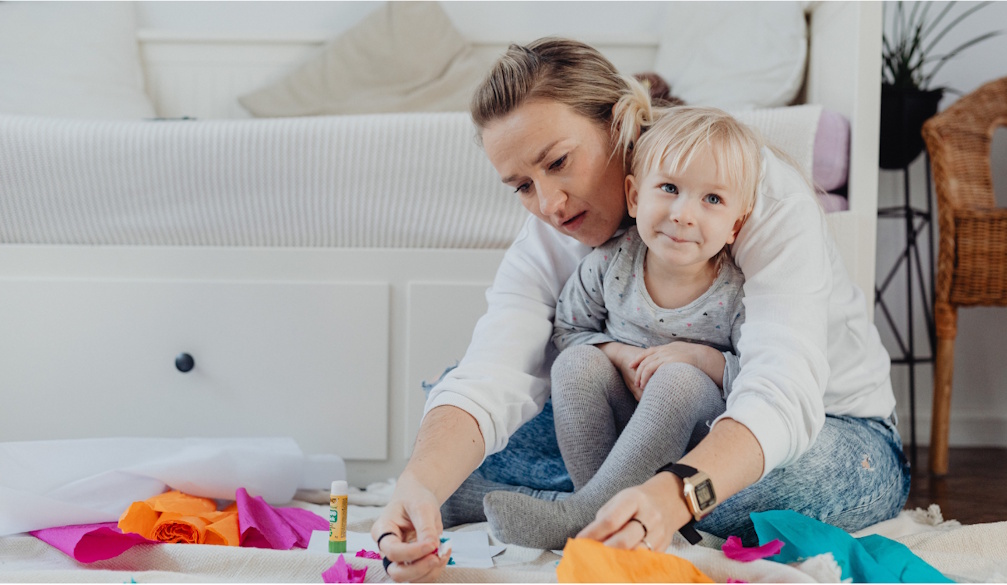
With students heading back to school in countries around the world, families are readying their children with the proper gear for a successful school year. In keeping with the spirit of this exciting time, WorldRemit conducted a 10-country study[2] to determine the cost of educational needs across a number of markets, gathering data to compare average costs of school supplies with average annual incomes and average number of children per household.

WorldRemit compared four developed economies in the study - the USA, UK, Australia and Canada - and found educational costs, including stationery, school and PE wear, and extras, such as a lunch bag and backpack, are the highest in Canada (AUD $281), followed by UK (AUD $249), Australia (AUD $236) and the US (AUD $230).

However, when looking at average school supply costs per household, the UK (AUD $464) is the highest, followed by Canada (AUD $441), US (AUD $423), and then Australia (AUD $410), with costs equating to 9% of the total monthly income for nearly half of all Australian residents.

The study also compared educational costs in some of the key remittance recipient countries from Australia, including India, the Philippines, Nigeria and Uganda.

In Nigeria and Uganda, costs of basic school supplies are more than 100% of the average monthly salary for households. Alternatively, for Filipinos, they can expect to pay 78% of their monthly salary to cover school expenses this season, whereas those in India can expect to pay 68% of their monthly salary.

Scott Eddington, Managing Director, Asia-Pacific at WorldRemit said: “More than 244 million people are classified as immigrants around the world and immigrants account for 30% of the population in Australia. Immigrants and overseas foreign workers are often working to support themselves whilst also supporting their families and communities back home and we know that funding education is one of the main reasons that overseas foreign workers send money back home.”

“Planning for a child’s return to school can take months of financial planning for those working overseas to support family in their home country. With school starting soon in India, the Philippines, Nigeria and Uganda, for those sending money to families, it’s important to have a reliable, safe option to ensure funds are received on time.”

According to the 2021 Q2 Consumer Expectations Survey published by the Central Bank of the Philippines, over half (52.2%) of remittances from April to June 2021 received in the Philippines were put towards education. 


All figures are AUD

Country

Average Monthly Income

Average Children per household

Average Cost of School Supplies per child

Average Total Cost of School Supplies per household

Percentage of Monthly Income per household

United Kingdom

$4,091

1.86

$249

$464

11%

United States

$6,327

1.84

$230

$423

7%

Canada

$4,318

1.57

$281

$441

10%

Australia

$4,813

1.74

$236

$410

9%

India

$208

2.28

$62

$141

68%

Philippines

$396

2.89

$107

$310

78%

Nigeria

$203

4.67

$170

$795

391%

Uganda

$77

5.45

$142

$774

1,005%

Tanzania

$111

4.45

$133

$592

533%

Mexico

$885

2.17

$210

$456

52%


To learn more about the study and see full results, visit https://www.worldremit.com/en/back-to-school

Times Magazine

The Human Supplement Craze Has Officially Gone to the Dogs (Literally)

Australians’ appetite for supplements is no longer limited to their own vitamin cabinets. New reta...

AI Guilt: It’s Real — But it is irrational

Artificial intelligence is rapidly becoming one of the most powerful tools ever made available to ...

Australians Are Keeping Their Cars Longer — And It’s Changing The Market

Australia’s car market is undergoing a subtle but important transformation. People are keeping th...

Streaming Fatigue: Australians Overwhelmed By Subscriptions

Streaming was once supposed to simplify entertainment. Instead, many Australians now feel overwhe...

Why Shopping Centres No Longer Feel Exciting

There was a time when going to the shopping centre felt like an event. Families spent entire Satu...

Harry And Meghan: Less Powerful As Royals, More Powerful As Content

For all the claims of “Harry and Meghan fatigue”, the world’s media still cannot stop talking abou...

The Times Features

Nationals move Bill to protect women. Sall Grover inter…

Matt Canavan  All good. Look, well, it's great to be here with my friend and colleague, Alison Pe...

The Human Supplement Craze Has Officially Gone to the D…

Australians’ appetite for supplements is no longer limited to their own vitamin cabinets. New reta...

The Teals: Can They Spoil Australia’s New Attraction to…

Australian politics is shifting again. For years, the dominant national contest revolved around L...

Property Paralysis: Buyers Hesitate As Australia’s Hous…

Australia’s property market may still be active, but beneath the auctions, listings and glossy rea...

The Return Of Practical Luxury: Buyers Want Quality Aga…

For years, consumer culture revolved around speed and abundance. Fast fashion.Fast furniture.Fast...

People Are Going Out Less — And Businesses Know It

Restaurants are full on some nights. Concerts still sell tickets. Sporting events attract crowds. ...

Why Shopping Centres No Longer Feel Exciting

There was a time when going to the shopping centre felt like an event. Families spent entire Satu...

The Liberal Party Faces Its Greatest Question Since Men…

When Robert Menzies founded the Liberal Party of Australia in the aftermath of World War II, Austr...

The Noise Around the 2026 Federal Budget Does Not Match…

Every time the government changes the rules around property investment, the same thing happens. Ph...