addressing the climate emergency through 'quiet activism'
- Written by: Wendy Steele, Associate Professor, Centre for Urban Research, RMIT University
Across the world, people worried about the impacts of climate change are seeking creative and meaningful ways to transform their urban environments. One such approach is known as “quiet activism”.
“Quiet activism” refers to the extraordinary measures taken by ordinary people as part of their everyday lives, to address the climate emergency at the local level.
In the absence of national leadership, local communities are forging new responses to the climate crisis in places where they live, work and play.
As we outline in a book[1] released this month, these responses work best when they are collaborative, ongoing and tailored to local circumstances.
Here are three examples that show how it can be done.
Read more: Disaster season is here — do you have a Resilience Action Plan? Here's how the small town of Tarnagulla built theirs[2]
Climate for Change: a Tupperware party but make it climate
Climate for Change[3] is a democratic project in citizen-led climate education and participation.
This group has engaged thousands of Australians about the need for climate action — not through public lectures or rallies, but via kitchen table-style local gatherings with family and friends.
As they put it:
We’ve taken the party-plan model made famous by Tupperware and adapted it to allow meaningful discussions about climate change to happen at scale.
Their website quotes “Jarrod”, who hosted one such party, saying:
I’ve been truly surprised by the lasting impact of my conversation amongst friends who were previously silent on the issue – we are still talking about it nine months on.
Climate for Change has published a “climate conversation guide[4]” to help people tackle tricky talks with friends and family about climate change.
It has also produced a resource on how to engage your local MP[5] on climate change.
EnviroHouse: hands-on community education
EnviroHouse[6] is a not-for-profit organisation based in Western Australia committed to local-scale climate action through hands-on community education and engagement projects, such as:
facilitating workshops on energy efficiency
visiting schools on request to provide sustainability services
collecting seeds to grow thousands of she-oaks, paperbarks and rushes along the eroded Maylands foreshore in Perth
teaching workshops on composting, worm farming and bokashi techniques to community members
giving talks on sustainable living
running a home and workplace energy and water auditing program.
Climarte: arts for a safe climate
collaborates with a wide range of artists, art professionals, and scientists to produce compelling programs for change. Through festivals, events and interventions, we invite those who live, work and play in the arts to join us.
This group aims to create a space which brings together artists and the public to work, think and talk through the implications of climate change.
Why quiet?
Quiet activism raises questions around what it means to be an activist, or to “do activism”.
While loud, attention-grabbing and disruptive protests are important, local-scale activities are also challenging the “business as usual” model. These quiet approaches highlight how ordinary citizens can take action every day to generate transformative change.
There is a tendency within climate activism to dismiss “quiet” activities as merely a precursor to bigger, more effective (that is, “louder”) political action.
Everyday local-scale activities are sometimes seen as disempowering or conservative; they’re sometimes cast as privileging individual roles and responsibility over collective action.
However, a growing range of voices draws attention to the transformative potential of small, purposeful everyday action.
UK-based researcher Laura Pottinger[8] emphasises that these everyday practices are acts of care and kindness to community — both human and non-human.
Her interest is a “dirt under the fingernails” kind of activism, which gains strength from a quiet commitment to practical action.
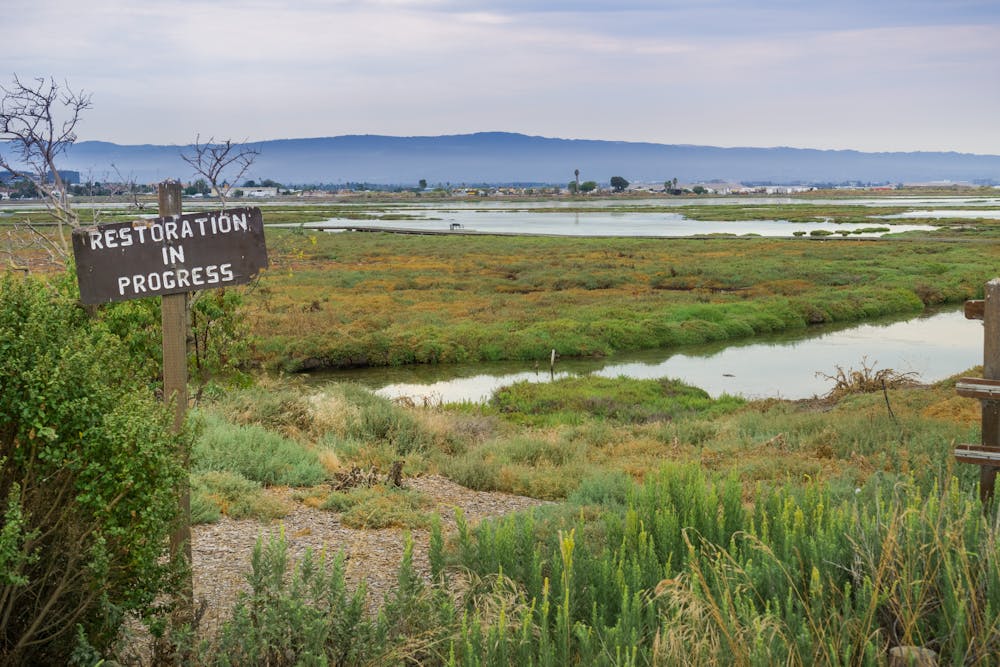 Researcher Laura Pottinger argues that a kind of ‘dirt under the fingernails’ activism gains strength from a quiet commitment to practical action.
Shutterstock
Researcher Laura Pottinger argues that a kind of ‘dirt under the fingernails’ activism gains strength from a quiet commitment to practical action.
Shutterstock
Climate action, here and how
The climate crisis has arrived and urgent action is required.
By creatively participating in local climate action, we can collectively reimagine our experience of, and responses to, the climate emergency.
In doing so, we lay the foundation for new possibilities.
Quiet activism is not a panacea. Like any other form of activism, it can be ineffective or, worse, damaging. Without an ethical framework, it risks enabling only short-lived action, or leading to only small pockets of localised activity.
But when done ethically and sustainably — with long-term impact in mind — quiet activism can make a profound difference to lives and communities.
Read more: From veggie gardening to op-shopping, migrants are the quiet environmentalists[9]
References
- ^ book (www.palgrave.com)
- ^ Disaster season is here — do you have a Resilience Action Plan? Here's how the small town of Tarnagulla built theirs (theconversation.com)
- ^ Climate for Change (www.climateforchange.org.au)
- ^ climate conversation guide (www.climateforchange.org.au)
- ^ how to engage your local MP (www.climateforchange.org.au)
- ^ EnviroHouse (www.envirohouse.org.au)
- ^ Climarte (climarte.org)
- ^ Laura Pottinger (www.research.manchester.ac.uk)
- ^ From veggie gardening to op-shopping, migrants are the quiet environmentalists (theconversation.com)