I think my child might need a tutor. What do I need to consider first?
- Written by: Matthew White, Lecturer and Researcher Australian Catholic University, Australian Catholic University
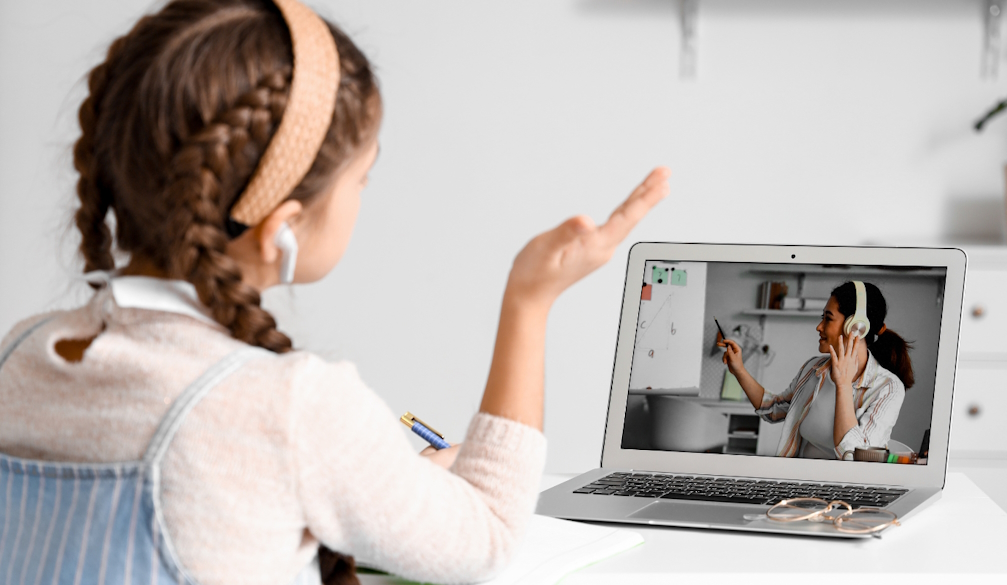
School tutoring is a huge business. Australian estimates suggest[1] it was worth more than of A$1.5 billion as of 2021.
In Australia, we see frequent media reports[2] of parents using tutors[3] to help their children through school.
How can you tell if tutoring is right for your child?
What is tutoring?
Private tutoring can be take many forms, but involves parents paying for additional lessons outside of schools hours. These are either one-to-one or in small groups.
There are services available for students in primary school through to senior high school.
Some tutoring services target specific skills, such as literacy or numeracy. Others offer support for young people with organisation skills and homework or preparation for certain exams.
Tutoring can go for a short burst over a few weeks to prepare for an exam or it may be regular and ongoing to maintain learning.
Why do people get tutoring?
Families can get tutoring for a student for a wide range of reasons.
A child may be struggling with certain elements of schooling – such as reading, writing, or maths. Tutoring can provide an opportunity to catch-up with tailored support.
Tutoring can also help children prepare for tests and exams, such as NAPLAN or Year 12.
Tutoring is used to prepare students for government selective school programs[5] or private school scholarship exams[6].
Researchers have highlighted[7] some cultural backgrounds see investing in tutoring as an essential part of educating their children and helping them reach their full potential.
The tutoring debate
Tutoring can be expensive and time consuming for families. Families may pay between $30 and $200[8] a session, depending on the subject and qualifications of the tutor.
Some argue this gives some children an unfair advantage[9] and students should instead rely on their natural ability.
Despite the criticism, there are benefits to tutoring. This includes giving students extra opportunities to consolidate their knowledge – we know this can help students learn[10].
It can also help build their confidence if a tutor can step through learning in a less pressured environment. As my research has shown, academic progress relies heavily on a students’ belief in their capacity to succeed[11].
Does my child need a tutor?
All students can benefit from personalised support and coaching in whatever they wish to peruse. However, all students do not need a tutor. The choice to engage a tutor should be attached to a goal that you and your child agree on.
If the young person does not want to engage in tutoring having a tutor is not going to help[12]. Rather, it is more likely to lead to stress and arguments.
It may help to talk to your child’s teacher and review school reports before starting with a tutor to work out which particular areas need extra attention.
If your shared goal is to catch up or help with certain academic skills, it is important to find a tutor who is experienced and can explain the approach they take and what evidence it is based on.
If the goal is organisation, homework or even just to improve confidence, you could at first try a university student who has past success themselves or with other students. For more specialised goals, seek out tutors who are open about their qualifications, experience and past success.
Child safety should also be a consideration. The Australian Tutoring Association[14] provides practical advice for parents choosing a tutor and a code of conduct for tutors.
There is no requirement for tutors to be a member of the association. So parents should make sure any tutor has a current Working with Children check[15]. You can of course also talk to other parents and teachers for recommendations.
References
- ^ estimates suggest (www.theage.com.au)
- ^ frequent media reports (www.sbs.com.au)
- ^ parents using tutors (www.skynews.com.au)
- ^ Deyan Georgiev/ Shutterstock (www.shutterstock.com)
- ^ government selective school programs (www.theage.com.au)
- ^ private school scholarship exams (www.smh.com.au)
- ^ have highlighted (www.tandfonline.com)
- ^ between $30 and $200 (www.afr.com)
- ^ gives some children an unfair advantage (www.tandfonline.com)
- ^ help students learn (www.education.vic.gov.au)
- ^ belief in their capacity to succeed (www.tandfonline.com)
- ^ having a tutor is not going to help (www.tandfonline.com)
- ^ Dmytro Zinkevvych/Shutterstock (www.shutterstock.com)
- ^ Australian Tutoring Association (ata.edu.au)
- ^ Working with Children check (www.service.nsw.gov.au)