Quiet on Set highlights how we don’t keep child stars safe – in Hollywood or online
- Written by: Edith Jennifer Hill, Associate Lecturer, Flinders University
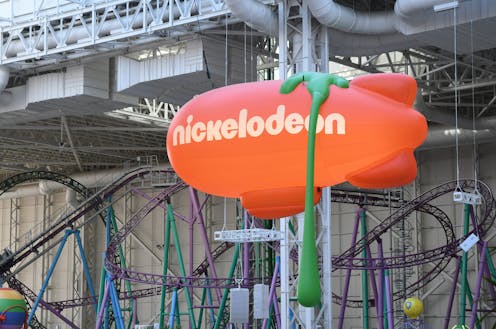
The new documentary Quiet on Set investigates children’s television station Nickelodeon from the late 1990s to the early 2000s.
The five-part series highlights the abuse many child actors faced while working for the station. The child stars on these shows – now adults in their 30s – share their experiences working on the Nickelodeon sets.
The series raises questions about the protections in place for child stars, both in and out of the film industry.
There are clear parallels between the lack of protection for working actors and the exploitation of children who are the faces of popular YouTube, Instagram and TikTok accounts. These children face no clear working hours, massive opportunities for financial abuse, and insufficient protection from sexual predators.
Quiet on Set
In Quiet on Set, stories are recounted of child actors and their parents feeling uncomfortable on set, the use of inappropriate humour for children’s television, and the difficulties women had in and out of the writer’s room.
More seriously, the series also spotlights three men who became convicted sex offenders[1] while working on Nickelodeon shows: Brian Peck, Jason Handy and Ezel Channel.
Peck, convicted of sexually abusing child star Drake Bell, is at the centre of much of the series. Episode four highlights the many people in the industry who wrote letters of support[2] for Peck while he was in court.
The series explored how these men were put in positions of power and were able to exploit the young people who were often in their care.
What laws protect child stars?
The majority of events in Quiet On Set took place in California. There is no single consistent law in the United States that protects the safety of minors in the entertainment industry. Each state has a different standard of protection. Laws vary for standards around breaks, education, and parental or guardian involvement on set.
The most famous protection for child stars is the Coogan Law[3], which protects the money a child star earns.
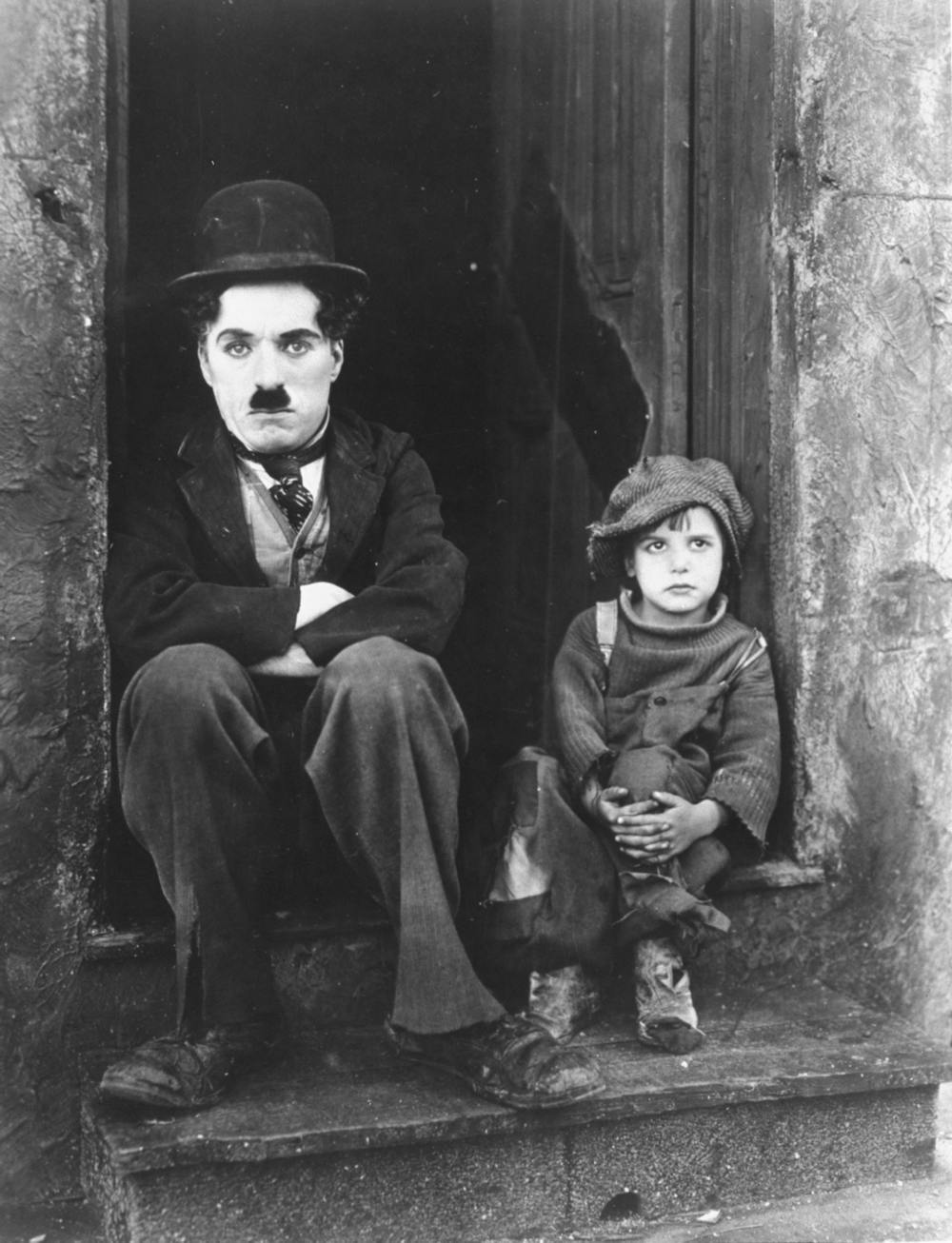
The Coogan Law was enacted in the mid-1930s after child star Jackie Coogan successfully sued his family for spending the money he earned. Under the current iteration of the law, 15% of the child’s income must be placed in a fund which cannot be accessed by the parents, to be made available to the child once they turn 18. This law is only in effect in California.
Quiet On Set highlights how other laws – specifically child labour laws – were violated on the Nickelodeon shows. And, worse, how the industry failed to protect the children from predators. After his conviction[4], Peck was hired at the Disney Channel to work on another children’s television show.
Unfortunately, the enforcement of laws around children working in entertainment varies between countries, production companies and individuals.
There are current laws in the United States[5] and Australia[6] that protect children’s working rights, but it is clear these are not consistently enforced. Alyson Stoner, a former child star, has spoken about how[7] the unsafe working conditions she endured left her malnourished and chronically stressed. Labour laws were in place at this time.
Child stars online
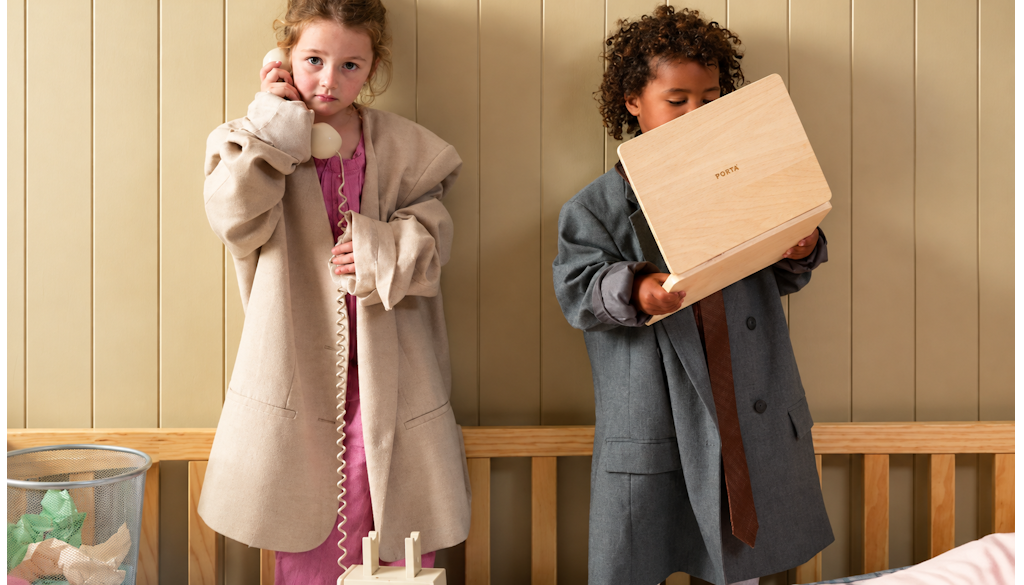
Now, child stars are not limited to those who appear on television shows or in movies. Many children rise to fame online, with arguably larger potential audiences and different risks for exploitation.
Current research[8] shows children do not like their images or activities being shared online without their consent. Likewise, we are becoming increasingly aware of the dangers of sharing[9] footage of children online when it comes to sexual predators.
The now adult children of family channels have begun speaking out about the exploitation they received at the hands of their parents when the intimate details of their lives were shared without their consent. One child reflected[10] in an interview in Teen Vogue on the immense pressure she was under when she realised her family’s income relied on her performance on YouTube.
The eldest daughter of the 8 Passengers YouTube family[11], Shari Franke, has spoken[12] about her abusive home life since her mother’s arrest late last year. The 8 Passengers Family is one extreme example of the exploitation that can run rampant for children online.
Many popular channels are now removing their children’s faces[13] from their public profiles. These are often influencers who share their children, rather than family channels with content that revolves entirely around their children’s lives. Popular creator Maia Knight has said[14] now her children are toddlers she has “decided not to show them anymore […] I’m making a choice for my daughters to protect them.”
Read more: YouTube influencer Ruby Franke will go to prison for child abuse. What are the ethics of family vlogging?[15]
Better laws, better enforcement
As is clear from the reporting in Quiet on Set, and the stories of children who grew up on social media, the existing laws protecting child stars need to be more tightly enforced. These laws should also be expanded to more comprehensively protect the health, finances and safety of children of online influencers.
For all working children, there needs to be clear and hard limits on working hours, education and finances. Currently, hundreds of thousands of children are publicly shared online by parents and receive no formal protection.
If we agree as a society it is acceptable to have children working in these online spaces, we need to have safeguards in place to protect them, and education for parents about the real risks they are subjecting their children to.
Quiet on Set is now streaming on Binge.
Read more: Britney Spears' memoir is a reminder of the stigma and potential damage of child stardom[16]
References
- ^ became convicted sex offenders (www.vox.com)
- ^ letters of support (www.businessinsider.com)
- ^ Coogan Law (www.backstage.com)
- ^ conviction (www.lapdonline.org)
- ^ United States (www.dol.gov)
- ^ Australia (www.artslaw.com.au)
- ^ has spoken about how (www.businessinsider.com)
- ^ research (psycnet.apa.org)
- ^ dangers of sharing (www.newstatesman.com)
- ^ reflected (www.teenvogue.com)
- ^ 8 Passengers YouTube family (theconversation.com)
- ^ spoken (open.spotify.com)
- ^ removing their children’s faces (www.teenvogue.com)
- ^ Maia Knight has said (www.teenvogue.com)
- ^ YouTube influencer Ruby Franke will go to prison for child abuse. What are the ethics of family vlogging? (theconversation.com)
- ^ Britney Spears' memoir is a reminder of the stigma and potential damage of child stardom (theconversation.com)