Our mood usually lifts in spring. But after early heatwaves and bushfires, this year may be different
- Written by: Tara Crandon, Psychologist and PhD Candidate, QIMR Berghofer Medical Research Institute
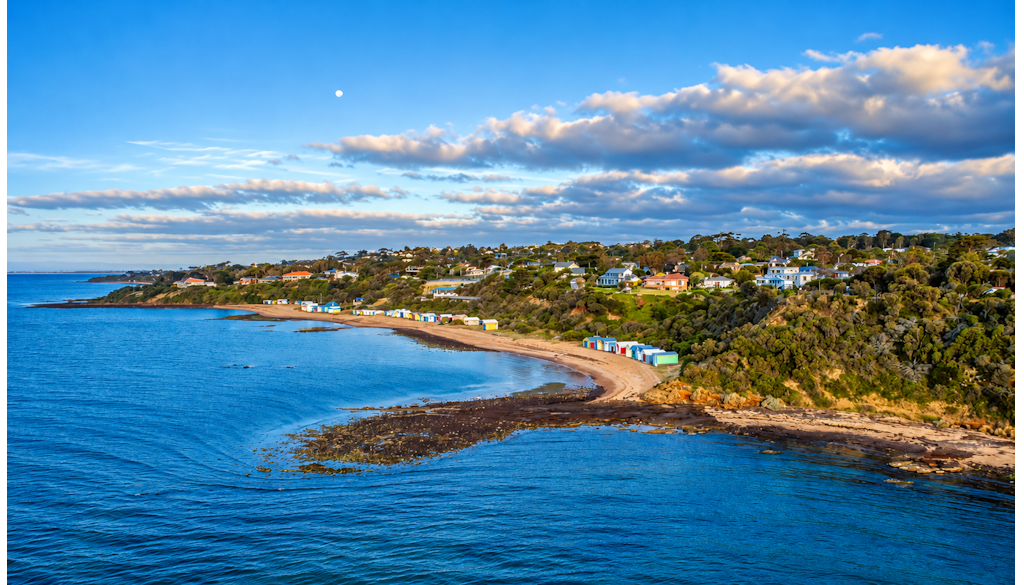
When we think of spring, we might imagine rebirth and renewal that comes with the warmer weather and longer days. It’s usually a time to celebrate, flock to spring flower festivals[1] and spend more time in nature.
Spending time in nature or doing things outside, such as exercising[2] or gardening[3], lifts our mood[4].
But this year, with an early start[5] to the bushfire season, and the promise of[6] long, hot months ahead, we may see our views about the warmer months start to shift.
For some people, the coming months are not a celebration. They are something to fear, or feel sad about.
In particular, communities and emergency responders who have experienced bushfires or drought in the past may see rising levels of stress and anxiety[7] as they face the months ahead.
Read more: Here comes the sun: how the weather affects our mood[8]
How’s this spring different?
In recent weeks, the Australian Bureau of Meteorology has declared[9] two climate events are now under way: El Niño[10] and a positive Indian Ocean Dipole[11].
These events predict warmer, drier conditions through to summer, as well as more intense heatwaves, bushfires and droughts.
In temperate and subtropical regions, our summers are on average becoming[12] hotter and longer, and winters are becoming warmer and shorter. Climate change is the primary driver[13] of these shifts.
Read more: Explainer: El Niño and La Niña[14]
What happens to our mood as the temperature rises?
Hotter temperatures and prolonged heat is linked to aggression[15] and higher rates[16] of emergency hospital admissions due to health conditions, heat-related injuries, and mental health concerns.
After an extreme weather event or disaster, rates of anxiety, depression and post-traumatic stress rise[17].
Many Australians have already experienced the psychological and physical impacts[18] of bushfires, droughts, floods and heatwaves.
For some communities and individuals, experiencing these types of events may mean they are more[19] resilient or prepared for the future. For others, the anticipation of rising heat or other climatic threats may cause concern[20]. They may also prompt pre-traumatic stress[21] – the stress that comes ahead of expected loss or trauma.
Read more: Worried about heat and fire this summer? Here's how to prepare[22]
Anxiety, anger and sadness
As climate-related events become more widespread, people may also become increasingly affected by feelings such as anxiety, anger and sadness.
Climate anxiety[23] refers to the fear, dread and worry about climate change. Anxiety can be a helpful response as it allows us to prepare and respond to future threats. For instance, climate anxiety may help prompt[24] pro-environmental behaviour and climate action, such as attending a protest. But this type of anxiety can also become overwhelming[25].
The loss of wildlife and nature due to bushfires can leave people feeling grief[26] over what’s lost, and anger[27] about the lack of action to prevent these losses.
Losses could also be more personal, including damage to health, livelihoods, homes, or even the ability to do enjoyable outdoor activities, such as playing sports or exercising outside.
Another experience, solastalgia, is the “homesickness you have when you are still at home”. Researchers suggest[28] solastalgia is a type of distress when someone perceives negative changes and gradual deterioration to their own home environment. These feelings could arise when we notice seasonal and environmental changes to the places we love and call home.
Read more: You're not the only one feeling helpless. Eco-anxiety can reach far beyond bushfire communities[29]
But there are things you can do
Heading into the hotter months, strong community[30] support, cohesion and preparedness may be especially important. There are also things you can do to maintain and manage your mental health and wellbeing. Though more research is needed to understand which strategies work best, health professionals suggest[31]:
connecting with others, especially people you trust and who support your wellbeing
finding ways to connect with your community either in person (for example, through community gardening[32]) or online (for example, via discussion groups)
being mindful of your physical and psychological safety (for instance, especially during climate-related events) and, if you need it, seeking professional support
taking a break from distressing media content when needed.
Read more: Keeping your cool in a warming world: 8 steps to help manage eco-anxiety[33]
Understandably, people may continue to be anxious about the seasons to come with the ongoing threat of climate change.
To avoid becoming overwhelmed, you can also respond to and channel your distressing feelings. You can take part in[34] community-led climate action projects, and spend time outdoors[35] and in nature (even for short bursts of time[36]).
These actions might help uphold the positive links between wellbeing and nature, no matter the season.
If this article has raised issues for you, or if you’re concerned about someone you know, call Lifeline on 13 11 14.
References
- ^ spring flower festivals (floriadeaustralia.com)
- ^ exercising (journals.sagepub.com)
- ^ gardening (www.sciencedirect.com)
- ^ lifts our mood (www.sciencedirect.com)
- ^ early start (twitter.com)
- ^ promise of (theconversation.com)
- ^ stress and anxiety (search.informit.org)
- ^ Here comes the sun: how the weather affects our mood (theconversation.com)
- ^ declared (www.bom.gov.au)
- ^ El Niño (theconversation.com)
- ^ Indian Ocean Dipole (www.bom.gov.au)
- ^ becoming (australiainstitute.org.au)
- ^ primary driver (www.csiro.au)
- ^ Explainer: El Niño and La Niña (theconversation.com)
- ^ aggression (link.springer.com)
- ^ higher rates (link.springer.com)
- ^ rise (pubmed.ncbi.nlm.nih.gov)
- ^ impacts (journals.sagepub.com)
- ^ more (www.sciencedirect.com)
- ^ concern (www.mdpi.com)
- ^ pre-traumatic stress (journals.sagepub.com)
- ^ Worried about heat and fire this summer? Here's how to prepare (theconversation.com)
- ^ Climate anxiety (www.nature.com)
- ^ may help prompt (www.sciencedirect.com)
- ^ overwhelming (www.sciencedirect.com)
- ^ grief (www.mdpi.com)
- ^ anger (www.sciencedirect.com)
- ^ Researchers suggest (pubmed.ncbi.nlm.nih.gov)
- ^ You're not the only one feeling helpless. Eco-anxiety can reach far beyond bushfire communities (theconversation.com)
- ^ community (www.sciencedirect.com)
- ^ suggest (headspace.org.au)
- ^ community gardening (theconversation.com)
- ^ Keeping your cool in a warming world: 8 steps to help manage eco-anxiety (theconversation.com)
- ^ take part in (link.springer.com)
- ^ spend time outdoors (www.sciencedirect.com)
- ^ short bursts of time (www.tandfonline.com)