what you should know before you go
- Written by: Libby (Elizabeth) Sander, MBA Director & Assistant Professor of Organisational Behaviour, Bond Business School, Bond University

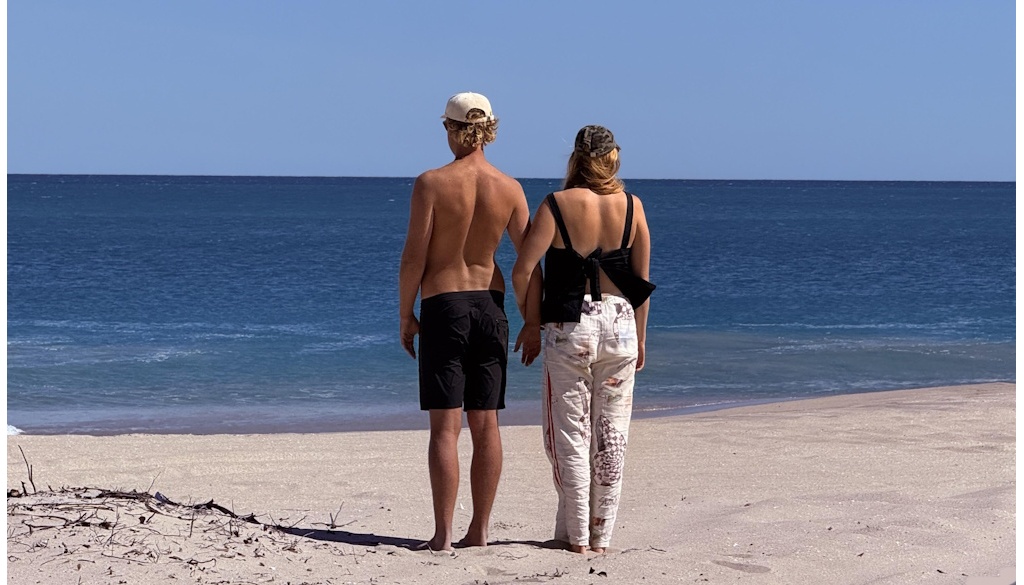
Imagine starting your work day with a fresh coconut juice perched by your laptop as you gaze over the ocean or a tropical rainforest.
It’s the sort of thing to fantasise about during long, tiresome commutes and days in a claustrophobic, noisy office.
But so long as you have the right type of job, and an accommodating employer (not Elon Musk[1]), it could be your reality.
The war for talent is no longer just between companies. More than 40 nations or territories now offer “digital nomad” visas to attract those able to be employed in one country while living, and spending their income, in another.
Fancy the beach? A bunch of exotic islands are on the list. Prefer tropical forests? Try Brazil or Costa Rica.
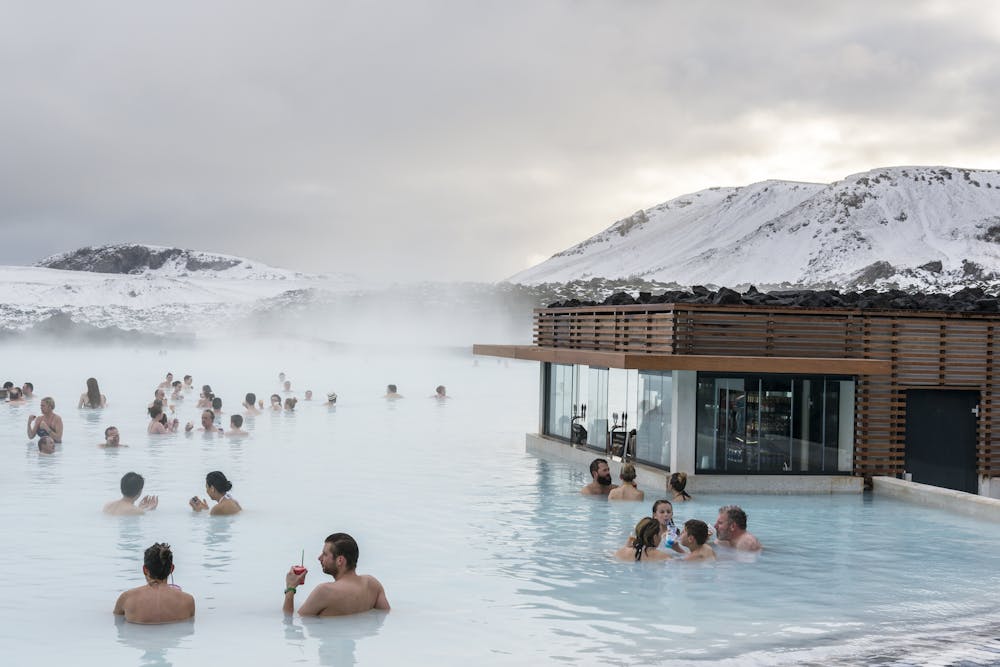
Looking for history? There’s Spain or Greece. Love Wim Hof-style ice-bathing[2]? Iceland beckons.
What is a digital nomad visa?
Think of a “digital nomad” visa as a cross between a tourist and temporary migrant visa – a working-on-holiday visa. Instead of the visa giving you the right to work in the country, it’s allowing you to stay so long as you’re gainfully employed and bringing money into the local economy.
How long you can stay varies, from 90 days in Aruba in the Caribbean to up to two years in the Cayman Islands. Most are for 12 months, with an option to renew.
Some places, such as Latvia[3], restrict visas to employers registered in an OECD country. But generally the key requirement is that you can show you have no need to find local work and can meet minimum income requirements.
Generally, the visa conditions simplify taxation issues: you continue to pay your income tax in the country of your employer.
But this varies. For example, in Greece (which offers a two-year renewable visa) you are exempt from paying local income tax only for the first six months.
Combining work and travel
A key driver of the digital nomad trend is the ability to maintain a career while ticking off other personal goals, particularly travel and the ability to experience a different way of life.
Moving somewhere with a cheaper cost of living could be another motivation.
But before you decide to pack up, there are some things to consider to ensure being a digital nomad is right for you.
You’re a long way from home
The first is whether reality will live up to the fantasy.
As a digital nomad you’re a very remote worker, with all the pros and cons that come with that.
Some studies[4] have shown remote workers can feel socially and professionally isolated.
Having an employer that’s supportive of your move will help. A 2017 review[5] of prior studies on remote work found organisational support greatly reduces the psychological strain and social isolation felt by remote workers.
Read more: It's not just the isolation. Working from home has surprising downsides[6]
But working from home is one thing; being in another country is entirely another. Living a long way away from family and friends and support networks is likely to be more challenging, no matter how idyllic your location.
If you like predictable structure and routine, the uncertainty and inevitable inconveniences that arise may mean it isn’t for you.
And while you may be exempt from paying local income tax, you’ll have to comply with all other local laws – such as Indonesia’s new laws[7] making sex outside marriage potentially punishable with a year in jail.
Foreign countries do things differently
If those things don’t faze you, here are three tips to make the transition easier.
First, all the usual considerations about remote work apply – and some are amplified. You will absolutely need reliable high-speed internet, and access to support services. Living in a remote village might be alluring, but how close is the nearest computer shop?
Second, understand when you’ll need to work. You may be on a different time zone to colleagues or clients. The novelty of an ocean view could easily wear thin after a few weeks of getting up in the middle of the night for zoom calls. How available you need to be could be a big factor in choice of destination.
Third, you may still find maintaining work-life balance a challenge. Research[8] has shown how easily work-life boundaries are blurred with remote work. The desire to prove you’re not slacking off may make it even harder.
But if you have the right personality, and you’re lucky enough to have the right job and employer, being a digital nomad might bring you the best of two worlds.
Find out more..https://digitalnomadadventures.com/digital-nomad-visas/
References
- ^ not Elon Musk (theconversation.com)
- ^ ice-bathing (www.ft.com)
- ^ such as Latvia (www.schengenvisainfo.com)
- ^ studies (www.emerald.com)
- ^ review (www.tandfonline.com)
- ^ It's not just the isolation. Working from home has surprising downsides (theconversation.com)
- ^ Indonesia’s new laws (www.smh.com.au)
- ^ Research (www.igi-global.com)