To pat or not to pat? How to keep interactions between kids and dogs safe
- Written by: Petra Edwards, PhD researcher, University of Adelaide
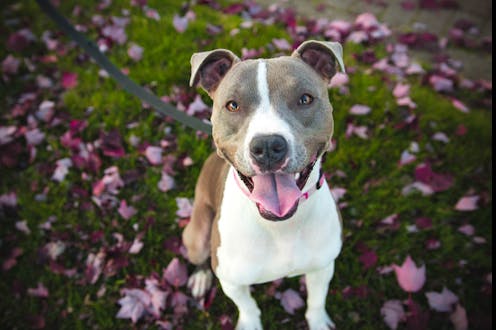
With dog attacks in the news over recent weeks[1], some parents may be wondering about how to keep interactions between kids and dogs safe – and how to keep everyone happy.
A review[2] of hospitalisations due to dog bites in Australia found children under nine years presented most often. Dog attacks involving children often involve the family dog[3] or a dog known to the child.
While we need more research around the events leading to these attacks, it’s likely a combination of a series of unfortunate events, rather than an inherently “bad” dog. Any dog can bite.
Read more: What to do in a dog attack – and why they hate posties so much[4]
Every dog and every child interaction is different, but here are general tips for good interactions and outcomes.
Teach children how to interact with dogs safely
You wouldn’t run up and hug a stranger in the street – let’s not do it to dogs. It is vital children learn how to approach dogs safely[5].
Children should always stop a few metres from a dog they want to pat and ask the responsible person for permission, before also asking the dog.
You can ask dogs if they want a pat by remembering “pat, pet, pause[7]”.
1. Pat. Pat your leg to encourage a dog over.
2. Pet. If the dog comes to say “hi!”, give them a gentle pat on the shoulder or side. Never pat a dog on the head (dogs hate it!). Stand side-on so the dog can always move away.
3. Pause. Stop after three pats (or three seconds), and wait. If the dog reconnects (leans in or bumps the hand) then pat again for another three seconds. If the dog remains still, leans away or moves away, they don’t want to be patted (at that moment – you can try again later).
Children (and adults) should pat, pet, pause in every interaction with a dog – even the family dog.
Read more: Curious Kids: how can we tell if an animal is happy without a wagging tail?[8]
Interactions should be short, supervised and managed carefully
Not all dogs are used to kids. Some dogs may be very social and friendly, but not know how to interact with children safely.
Keep social, friendly dogs on-lead or use a play pen (or fence) to keep both dogs and children safe. Use lots of tasty treats to reinforce the dog for keeping four paws on the floor.
Things can escalate quickly if children get excited or if a dog starts zooming around. Keeping interactions short (and supervised) reduces the chance of somebody being hurt.
Be very careful with very large or heavy breeds and young children who can get knocked over easily.
Learn to speak dog
Dogs communicate well, if we learn to listen. Dogs show signs of fear by moving away, cowering or tucking their tail between their legs. If they flick their ears back, turn their head away or close their mouths it means they’re not comfortable.
If we miss these signs, a dog might growl or even bite[10].
A wagging tail doesn’t always mean a dog is happy – “good” wags are mid-height, slow(ish), with a relaxed body. Dogs also wag high when tense, or very low when very nervous (both signs to say “hi!” from a distance).
Research shows young children find it difficult to identify dog body language – signs of fear or stress – although older children can increase this knowledge with education[11]. It’s up to adults to supervise, watch both dog and child closely, and stop the interaction if the dog or child isn’t coping.
Read more: Yes, your dog can understand what you're saying — to a point[12]
It’s important never to punish a dog for growling. Growling is serious (especially around children) and needs to be addressed quickly with careful management and training. However, it is clear communication. Punishing a growl stops the growl, but not the underlying discomfort (or fear) behind it. This means a dog might not give any warning before biting.
Ignoring signs of stress or fear, or finding it funny, puts everybody at risk. Stop the interaction immediately and contact a qualified, experienced dog trainer.
Respect their space
Dogs in their bed, or eating, need their own space. These are dogs’ safe zones – kids should not approach.
Kids also need a “safe” space or time away from the dogs (for example, in their bedroom).
Dogs in public spaces aren’t public property
Just because a dog is in public doesn’t mean it’s comfortable with strangers approaching. Even if a dog is walking with children, they may not want to meet new children.
Always ask the owner of the dog. If the dog is tied up in front of a shop (or you can’t see their parent), say hello another day.
Sometimes pet parents feel pressure to ensure their dog says “hi!” to children, but always listen to the dog, and feel empowered to say no to pats from children. It won’t hurt to miss this one interaction, and offers a learning opportunity for kids to respect the space of animals.
Read more: Five top tips to consider before getting a canine companion[14]
References
- ^ news over recent weeks (theconversation.com)
- ^ review (doi.org)
- ^ involve the family dog (www.smh.com.au)
- ^ What to do in a dog attack – and why they hate posties so much (theconversation.com)
- ^ approach dogs safely (www.youtube.com)
- ^ Arten Baliakin/Unsplash (unsplash.com)
- ^ pat, pet, pause (www.thefamilydog.com)
- ^ Curious Kids: how can we tell if an animal is happy without a wagging tail? (theconversation.com)
- ^ Annie Spratt/Unsplash (unsplash.com)
- ^ growl or even bite (www.kendalshepherd.com)
- ^ increase this knowledge with education (www.frontiersin.org)
- ^ Yes, your dog can understand what you're saying — to a point (theconversation.com)
- ^ Anthony Fomin/Unsplash (unsplash.com)
- ^ Five top tips to consider before getting a canine companion (theconversation.com)