Why do couples use baby talk with one another?
- Written by: Ramesh Kaipa, Associate Professor of Communication Sciences & Disorders, Oklahoma State University
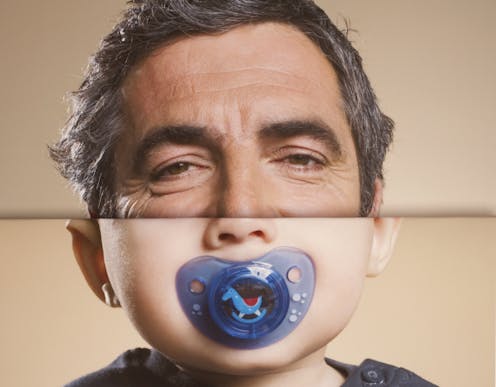
Imagine you’re strolling through a park and you overhear a middle-aged couple cooing over each other, doting over their “wittle sugar pwum” and “baby doll.”
“Ewwww,” you might reflexively think.
Baby talk is cute when grown-ups dote on babies. But when adults converse with each other? Not so much.
Yet in my work as a communication sciences and disorders researcher[1], I’ve come across studies showing that as many as two-thirds of couples use romantic baby talk[2].
It may sound strange and elicit cringes, but it’s no disorder.
So why do couples do it?
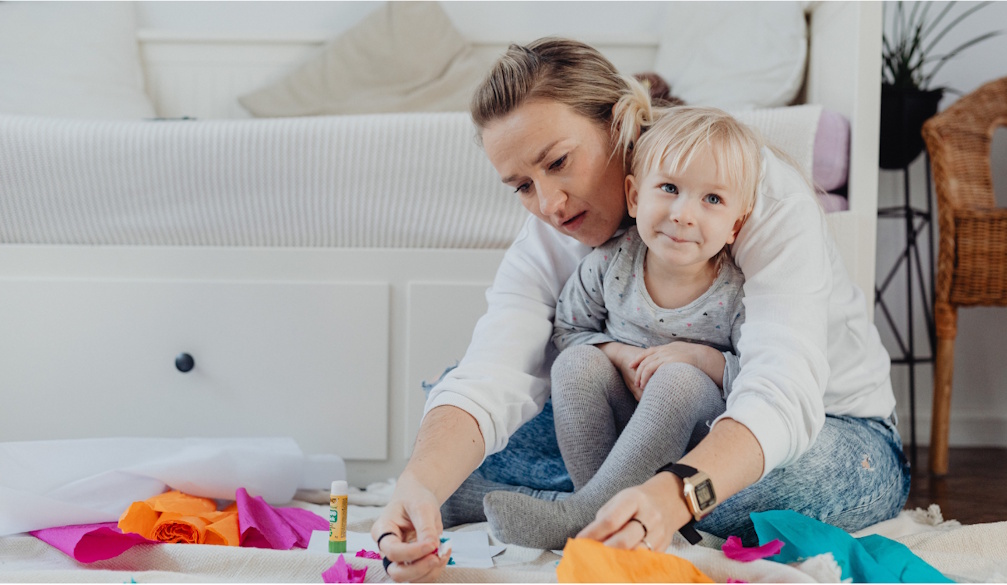
First, it’s important to understand what, exactly, I mean by “baby talk.” It’s not how babies talk to one another. It’s the exaggerated pitch, tempo and intonation that parents use when talking to their little ones – what linguists call[3] “motherese” or “parentese.”
According to speech and hearing expert Patricia Kuhl[4], this special style of speaking facilitates social interactions with babies, helping them learn how to communicate. And it isn’t a phenomenon just in English. Speakers in every culture and every language will change their pitch and exaggerate their intonation when communicating with babies.
Research has shown[5] that this style of speaking actually triggers the release of neurotransmitters that motivate infants to learn.
However, in the case of romance, this style of speech is less about learning and more about affection.
According to the affection exchange theory[6], which was proposed by the communication researcher Kory Floyd, specific vocal behaviors signal affection. These include the use of a high pitch, exaggerated intonation and a soft voice – traits that just so happen to overlap with the way most people talk to babies.
But there’s another side to the phenomenon: the formation of a special linguistic landscape that’s walled off from the rest of the world, a space for couples to express themselves that’s free from the complexities and customs of routine adult conversations.
The use of “idiosyncratic,” or personalized, communication is an important aspect of close friendships and romantic relationships[7]. A bystander listening in might be flummoxed. But to the couple, it’s a sign of their bond – a boundary that sets them apart from everyone else. Pet names like “sweet pie” and “nugget” are a part of this, and they’ve been shown to signal greater relationship satisfaction among couples[8].
So while adults literally going gaga for each other might sound peculiar, it’s a hallmark of humanity.
[Understand new developments in science, health and technology, each week. Subscribe to The Conversation’s science newsletter[9].]
References
- ^ Yet in my work as a communication sciences and disorders researcher (scholar.google.com)
- ^ as many as two-thirds of couples use romantic baby talk (archive.boston.com)
- ^ what linguists call (www.princeton.edu)
- ^ Patricia Kuhl (ilabs.uw.edu)
- ^ Research has shown (www.jstor.org)
- ^ affection exchange theory (www.tandfonline.com)
- ^ is an important aspect of close friendships and romantic relationships (doi.org)
- ^ signal greater relationship satisfaction among couples (doi.org)
- ^ Subscribe to The Conversation’s science newsletter (theconversation.com)
Read more https://theconversation.com/why-do-couples-use-baby-talk-with-one-another-171361