Five things you need to know before sending money abroad
- Written by: Scott Eddington of WorldRemit
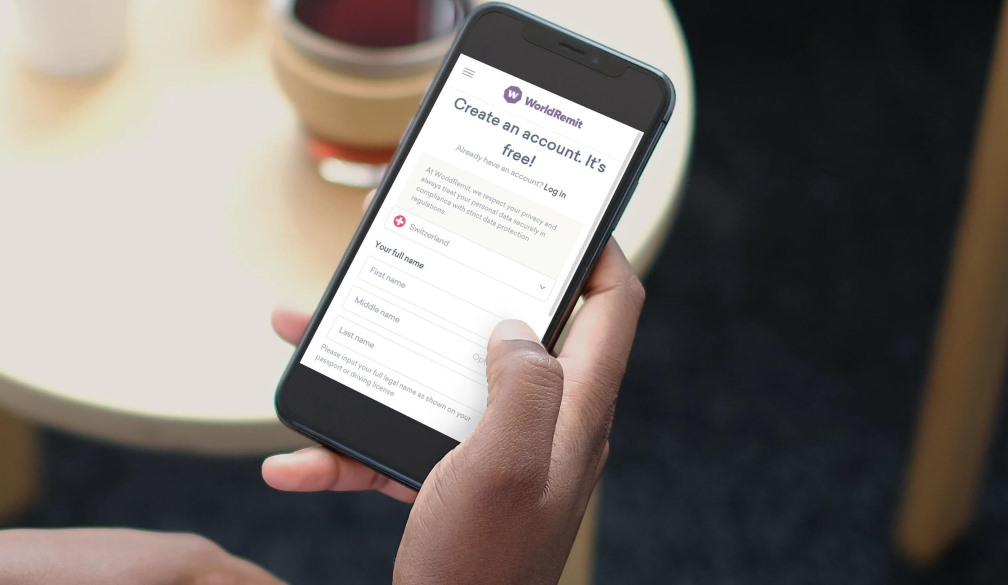
WorldRemit, leading global payments company, shares their top tips to keep top of mind when sending money abroad. Money transfer and e-wallet apps have turned our smartphones into mobile payment devices. We can now quickly pay for goods and services on-the-go without cash or bank cards. Money transfer apps are becoming the new norm and it is easier than ever to send money to family and friends in other countries. Australians and New Zealanders can make payments from the comfort of their homes or on-the -go without having to enter a physical bank or store.
According to KNOMAD data, in 2020 there was over $5.5 billion AUD sent overseas in remittances, helping family and friends abroad. With such vast amounts being sent across the globe, WorldRemit shares their top tips for every Aussie to know before sending money abroad.
As with any modern tech, there are a few things to bear in mind in terms of online security whilst sending or receiving money from abroad, especially to ensure sensitive data and money are secured. Whether you're a first-time sender or frequently send money overseas, Scott Eddington, WorldRemit APAC Managing Director wants to remind you of some top tips.
- Secure your email address
Most companies require an email address to set up an account, therefore it’s important that you ensure that your email is protected with a strong password to prevent anyone from gaining access to not only your emails, but any apps you use via this address. Strong passwords include a combination of lower and uppercase letters, numbers, and symbols, it’s also important to ensure that you don’t use the same password for multiple applications.
- Avoid public wi-fi
Although it seems convenient to connect to a public wi-fi to make a quick money transfer, the open access can be a security threat, allowing unauthorised users to intercept your sensitive personal information or gain access to your device. It is recommended to avoid logging into online banking or money transfer apps, or managing your mobile wallet using a public network.
Instead, either waiting until a secure wi-fi network is available, or using mobile data, is the safest way to use money transfer apps while you’re out and about.
- Research the app you’re downloading
Before you download a money transfer mobile app, try to find more information about the company online. If there is little to no online presence, stay away from it. On social media, always look for the verified "blue tick" next to the business name. Last year, WorldRemit launched a Transfer Tracker App which allows recipients of money transfers to track their funds. The app is free to download through the Google app store in several countries including India.
- Keep your operating system up to date
Whenever your smartphone's operating system, internet browser or applications notify you that there are updates available, be sure to install them as soon as possible.Many of these updates are fixing bugs or weaknesses in order to help you stay safe online.
- Use a pricing comparison tool to get the best deal
Scott Eddington, WorldRemit APAC Managing Director says “sending money overseas for the first time may seem like a daunting task, but it’s actually easier now than ever before.”
“With WorldRemit, you can send in 70 currencies to more than 130 countries worldwide, in a safe and secure manner, and it can be done within minutes - it’s as easy as sending a text message.”
“If it is your first-time sending money to your loved ones overseas, we have customer service advisers available to help 24/7, to make your money transfer journey as seamless as possible.””
WorldRemit is a leading global payments company. WorldRemit disrupted an industry previously dominated by offline legacy players by taking international money transfers online - making them safer, faster and lower-cost. The company currently sends from 50 countries to 130 countries, operating in more than 5,000 money transfer corridors worldwide and employing around 1,200 people globally.
On the sending side WorldRemit is 100% digital (cashless), increasing convenience and enhancing security. For those receiving money, the company offers a wide range of options including bank deposit, cash collection, mobile airtime top-up and mobile money.
Backed by Accel, TCV and Leapfrog – WorldRemit’s headquarters are in London, United Kingdom with regional offices in the United States, Canada, Australia, Hong Kong, Singapore, Malaysia, the Philippines, South Africa, Somaliland, Uganda, Kenya, Rwanda, Tanzania, Zimbabwe and Belgium. For more information visit: https://www.worldremit.com/en