Achieve the Perfect Smile with Incognito Braces
- Written by: NewsServices.com
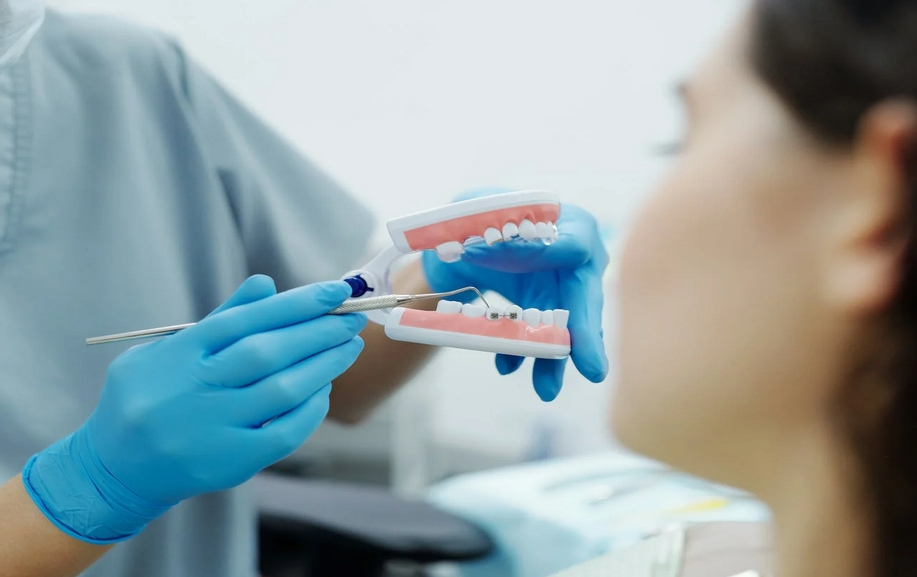
Incognito braces offer a discreet way to achieve the smile of your dreams. This modern orthodontic treatment is ideal for busy individuals who want to straighten their teeth without the hassle and embarrassment of metal brackets and wires. Incognito braces are placed behind the teeth, so they are virtually invisible when you smile or talk. They are also very comfortable, as they use customized brackets that fit perfectly over each tooth. With incognito braces, you can get a beautiful and healthy smile without anyone even knowing you're wearing them! Embarking on the journey to a beautiful and healthy smile with Incognito braces is made even more seamless when guided by a professional dentist in henderson nv. The expertise of a local dental professional ensures not only the effectiveness of this discreet orthodontic treatment but also a personalized and comfortable experience tailored to your unique dental needs.
History of Incognito Braces
Incognito braces are a type of orthodontic treatment that has revolutionized the way people straighten their teeth. Unlike traditional metal braces, Incognito braces are completely hidden behind the teeth and can only be seen by your orthodontist or dentist. This makes them an attractive option for adults and teens who want to maintain their appearance while undergoing treatment. But how did these revolutionary braces come about? Let's take a look at the history of Incognito braces and how they have changed the way people think about orthodontic care.
The idea for Incognito braces was first developed in 2006 by German dentist Jürgen Schulz-Dornburg. He wanted to create a type of removable brace that would fit snugly behind each individual tooth – something that didn't exist at the time. After several years of research and development, he was able to produce a prototype brace made from gold-plated titanium alloy which he named "Incognito".
In 2008, Schulz-Dornburg partnered with 3M Unitek – one of the world's leading suppliers of dental products – to mass produce his invention as part of their new range called ‘lingual’ or ‘invisible’.
Benefits of Incognito Braces
Invisalign, also known as Incognito braces, is a revolutionary orthodontic treatment that has recently become popular among people of all ages. This is due to the many benefits of using this type of braces for both adults and children. Invisalign aligners are made from clear plastic and have been designed to fit snugly over the teeth without being noticeable to others. The aligners can be removed or adjusted easily allowing for greater flexibility in treatment than traditional metal braces.
The first major benefit of Incognito braces is the improved aesthetics they provide compared to metal braces. As Invisalign aligners are transparent, they blend into your smile more naturally than traditional metal wires and brackets. This makes them less conspicuous when you're speaking or smiling, so you don't have to feel self-conscious about your appearance throughout your orthodontic treatment process.
Another great benefit of Incognito Braces is how comfortable they are compared with traditional metal ones. The smooth plastic material used in their construction ensures that they don't rub against the soft tissues inside your mouth like conventional brackets do, reducing irritation and discomfort during long-term wear.
Types of Incognito Braces
When you hear the term “incognito braces,” you may think of a spy or someone who is trying to remain anonymous. But in the world of orthodontics, incognito braces are actually a type of braces that are designed to be barely visible. Incognito braces can be used to treat many different types of malocclusion problems, including crowding, open bite and crossbite.
Incognito braces are an ideal choice for adults who don’t want their orthodontic treatment to be obvious. The brackets and wires used in this type of treatment are made from high-grade stainless steel and are designed to fit snugly against the backside of each tooth. This means that they cannot be seen from the front, giving them a highly discreet appearance.
In addition to being virtually invisible when worn, incognito braces also offer several other benefits over traditional metal bracket systems. For one thing, they require fewer adjustments than traditional metal brackets due to their customized shape and design; this results in fewer office visits for adjustments and shorter overall treatment times for patients. Additionally, because these brackets are made from stainless steel rather than plastic or ceramic materials like other types of clear aligners do not discolour teeth when worn.
Conclusion
In conclusion, Incognito braces are a great choice for those who want to improve the appearance of their teeth without having to deal with visible brackets and wires. The custom-made appliances fit behind the teeth and are discreetly hidden from view, making them an ideal option for adults and adolescents alike. By providing a comfortable experience and effective results, Incognito braces offer an excellent solution for correcting misaligned teeth in a more discreet manner than traditional braces.