Bowel cancer screening test won’t save your life in the drawer - ‘Do the Test’ this June
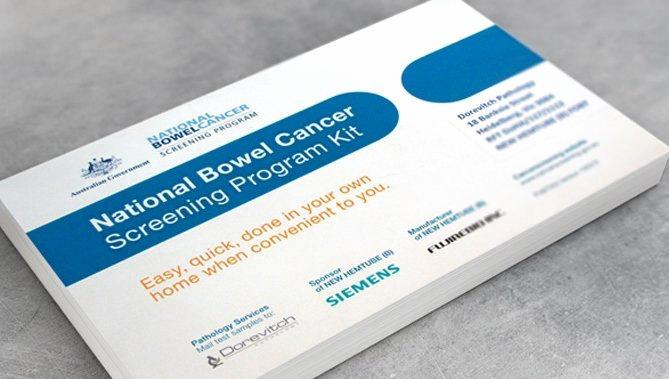
With bowel cancer expected to claim the life of more than 1,800 people in NSW this year, experts are concerned life-saving screening tests could be left sitting in drawers.
The Cancer Institute NSW estimates that between January and June this year more than 100,000 of the potentially life-saving free bowel cancer screening kits sent out have not been returned.
Christopher Horn, Program Manager, Bowel Screening, Cancer Institute NSW, said, many people receive the bowel cancer screening test kit in the mail and stick it in a drawer and think they might do it later.
“The fact that there could be more than 100,000 of these life-saving kits sitting in junk drawers next to old phone chargers and pizza flyers should be a real wake-up call,” Mr Horn said.
“This June, we are urging people to get their kits out of the drawer, check the expiry date on the back of the kit, and Do the Test. It could save your life.
“If your kit has been in the drawer for some time, make sure to check the expiry date. If it’s expired, you can contact the National Cancer Screening Register online or call 1800 627 701 to have a free replacement bowel cancer screening kit mailed to you.
“Bowel cancer is the second biggest cancer killer in NSW. But if it’s found early it can be successfully treated in more than 90 per cent of cases.”
The National Bowel Cancer Screening Program sends a bowel cancer screening test kit to all eligible Australians aged 50 to 74, every two years. This free kit, which can be done at home, can detect cancer early and, in some cases, help to prevent cancer by picking up changes before symptoms develop.
Rosie, 53, who had a polyp detected and removed after completing the free bowel cancer screening test, said when she did the test, she was fit and healthy with no symptoms.
“When I turned 50, I received the free bowel cancer screening kit. I didn’t think I needed to do the test. Then the test results came back, and something had been detected. When I received the all-clear it was a huge relief knowing I had prevented a cancer from occurring,” Rosie said.
Mr Horn said that despite the increased risk, those in their early 50s have significantly lower screening rates compared to older age groups.
“We know the single biggest risk factor for getting bowel cancer is getting older. Receiving a bowel cancer screening kit on your 50th birthday may be confronting or unwelcome, but to be honest, it’s a gift that could save your life,” Mr Horn said.
John, 54, who received the free bowel cancer screening kit on his 50th birthday was keen to do the test as his father had passed away from bowel cancer.
“The test is really easy to do, it’s like being your own little scientist. I am always telling my mates when you get the test in the mail do it straight away, don’t delay,” John said.
“The bowel cancer screening kit won’t save your life in the drawer. Do the Test today. We know that people who start doing the test tend to continue with this good habit when the kit arrives in the post every two years,” Mr Horn said.
Over the past five years, the NSW Government, through the Cancer Institute NSW, has invested more than $27million in bowel cancer, including for public awareness and education campaigns, and grants to local community and health organisations to promote bowel cancer screening.
For more information on bowel cancer screening, visit dothetest.com.au. If you have any symptoms or change in bowel habits, please talk to your GP.