Car subscription offers part-time workers access to a car during COVID-19
- Written by: Morey Media
New research commissioned by Carly, Australia’s first flexible car subscription provider, surveyed more than 1200 Australians and found that 48% of part time workers would consider car subscription instead of buying a car with the current upheaval in the Australian economy.
Car subscription is emerging as a genuine alternative to car purchase and leasing across the country, with almost four in 10 Australians (38%) now considering subscribing to a car. The impact of COVID-19 on the economy has Australians re-considering their financial commitments and how they can de-risk their finances.
Highlights of Carly’s research:
38% of Australians would consider subscribing to a car rather than purchasing or leasing a vehicle
This shift towards subscription is more prevalent in part time workers, where 48% of part-time workers now considering car subscription compared to full time workers (44%) or people not working at all (28%)
69% of 18-34 year olds would consider car subscription, with a preference of no-strings-attached subscription option, suggesting it is attractive to those either young or currently studying
48% of those considering car subscription have either a university degree or are currently studying at university
Of the 31% of Australians currently extremely or very worried about their financial situation due to the pandemic, 46% would consider car subscription, and 24% are more likely to choose it now.
Part time workers face difficulties securing finance for a car, especially those that are currently being paid under JobKeeper. Car subscription can circumnavigate that obstacle with minimum risk and no need for a deposit. The two key features of “capped costs” and no deposit make it financially viable for part-time workers to have access to a car without the risks associated with being locked into a lease or loan.
‘Car subscription is a serious consideration for many Australians at the moment as they look at different ways to access a car in light of COVID-19,,’ says Carly CEO Chris Noone. ‘For more Australians than ever, a subscription model presents a familiar and risk-free alternative to a big financial outlay and our figures support this with, with a 43% increase in subscriptions in June (vs. March 2020). “
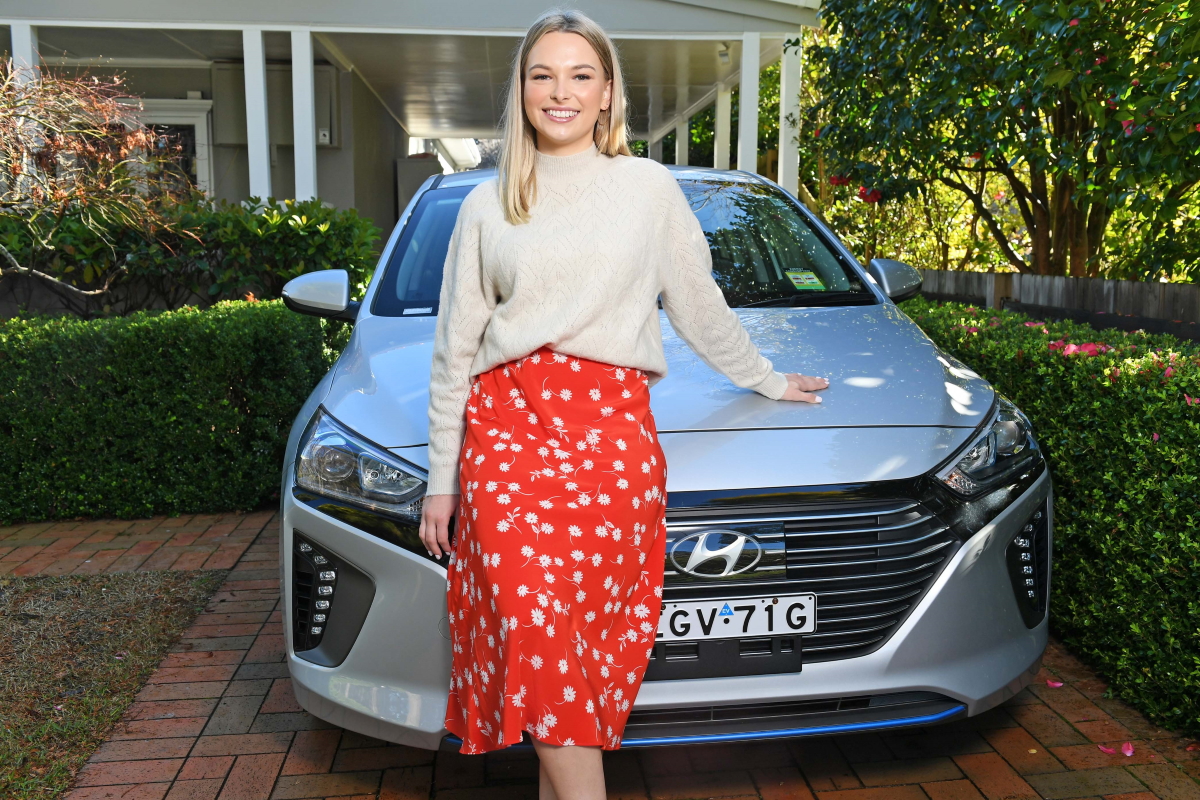
Sydney-based part time retail worker and university graduate, Sophia Phillips (23), found herself without a car when her vehicle was suddenly recalled due to faulty airbags at the beginning of March. At the same time, her retail shifts were being cut due to the pandemic, so she wasn't in a financial position to commit to purchasing a car. Sophia wanted to avoid public transport but still needed to get into work, go to the gym and meet up with friends. For Sophia, a car subscription was the ideal solution.
‘I rely heavily on my car, especially when travelling to and from work. My hours vary each week working in retail and while I am not always travelling in peak hour, I still do not want to be taking public transport if I can avoid it,’ Sophia explains.
‘I think a lot of people would still prefer to drive, so Carly is one way you can do it without the long-term financial commitment or worry about hidden costs, as everything like rego, insurance, maintenance and road assistance is all included. It makes managing a budget easy.’
The survey also revealed that 31% of Australians are now extremely or very worried about their financial situation. Of that group, 46% would consider car subscription and 24% are more likely to choose it now, confirming the real growth potential for car subscription in the current economic climate.
“Part time workers in retail and hospitality have been significantly impacted and while JobKeeper and JobSeeker have been keeping many people afloat, the unknown about future employment and income is daunting.
‘Our research indicates that the conventional wisdom of long-term car ownership is fast losing ground, accelerated by the impact of COVID-19. In the current recession, spending big on material possessions like cars – or taking out loans to eventually own them – is now considered a risky move,’ says Noone.
‘Australians are turning their attention to car subscription because the financial risk is negated by the ability to stop their subscription at any time, without any financial penalty – at Carly, you just need to give 30 days’ notice. This is the perfect card to have up their sleeve to immediately alleviate expenses should their employment or financial circumstances change. Carly’s unique offering of no upfront fee or deposit further mitigates risk in the minds of Australian consumers.
‘While the full impact of COVID-19 on the economy is still unknown, Carly’s flexible vehicle access and no-deposit offering is an appealing, low-risk financial solution for Australian consumers recession-proofing their lifestyle,’ says Noone.
About Carly:
Carly is Australia’s most flexible monthly car subscription, providing the freedom to switch your car to suit your lifestyle. Choose from multiple brands economy to luxury, hatchback to SUV. There are no hefty upfront fees or long-term lock-in contracts, and registration, servicing and maintenance are included. Start, change or stop your subscription at any time. It’s more car, less hassle. Join today, drive tomorrow. Simple.