How to Choose the Right Solar Panel System for Your Home
- Written by: The Times
Deciding on the right solar panel system for your home can be quite tasking. To be overwhelmed, the following are some of the potential choices one can select from; However, with the right information, one is able to make the best decision best suited for his or her needs, his or her pocket and lifestyle. Below are some of the session guidelines to guide a would-be solar panel system buyer towards making a wise decision:
1. Understand Your Energy Needs
The first thing that should be done while selecting the correct photovoltaic system is determination of one’s power requirements. Assuming none has been done before, begin by compiling data from electricity bills of your establishment for the current financial year. This will give you a feel of how much power the house consumes within a month on the average. Just remember that your energy consumption fluctuates depending on a season and to get an accurate picture you should look at the data for a year.
When you have the understanding of your energy requirement, you can then think about the proportion thereof that you would wish your solar panel system to supply. Some people opt to have a system that will be able to cater for all their energy requirements while others just opt for a partial system that will only cater for a certain percentage of the energy they require. Consulting with a solar panel company can help you make the best decision for your needs.
2. Roof’s Condition
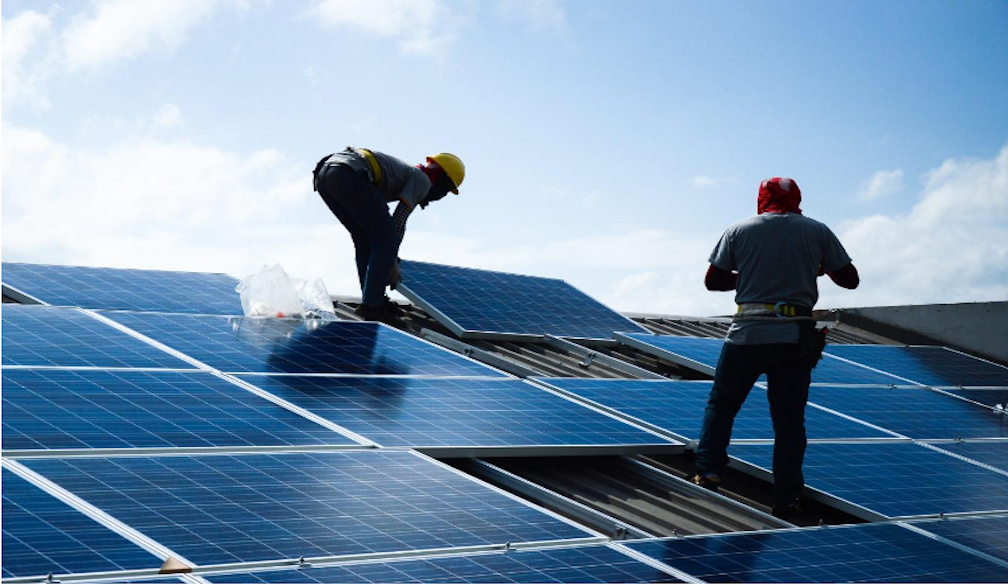
Solar system depends very much with the roof as the roof is the primary area where the solar panels are placed. In as much as you would love to engage an expert in the installation of the solar panels, there are factors that you should consider first and these include; If the roof is old or has some issues, it would be advisable to replace the roof before putting the solar panel. Installing a new roof will be valuable in making sure that the solar panels are installed rightly and they will last for a long period.
Besides, the direction or tilt of the roof you intend to install solar panels affects the efficiency of the panels. The effectiveness of Solar panels is most realized when installed on a roof that is in the south and at a tilt of between 15-40°.
But if you have an east-west roof, solar panels can still work to a degree and may produce less power but it should work for most households residences.
3. Determine the Solar Panel Varieties
Monocrystalline Solar Panels: This type of solar panels are completely designed from crystal silicon which offers the best efficiency than others. Today's highest-efficiency solar panels are monocrystalline silicon, which produce the most energy per square foot of space. But they are the costliest as well.
Polycrystalline Solar Panels: These are built using multiple crystalline structures. They are not as efficient as monocrystalline panels, but you also pay less. If you have a larger roof and don't need the highest efficiency panels, consider polycrystalline attributable to their lower cost.
Thin-Film Solar Panels: These panels comprise a number of different materials including amorphous silicon, cadmium telluride and copper indium gallium selenide. These are the least efficient when it comes to your solar panels, but also costing less than monocrystalline. This is another cheap and easy to produce type, which offers all the advantages of flat plate panels without their size restriction; where a flat panel does have larger surface area only thin-film are very flexible.
If you’re looking for a high-efficiency option, consider Canadian Solar 440W panels, which combine excellent performance with cost-effectiveness.
4. Choose a Grid-Tied, Off-Grid or Hybrid System
You will also have to decide whether you want a Grid-tied, Off-Grid or Hybrid Solar Panel System.
Grid-Tied Systems — These systems are connected to the electrical grid. When your power needs are less than the energy produced by your solar, so this excess unnecessary in-house consumption will flow to grid you may receive a bill credit for that. So if your solar panels are underproducing, you can pull electricity from the grid. Most of the time when we think of solar panel systems, grid-tied is what comes to our mind for they are both cheapest forms out there.
Off-Grid Systems : These systems are off the grid. Instead, they rely on batteries to hold extra power for when the clouds roll through. Off-grid systems are ideal for locations where grid connection is not possible. Although they are highly reliable, the downsides of off-grid systems is that they cost more than grid-tied type and take some proper maintenance.
Hybrid Systems- This is a mix of the grid-tied system and off-grid systems. These are grid-connected but come with battery options as well. Also, they have a few features of both grid-tied and off-grid systems which are known as hybrid system for power stability & wasted energy. But they are also the costliest of all.
5. Consider the Price and How You Will Pay for It.
How much does a solar panel cost The price of the photo voltaic system will depend on various factors, such as its size or power (in K W), type of plates and also costs with installation. Like any major home improvement project, request bids from several solar installers to get the best price.
Aside from the one-time initial cost, a variety of financing options exist for going solar:
Solar Loans: This kind of helps you by being able to fund the expense that occurs from your solar panel system. You pay month by month over a period about the quarter and most of the time your monthly bills even less than what you normally have for electricity.
Solar Leases – A solar lease allows you to make monthly payments, but the company that leases it owns the system. That is, in place of paying each time you use the system, just pay a monthly subscription fee. They install and maintain the system, you get lower electricity bills. On the other hand, you cannot qualify for certain incentives and rebates because it is not your system.
So, what are Power Purchase Agreements (PPAs)…well, a PPA is somewhat similar to leasing your solar panel system instead of owning. Alternatively, you will enter into an arrangement whereby the electricity generated by the system is sold to you at a fixed price. You are purchasing the power generated by their solar system that they own and maintain, with savings applied as a credit to your electric bill. If you are looking to go solar with no money down, PPAs can be a good solution.
6. Selecting the Right Solar Installer
The way your photovoltaic panel system is installed can play a large duty in how well it carries out as well as the length of time you will be able to utilize it. Selecting a trustworthy solar installer matters too and this is where all those positive reviews prove useful. Find a qualified one — A licensed, insured and industry certified installer.
One can also obtain recommendations from past customers while hiring an installer. That way, you will know their background and the kind of work they do.
7. Consider the Warranties
Solar Panel Warranties are the Most Important All solar panels also come with a performance warranty which insures that the panel will produce energy at an expected rate over time (usually 25 or 30 years). Aside from the performance warranty, you also need to take into consideration a workmanship warranty that protects against errors made while installing your system.
The opinions expressed externally provided commentary on the arbitration process, as well as whether or not a warranty is valuable when it comes down to protection against potential pitfalls with your system.
8. Plan for Maintenance
Although solar panel systems are virtually maintenance-free, you must anticipate that periodic upkeep will be necessary. They are washing the panels to get rid of dirt or dust and examining how it operates for indicators of degradation.
Solar panel systems are equipped with monitoring software to follow the system's performance live. It will be possblie for you to catch issues earlier and make sure that your system is running at utmost performance as required.
Conclusion
The whole idea of picking out the perfect solar panel system for your home can feel like a lot, but hopefully it is somewhat less so now. Whether you want to install solar panels or not depends on how well you understand your energy needs, the health of your roof, and the different types of systems out there that simplify installation meant for rooftops; if all align with what matters most in terms of savings over time (research financing options). Be sure to select a quality installer, utilize any incentives available, and prepare for the future of energy. Using the perfect setup, youll move towards taking pleasure in some great benefits of solar power.