Why it Makes Sense to Choose Artificial Grass for Your Home Landscaping Needs
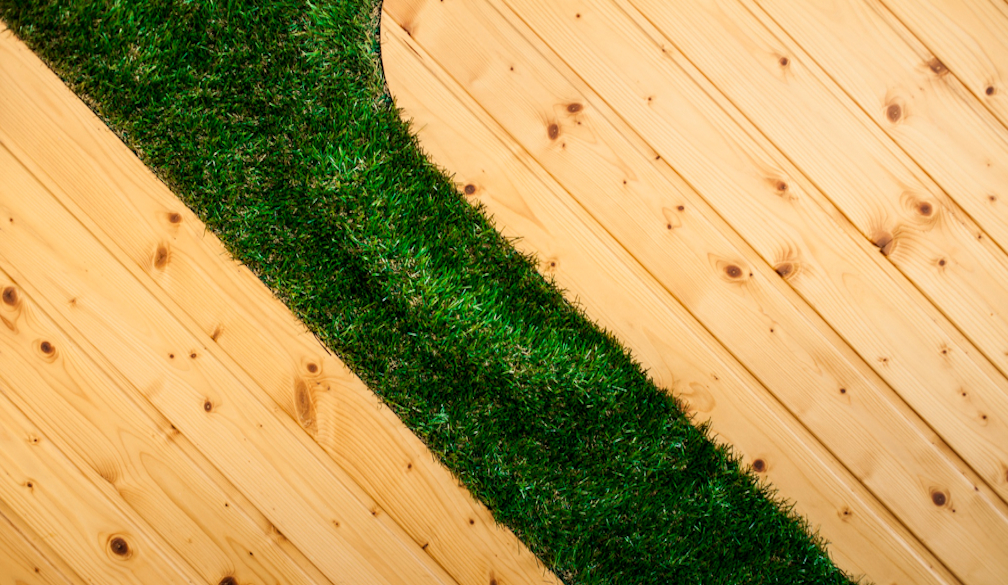
Artificial grass has become a popular choice among homeowners wishing to enhance their garden areas. Artificial grass has a lush green look and requires no upkeep, making it ideal for landscape projects. Whether you want to create a lovely garden or an immaculate lawn, artificial grass is a versatile option that can improve the beauty of your surroundings while requiring less time and work to maintain.
Durability and Longevity
One of the primary benefits of artificial grass for landscaping is its resilience and lifespan. Unlike real grass, which can grow unevenly and even deteriorate over time, artificial grass keeps its lush appearance year-round. Artificial grass is made of high-quality materials that are resistant to fading, UV damage, and heavy foot traffic, making it a sound choice for homeowners who want a beautiful lawn without the hassle of continuous maintenance. With care, artificial grass can last for many years, making it a worthwhile investment over time.
Low Maintenance Requirements
Another convincing argument for using artificial grass for your landscaping needs is its low care requirements. Unlike real grass, which requires frequent mowing, watering, and fertilising, artificial grass takes little maintenance to keep it looking great. Simply brush and rinse the grass periodically to eliminate dirt, and your lawn will remain green and bright without requiring any further upkeep. This makes artificial grass an excellent alternative for those with busy schedules or those who want to conserve water and use fewer chemicals.
Year-Round Beauty
Artificial grass will keep your garden beautiful all year round, regardless of the weather. Unlike real grass, which can turn brown and go dormant over the winter, artificial grass retains its vivid green colour all year. This ensures that your garden area remains pleasant and well-kept whatever the season, creating a lovely backdrop for all your outdoor activities. Artificial grass allows you to enjoy a lush, green lawn all year long without the need for regular upkeep or reseeding.
Environmental Benefits
Choosing artificial grass for landscaping also offers you a number of environmental benefits. Artificial grass does not need watering, mowing, or chemical treatments. It also reduces air and noise pollution from lawn mowers and the use of toxic chemicals that can leak into the soil and rivers. Furthermore, artificial grass is normally made from recycled materials, further reducing negative effects on the environment. By using artificial grass, homeowners can create a lovely outdoor space while at the same time reducing their environmental impact and contributing to a more sustainable future.
Versatility and Customisation
Finally, homeowners can benefit from a wide variety of options and the possibility of customisation with artificial grass. Artificial grass comes in a range of textures, colours, and pile heights, allowing you to personalise it to your individual landscaping preferences. Whether you want to create a lush lawn, a pet-friendly play area, or a rooftop garden, fake grass can be laid almost anywhere to improve the beauty and utility of your outdoor space. Artificial grass's adaptability and customisation choices allow you to create an unlimited number of wonderful landscaping styles that match your taste whilst also adding to the beauty of your property.