How Epoxy Flooring Can Be a Worthwhile Investment
Epoxy flooring is increasingly being recognised as a savvy investment for both commercial and industrial spaces. Its remarkable durability, coupled with its visual appeal, has made it the leading choice for commercial settings that demand both functionality and style.
This guide explores why incorporating epoxy resin flooring can rejuvenate both the look and feel of your business premises.
Unpacking the Benefits of Epoxy Flooring
Epoxy flooring is in a league of its own when it comes to durability and resistance to wear and tear, even under strenuous conditions. It is designed to withstand relentless footfall, intense weight loads, and frequent exposure to harmful substances, making it ideal for places like warehouses, factories, and retail spaces.
Additionally, its smooth and glossy finish not only enhances the ambience of an area but also makes spaces appear larger. The floor’s characteristic smooth finish also means easier cleaning and maintenance, with no grout lines or crevices for dirt and bacteria to accumulate.
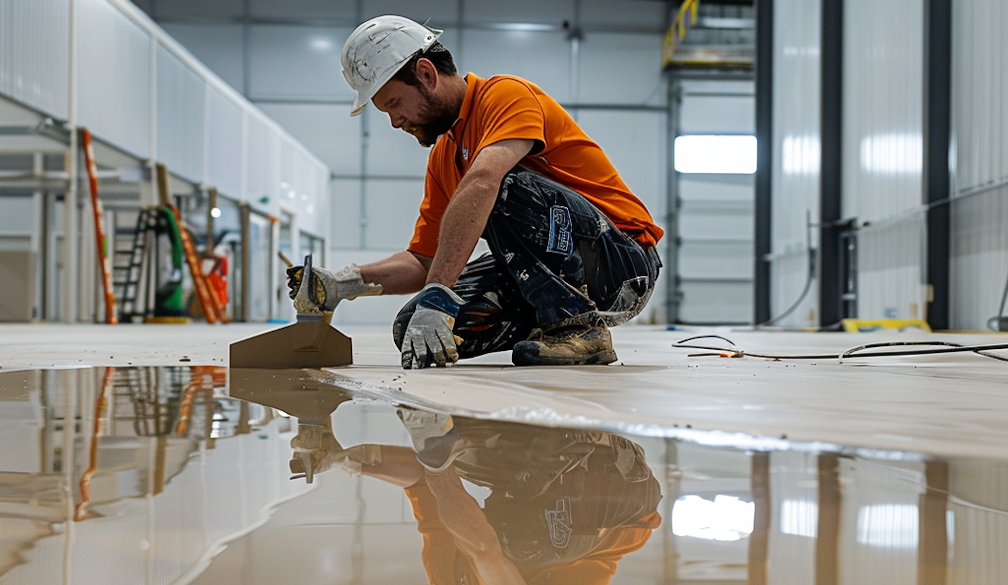
Epoxy flooring is quickly becoming the preferred choice for business owners
Customisation and Aesthetic Appeal
One of epoxy flooring’s major selling points is that it can be made to look exactly how you want. The floor’s core ingredient can be mixed with colours and metallic flakes to create a unique look that can align with company branding or aesthetic preferences.
This enhancement flexibility also facilitates more practical benefits such as adding safety lines and logos directly into the floor, making a further enhancement to the appearance of your workspace.
Installation Insights: Ensuring Optimal Performance
The proper installation of epoxy flooring is crucial to its longevity and effectiveness. It’s a process that begins with surface preparation, which typically involves cleaning and levelling the concrete base. Following preparation, a professional installer will apply the epoxy coating in a smooth and even layer that bonds effectively with the base.
This meticulous application helps avoid common issues such as bubbling or peeling, minimising the risk of any issues occurring further down the track.
Maintenance Practices for Longevity
Maintaining your epoxy floor coating is something that anyone can do. Keeping on top of the basics like regular sweeping and mopping is sufficient to keep the surface looking pristine. For industrial environments, where the floor may be subjected to more vigorous wear and tear, periodic topcoat applications can rejuvenate the surface and extend its life even further.
Another step you can take is to only use gentle cleaning reagents along with soft bristled brushes to preserve the integrity and shine of the epoxy coating.
Evaluating Durability in Demanding Environments
Epoxy floors are renowned for their ty to withstand the demands of every industrial setting. Whether subjected to the constant movement of heavy machinery or the daily bustle of frenetic retail spaces, epoxy flooring maintains its integrity and appearance.
Its ability to resist stains, chemicals, and mechanical wear makes it an enduring choice that won’t need to be either repaired or replaced any time soon.
Cost-Effectiveness and ROI
While the initial investment in epoxy floors may be higher than some alternatives, the long-term savings speak for themselves. Its longevity means that the cost per year of use is lower than that of traditional flooring solutions, which might need more frequent replacement.
The ease of maintenance and the ability to create a bespoke design catering to specific business needs provide additional value, making epoxy flooring a financial decision that will pay for itself over time.
Enhancing Safety and Hygiene with Epoxy Flooring
Industrial epoxy flooring contributes significantly to safety and hygiene standards, making them suitable for every use case imaginable. Its impact resistance eliminates the cracks and crevices where bacteria and mould can proliferate, making it an excellent choice for facilities prioritising cleanliness, such as hospitals, food processing plants, and pharmaceutical factories.
Furthermore, epoxy coatings can be further enhanced with anti-slip additives, reducing the risk of accidents in areas where people frequently come and go. These safety features make epoxy floors not only easier to maintain but also safer for employees and visitors, contributing to a healthier workplace environment.
Sustainability: Eco-Friendly Aspects of Epoxy Flooring
Choosing commercial epoxy flooring also aligns with environmentally conscious building practices. Epoxy coatings are long-lasting, reducing the frequency of renovations and the associated waste and environmental impact of replacing flooring materials. Furthermore, certain epoxy formulations include low or no volatile organic compounds (VOCs), which minimise air pollution and improve indoor air quality.
For businesses committed to sustainability, epoxy flooring offers a durable solution that supports eco-friendly initiatives while ensuring that the flooring can withstand the rigours of everyday use without frequent replacements.
Conclusion: Making the Smart Investment in Epoxy Flooring
Epoxy flooring is universally acknowledged to be a strategic investment in the durability and aesthetics of your business environment. From its robust performance in industrial applications to its sleek design options for retail spaces, epoxy offers a compelling blend of strength, style, and cost-efficiency.
Whether you are refurbishing an existing space or planning a new construction, consider epoxy flooring as a worthwhile enhancement to your commercial or industrial property. With so many business owners raving about its versatility and performance, epoxy flooring stands out as a top choice for business owners looking to make a long-term investment in their infrastructure.