CONSCIOUS CONSUMERISM ON THE RISE THIS CHRISTMAS
Report from pioneering ethical brand The Body Shop prompts discussion on making Christmas more meaningful as 80% of Aussies/ 84% of Kiwis now consider impact of festive purchases.
Change making brand The Body Shop is calling out the impact of Christmas to prompt people to consider how they can make the festive season more meaningful, and spark conversation about ways we can have a more positive impact on the planet, and its communities.
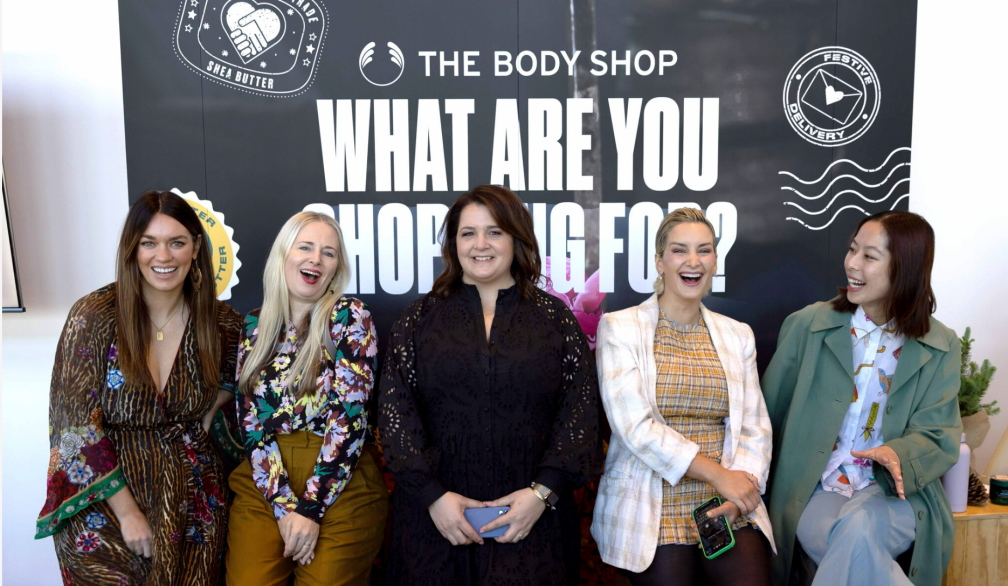
At an ethical Christmas event in Sydney celebrating the company’s Community Fair Trade partners, APAC Brand and Activism Director at The Body Shop, Shannon Chrisp announced the findings of the brand's “Conscious Christmas report”.
“In the Pacific, we are acutely aware of the negative impacts of climate change, and we’re among some of the most conscious consumers in the world.[1] We also want to make changes to do the right thing; 80% of Aussies and 84% of Kiwis already think about the impact of their festive purchases”
“But it’s often cited that the overconsumption of food, unwanted gifts and packaging means we generate between 30-50% more waste at Christmas” Chrisp says “and how many of us really know where our gifts are made, who is making them and if they’re being paid fairly?’
The Conscious Christmas report shows Aussies and Kiwis are heading in the right direction when it comes to ensuring that a fairer Christmas for all - the planet, and communities around the globe - is within reach.
The good news? We are actively looking to do better:
- * A third (34-38%) want to support businesses that do good this festive season
- * Over half (58%-61%) want to support local businesses this Christmas
- * Two- fifths (38-39%) say reducing their impact of the environment this Christmas is a top priority
- * 62% want to purchase gifts that clean up the planet
However, the festive season also brings unique time, stress and financial challenges that hinder conscious consumption. Across Australia and New Zealand, over 4 million consumers (29%) say they find Christmas the most challenging time of year to shop sustainably".[2]
The results also showed that:
- * The perceived cost of buying items with a positive impact (35-39%) and lack of information on the impact of their purchases (20-24%) are cited as key barriers
- * One in five (22-23%) say they don’t have time to think about the impact of all their Christmas purchases
- * By the time we reach Christmas Day, 1.8 million gifts will have been bought knowing they’ll be thrown away by the recipient
- * A third (31-34%) say they purchase more single-use items at Christmas than other times of the year.
- * Over half 52-58% say they value Christmas traditions that aren’t good for the planet such as single-use crackers.
Ms Chrisp added: “The silly season is synonymous with excess. We want to ask people to think about what impact their Christmas shopping really has. It’s not about being the Christmas grinch, it is about accessible, doable changes and offering alternatives that have a positive impact on people and the planet.
“Are you contributing to the overconsumption problem or being part of the solution? Do you know where your gift was made, and by whom? Is the brand you’re choosing using their platform all year round to make a positive impact on the world?”
The Body Shop’s long standing Community Fair Trade program is the largest in the beauty industry, and focuses on the ethical sourcing of ingredients from skilled artisans who are leveraging wisdoms passed down through generations.
“We work with communities around the world to help them build viable businesses, pay fair wages, educate the next generation and clean up our planet.” says Ms Chrisp.
“This Christmas, we're wishing for a fairer future for all. That's why all our entire Christmas gift collection has authentic connection to our Community Fair Trade partners through ingredients or packaging. Meaning, each time you buy a gift you’re supporting skillful artisans and communities across the globe.”
Amongst the Community Fair Trade partners celebrated in this year’s Christmas range is;
- The Tungteiya Women’s Association in Ghana: which provides Shea Butter for products including The Body Shop’s iconic Body Butters and helps provide financial independence to over 600 women.
- Get Paper Industry, Nepal: which makes The Body Shop’s Christmas gift bags and boxes and supports 7 different schools to help provide a much-needed education for 700 children every year.
- Plastics for Change, India: which employs and works to improve the working conditions and wages of over 2,000 waste pickers who collect the plastic which becomes The Body Shop’s 100% recycled plastic packaging.
- Mexicaloe, Mexico: which supports the Indigenous female farmers who live on the edge of the rainforests, with a sustainable income. Aloe Vera harvested through this partnership is used in products including the The Body Shop’s Maca Root & Aloe Softening Shaving Cream.
The Body Shop’s Christmas gift range is available to purchase now at thebodyshop.com/en-au / thebodyshop.co.nz.
[1] Asia-Pacific consumers are more likely that those in the US and Europe to say impact of the planet is one of their most important factors when purchasing products https://www.bain.com/insights/unpacking-asia-pacific-consumers-new-love-affair-with-sustainability/
[2] Based on latest population estimates Nov 2022