How Australia went from a place where buying a home was easy to hopelessness
- Written by: Times Media
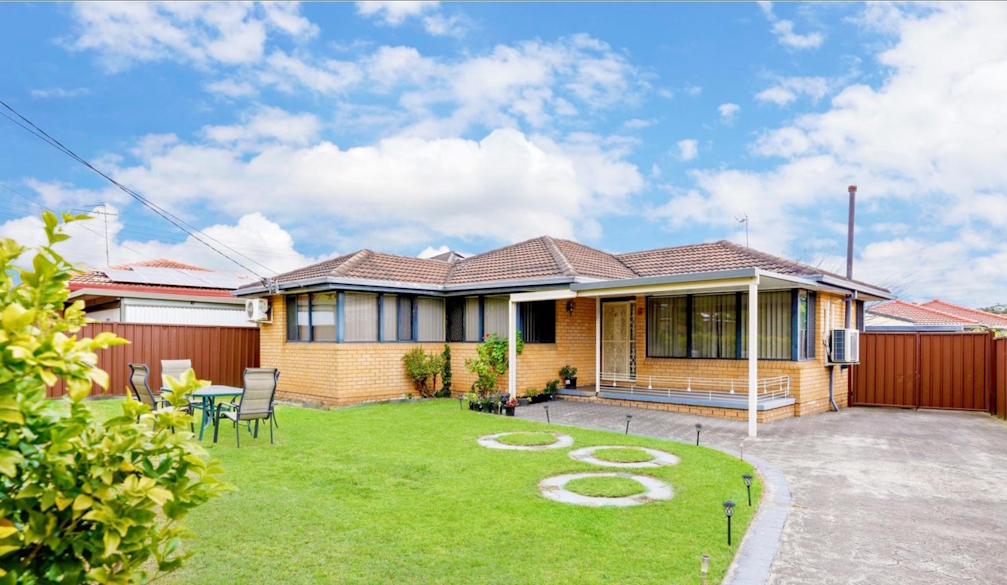
There was a time when Australia was the land of promise. A block of land and a modest house were not luxuries, but milestones within reach of everyday workers. A single income could support a mortgage, and young families were told, with confidence, that the great Australian dream was theirs for the taking.
Today, that dream has curdled into despair. For most, home ownership is no longer a milestone but a mirage—visible but unreachable. How did we get here? The answer lies in decades of political cowardice, reckless policy, and a society that chose speculation over fairness.
From Homes to Assets
In the post-war decades, governments treated housing as essential infrastructure. They released land cheaply, built public housing, and ensured wages kept pace with costs. Houses were homes first, and investments second.
But from the 1980s onward, housing became a financial plaything. Tax perks like negative gearing and capital gains discounts turned bricks and mortar into a casino. Politicians cheered as “mum and dad investors” piled in, conveniently forgetting that every investment property bought was one less home for a family trying to get started.
The Endless Growth Addiction
At the same time, Australia doubled down on rapid population growth without building the infrastructure and housing stock to match. Demand surged, supply stalled, and property prices became untethered from reality. Sydney and Melbourne became playgrounds for speculators, while younger Australians watched the ladder pulled up before they even had a chance to climb it.
Governments That Pretend to Care
Every election, politicians roll out shiny promises: first-home buyer grants, stamp duty relief, shared equity schemes. But these are sugar hits—policies designed to look like help while inflating prices further. The structural problems—investor incentives, lack of social housing, planning logjams—are left untouched. Why? Because the people who benefit most from rising prices are the ones politicians fear to upset: existing homeowners and investors, many of them voters.
A Nation of Renters, A Future of Resentment
The outcome is clear. Home ownership rates are collapsing, rents are skyrocketing, and an entire generation feels cheated. Australia was once the place where a young couple could dream of a backyard, a family home, and stability. Now, it is a place where unless you inherit wealth, you’re condemned to decades of renting insecurity.
This isn’t just an economic crisis—it’s a social one. When people lose hope of owning, they lose faith in the system itself. And that breeds resentment, division, and distrust in government.
What Needs to Change
The fixes are obvious: end tax distortions that encourage speculation, build social and affordable housing at scale, and release land where infrastructure can support it. But none of that will happen until leaders find the courage to challenge the vested interests that profit from the current mess.
Until then, the story of housing in Australia will remain the story of a dream turned nightmare.