This group rid one Australian river of its privet problem – and strengthened community along the way
- Written by: Sonia Graham, DECRA Fellow, University of Wollongong
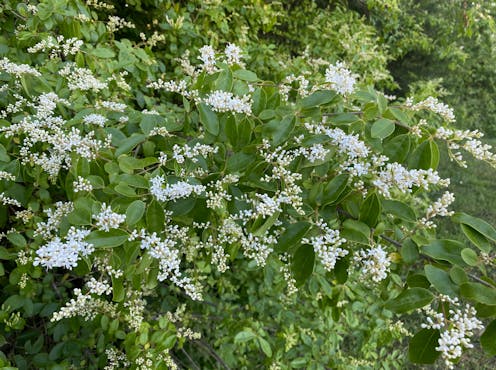
Privet is a popular garden hedge. It grows quickly and responds well to being pruned. But in natural areas, privet is a problem.
Like 72% of weeds in Australia[1], privet escaped from our gardens. Now it wreaks havoc on natural ecosystems. Across south-east Queensland and eastern New South Wales, privet thrives along waterways and rainforest areas. It spreads rapidly and establishes a thick canopy that crowds out native plants[2].
Small-leaved privet attracted much public attention in the late 1990s and was nominated[3] as a “weed of national significance”. Although the nomination was unsuccessful, the damage done by privet has spurred multiple community groups into action.
Deua Rivercare is one such group. These volunteers have been controlling small-leaved and broad-leaved privet and other weeds along a 42 kilometre stretch of river for 20 years. How have they gone the distance? By making it about more than just the weeds.

The beginnings of Deua Rivercare
The Deua River has long held cultural significance[6] and is known for its beauty.
Located a few kilometres inland from Moruya, on the New South Wales south coast, the river divides a national park and state forest. It’s the main source of drinking water for the Eurobodalla region – and serves as excellent platypus habitat.
For years, residents of the Deua Valley paid little attention to weeds. Like most people, they experienced a phenomenon known as “plant blindness[7]”. That is, even those passionate about protecting the bush found it hard to differentiate between native and introduced plants and couldn’t see the damage done by weeds.
That changed in the early 2000s, when a new resident raised concerns about the spread of privet up and down the river. With the help of the local council, they started Deua Rivercare.
 Broad-leaved privet pushes out native trees and shrubs.
John Tann/Wikipedia, CC BY-NC-ND[8][9]
Broad-leaved privet pushes out native trees and shrubs.
John Tann/Wikipedia, CC BY-NC-ND[8][9]
Keys to success
The group began by developing a clear goal: improve and protect the Deua River by controlling habitat-changing weeds.
This goal focused community attention on the much-loved river and limited activities to the worst weeds, such as privet, cassia and wild tobacco.
The Rivercare group worked closely with the local council and won environmental grants so they could pay contractors to remove weeds in hard-to-reach places.
Having a clear goal and sufficient funding is important for a community group. But my research has found[10] these alone aren’t enough to build and sustain action. What matters is structure and social connection.
For Deua Rivercare, it took years and the commitment of another long-term resident to find the right balance between working towards environmental outcomes and providing social benefits.
Read more: Four reasons why restoring nature is the most important endeavour of our time[11]
First, working bees became regular. The group chose to meet on the first Saturday of each month, advertised through a letterbox drop and a roadside sign. Knowing when working bees would be made it easier for residents to attend.
Second, working bees became about more than controlling weeds. Adding a morning tea to the end of each event gave residents a reason to chat, connect and reflect on what they had achieved. Over time, this social aspect has been critical to drawing new residents to the group, and keeping long-term members engaged.
Third, group members visited every landholder in the valley and invited them to join the group. The coordinator made it clear that everyone’s contribution would be valued, no matter how big or small. The visits also helped identify who needed help with weeds and plan where future working bees would be held.
Monitoring of the riverbank condition by kayak has shown where weed control has been most effective and where further work is needed.
Over time, the group has demonstrated significant ecological benefits, having reduced “woody weeds”[12] including privet by 90%.
 The secret of an enduring environment group? Build up social connections.
Deua Rivercare, Author provided (no reuse)
The secret of an enduring environment group? Build up social connections.
Deua Rivercare, Author provided (no reuse)
The hidden social benefits of removing privet
The social connections built by Deua Rivercare helped helped residents endure the Black Summer bushfires as well as the subsequent floods and landslips.
When the Clyde Mountain fire swept through the Deua Valley in January 2020, group members who lived in Moruya provided shelter to those who had fled their homes.
After the fires, the group cleared burned out cars, replanted native vegetation and pulled out new weeds which sprang up afterwards[13].
They have also provided much needed social support. As one respondent told me:
We don’t make a point of saying, “Oh, we’ll go and have a cup of coffee.” We say: “Let’s go weeding.” So, we weed… And sometimes there’s tears about something halfway through the bush, and they’ll tell you something that’s been worrying them… It’s a comforting time as well
4 key lessons
Deua Rivercare has lasted two decades because of four key factors:
1. Leadership is shared
The roles of recruitment, grant writing and communication are distributed among those who are most keen and capable.
Having someone who is highly knowledgeable about plants is also important. This kind of expertise draws others in[14], offering people a way to learn more about the environment and overcome plant blindness.
2. A clear goal
Groups need a focused and an achievable goal[15]. For Deua Rivercare this began small, before expanding over time to cover a 42 kilometre stretch of river. Other groups may focus on smaller areas.
What is achievable depends on the nature of the weed problem, funding and the number of people available to help.
3. Regular and strategic activities
This approach divides the focus area into smaller management zones. Areas need to be small enough that they can be effectively controlled through working bees or contractor efforts.
It’s crucial the group does monitoring to demonstrate progress and keep the motivation going[16].
4. Social connection is crucial
Ultimately, environmental success depends on social connections. So if you want to start a new group, you need to think about what your volunteers get out of it – as much as how nature will benefit.
This story is part of Making a Difference, a new series on community efforts to restore nature. Read the other story here[17]
References
- ^ 72% of weeds in Australia (www.gardeningresponsibly.org.au)
- ^ native plants (weeds.org.au)
- ^ was nominated (weeds.org.au)
- ^ Grahamec/Wikipedia (en.wikipedia.org)
- ^ CC BY-NC-ND (creativecommons.org)
- ^ cultural significance (www.environment.nsw.gov.au)
- ^ plant blindness (www.frontiersin.org)
- ^ John Tann/Wikipedia (commons.wikimedia.org)
- ^ CC BY-NC-ND (creativecommons.org)
- ^ has found (link.springer.com)
- ^ Four reasons why restoring nature is the most important endeavour of our time (theconversation.com)
- ^ reduced “woody weeds” (landcare.nsw.gov.au)
- ^ sprang up afterwards (www.abc.net.au)
- ^ draws others in (www.sciencedirect.com)
- ^ achievable goal (par.nsf.gov)
- ^ keep the motivation going (search.informit.org)
- ^ here (theconversation.com)