Ten steps you can take for stronger bones
- Written by: News Company
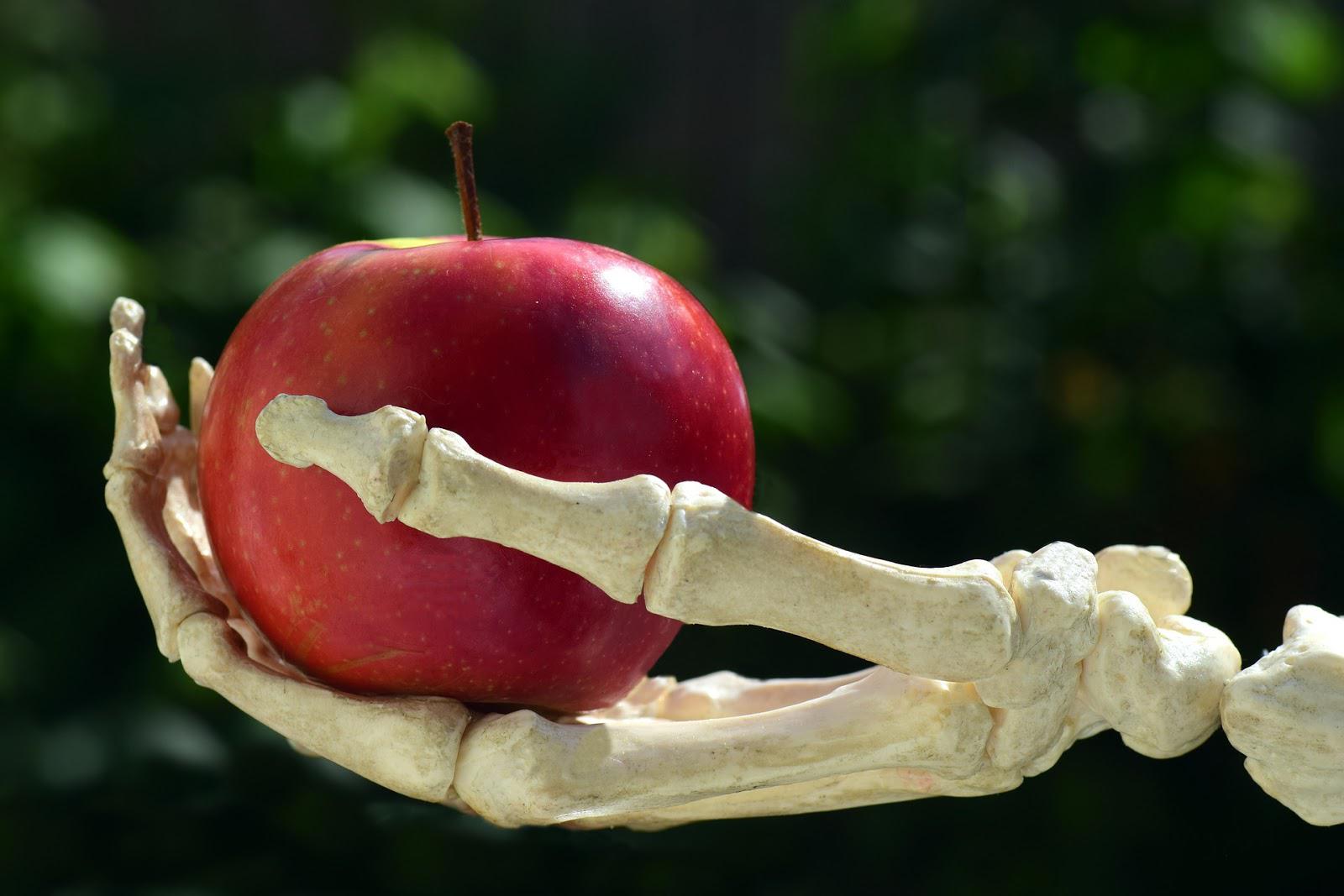
Bones are the internal framework that supports the human body. It is a surprising fact that on birth the baby comprises 270 bones, which are later tapered to 206 as grown. Since the bones support the whole body, it is even more important to keep them strong and healthy. Bones are continuously broken down and developed after small spans of time. This process occurs before the age of 30. Plus, after reaching the peak bone mass, the body increases bone creation. After the age of 30, bone development stops and bones begin to lose than gain.
Many minerals are incorporated during bone development in early childhood. These minerals act for bone structure and density to make them healthy and strong. Although, once you reach the peak bone mass, it is difficult to keep your bones healthy and strong. Your bones become more vulnerable to fractures and other critical damages. But still, it is never too late to take care of your bones, to make them healthy and defended from the damages. The diet you incorporate also plays a great role in protecting your bone structure as well as the density. Many people also consider to order Vitamin k2 online for strong bone formation with the repair. Let's discuss ten steps you can take for keeping stronger bones.
-
Intake Maximum Vegetables
Vegetables are healthy addition you can consider for bones. Vegetables are the primary source of Vitamin C, which assists in bone-formation cells. Vitamin C is also essential for promoting the antioxidants, which protects the bones structure from critical damage. Vegetable consists of many minerals, which helps in recovering the bone density. The bone density is important to keep the structure intact and strong in the body. This bone density is made up of the amount of calcium and other minerals that are essential for your bones. Diseases like osteopenia and osteoporosis are the causes of lower bone density.
According to a study, those who consume the onions daily had a 20% less chance of developing an osteoporosis condition. It means the vegetables significantly reduces the chance of developing weak bones after the age of 30.
-
Increasing Calcium in your Diet
Apart from Vitamin, Calcium is another important ingredient for the formation of stronger bones. The common calcium sources are dairy products, calcium-fortified cereals, dark green vegetables, sardines with bones and many others. Vitamin D also helps to absorb maximum calcium from your diet. There are many calcium supplements available that you can discuss with your physician to boost the calcium intake.
The most common supplements are calcium citrate and calcium carbonate. The calcium carbonate is more prominently advised to consume with a daily meal. However, calcium citrate can be consumed anytime once a day.
-
Add Proteins
Munching up proteins enriched food can also help you to keep a safe side from critical bone damage. As 50% of the bone structure is made of proteins, you can also consider it for healthier bones. Proteins act as the calcium absorber, meaning the low proteins will result in decreased calcium, which in later results in brittle bones.
Some researchers have raised the fact that the higher proteins consume the calcium from bones to decrease the acidic rate in the blood. However, the balanced intake of 100 grams of proteins daily does not affect the calcium value. Plus, it in return benefits the bones to produce the bones marrow to avoid osteoporosis and other diseases. According to long research, women with higher protein intake were found out to be less risk of damages like fractures.
-
Exercise Prominently
Apart from the diet, physical exercises can also prove beneficial for your bones. The daily exercises ensure healthier and stronger muscles. Not just the muscles, the exercises maintain your weight and avoids its impact on the bones. In fact, the exercises help you to control the weight, so it does not affect the bone structure. On the other side, there are different exercises for the formation of flexible and stronger bones. The daily workout adapts the body to the gravity and modifies the structure of bones by maximizing the essential nutrients. Jogging and walking also come to the aid of saving yourself from muscle cramps and weak bones.
-
Limit Caffeine
Caffeine also absorbs the calcium from your body, which is not good for health. Many caffeine products are found out to be resulting in bad impacts on bone mass and structure. Caffeine consumption is also important but in a limited manner. 400mg of caffeine per day for adults is a good take, which is around 2-3 cups of coffee per day.
-
Avoid Alcohol
People who avoid alcohol, or at least drink moderately are found to be at less risk of developing bone disease. Bear, for instance, can be beneficial because of its composition of dietary silicon. This dietary silicon is a vital element for bone marrow and structure. However, exceeding the limit of one or two beers can result in appallingly on the bones.
-
Never reduce your calories
Maintaining your calories sounds great, but reducing them to very low is never a good idea. The calories in food are defined as the energy produced in the form of heat, to keep the body running for a period. However, limiting hunger by reduced calories diet is an unhealthy decision for your bones. According to research, the calorie diet lower than 1000 a day can affect the bone density. The recommended calorie rate is around 1200 for each day to produce strong bone density and avoiding any damage.
-
Consider Collagen Supplements
Many kinds of research have also been working on the collagen supplements and their relationship with the bones. The collagen is the most abundant protein in the human body that also provides assistance to the bones for maintaining their structure. Collagen is made of amino acids, proline lysine, which are the main components for bones as well as the muscles. Considering the collagen supplements can not only produce the collagen but also supports the bone marrow and density and strengthens them.
-
Reduce Extra Weight
Many people explain the back pain, muscles and joint pains with pops or snaps. These issues are painful and affect the overall health of the body. One reason that many people avoid is their weight. The weight gain is the prime factor that contributes to damage the bones joints and density. However, weight loss can also result in bone loss. Physicians always recommend maintaining a stable and healthy weight to keep your bones safe on the risks of fractures.
-
Discontinue Smoking
Smoking not only affects the lungs but also contributes to bone loss. The people who smoke are more vulnerable to gain painful bone disease than non-smokers.
Conclusion
Stronger bones are important to living a healthy life. People always avoid the bone’s health and end up cramping in the elder age. However, early care for the bones can provide assistance for life long benefits for health.