Labor’s bungled biosecurity implementation leaves pet owners stranded
- Written by: The Times
Hundreds of Australian expats with pets could soon be left stranded, after the Albanese Government bungled the implementation of new biosecurity laws, which come into effect today.
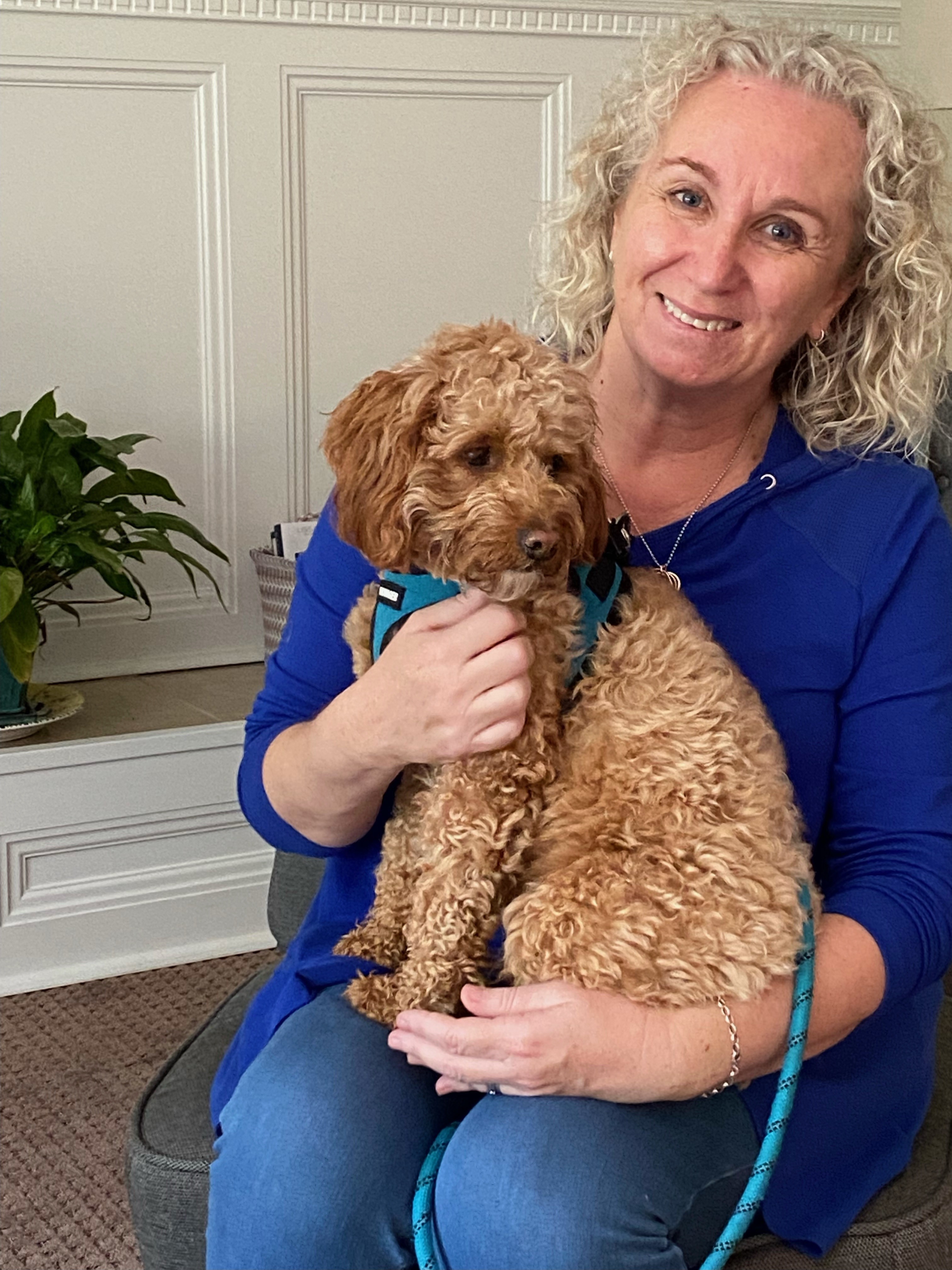
Those impacted include mini-golden doodle, ‘groodle’ owner, Michelle Johnston, who is stuck in the US with her beloved Harriet.
“The new biosecurity laws are an absolute debacle and have left hundreds of families who are trying to return to Australia devastated,” Ms Johnston said.
“We followed all the import rules and met all the criteria in place at the time of our application, but are now having to witness our beloved pet Harriet suffer through 30 days of isolation in quarantine because the Australian government’s new rules are being applied to applications that were submitted months ago – including our application which was submitted on November 2, 2022.
“Harriet is my service dog and as important to me as my medication. It is grossly unfair that regular Australian families like ours are being stressed both emotionally and financially.”
Others are in limbo in the UK, including two Australian expats who are unable to return home with their pooches Max and Henry.
They face another six-month wait in England to get new import permit applications to return to Australia with their Rhodesian ridgeback and spoodle, even though they applied in January.
“Our dogs Max and Henry are like our children, they are part of our family,” the expat said.
“It has now been more than six weeks and we are still unclear as to the options available to us, there is no accountability.
“There is no mechanism here in England to complete the new identity check requirements – that currently aren’t available because they don’t exist with UK vets - and given the change in import requirements we have to stay at least another 180 days.”
It is unknown how many pets and pet owners will be impacted by this change, but more than 6500 dogs and cats came into Australia in 2022. The Albanese Government has been left embarrassed, with the Department of Agriculture, Fisheries and Forestry apologising in a Senate Estimates hearing, admitting the implementation had caused anxiety and confusion.
Leader of The Nationals and Shadow Agriculture Minister David Littleproud described it as a “bad biosecurity debacle”.
He said the Albanese government had failed to give expats and those migrating with pets certainty, which eroded confidence in Australia’s biosecurity system.
“The Coalition will always back the science and evidence in biosecurity, but the implementation process has been bungled,” Mr Littleproud said.
“This has affected Aussies overseas and impacted people who want to come to Australia to work – this is simply not good enough.”
Senator Bridget McKenzie said the last reported suspected case of rabies in animals in Australia was more than 150 years ago and The Nationals wanted to keep it that way.
“However, the Government’s bungled rule changes have created a great deal of uncertainty and confusion for people who are trying to bring their pets from overseas back to Australia,” Senator McKenzie said.
“Senate Estimates questioning of the Department resulted in the Department apologising over the poor implementation of the rule changes.
“But to date the Labor Government, which has a long and poor record of keeping our borders secure, is yet to apologise.”