Google AI
The Times Australia

Times Media Advertising

Australia's first wellbeing framework is about to measure what matters – but it's harder than counting GDP

  • Written by: Robert Costanza, Professor of Ecological Economics, UCL
Australia's first wellbeing framework is about to measure what matters – but it's harder than counting GDP

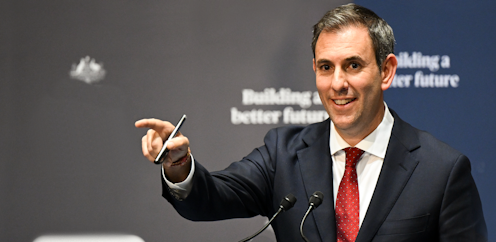
In an implicit admission that the Commonwealth budget may not measure what really matters, Treasurer Jim Chalmers is about to release what he is calling “Measuring What Matters[1]” – Australia’s first national wellbeing framework.

The statement was to have been released as part of this year’s May budget, and an earlier hurriedly-prepared[2] attempt was included in Chalmers’ 2022 budget.

Chalmers’ description of it as Australia’s “first[3]” national wellbeing framework is an acknowledgement that first wellbeing statement didn’t amount to a framework. Chalmers says he is “up for the necessary conversations” needed to improve the framework further.

The one he is about to release has benefited from more than 280[4] submissions and the time needed to distil everything that matters for wellbeing into five broad themes, made up of about 50 indicators the treasury will track through time.

Chalmers says the themes are the extent to which Australia is

  • healthy

  • secure

  • sustainable

  • cohesive

  • prosperous.

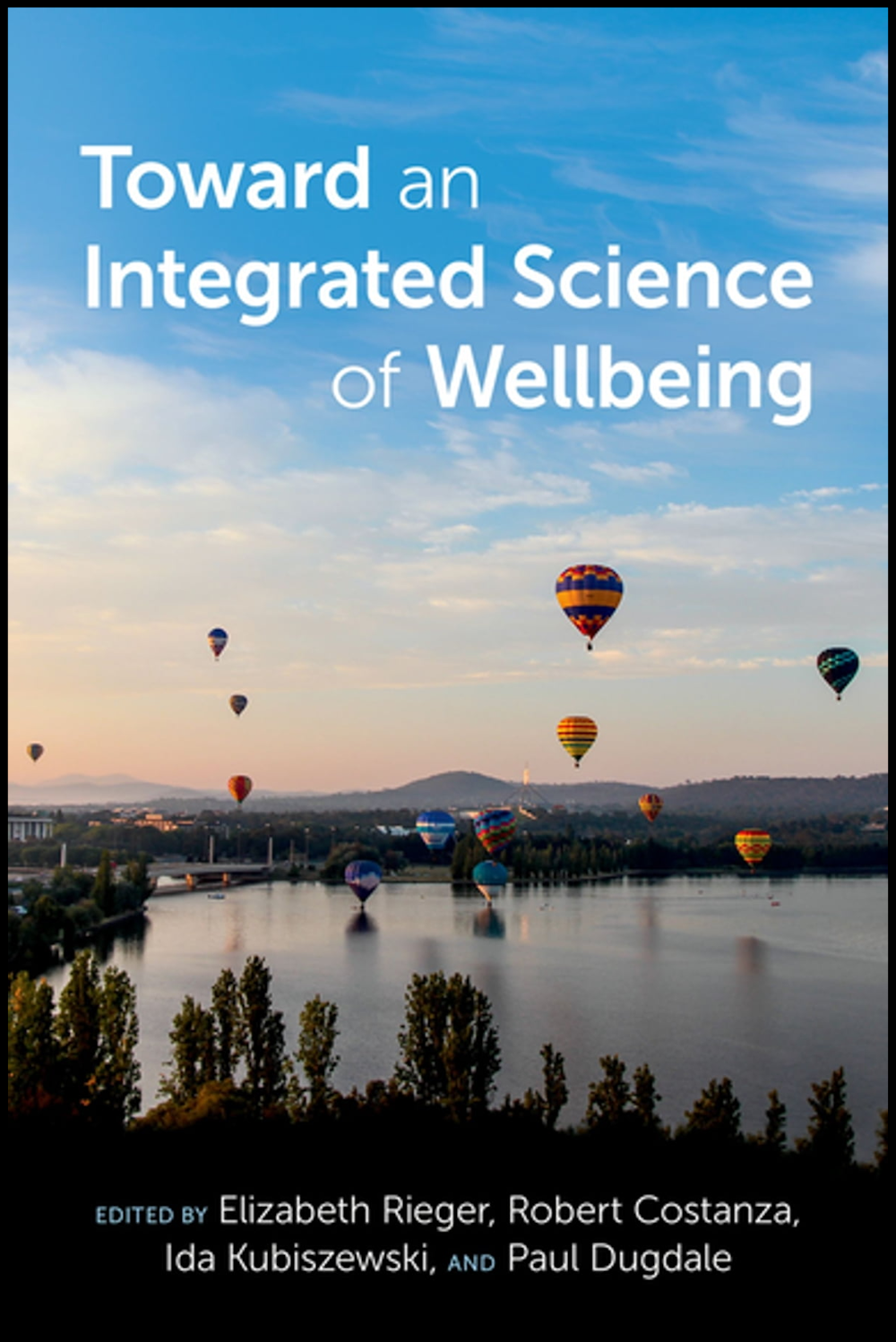
In what turned out to be a parallel process, we have been developing what we call an “integrated science of wellbeing[5]” and have just published a book with 21 contributions on the subject through Oxford University Press.

One of us has a background in psychology, one in medicine, and two in social sciences, ecology, and economics.

Among the 45 authors who have contributed chapters are specialists in a range of topics, including ageing, architecture, biodiversity, compassion, governance, Indigenous studies, population, psychology, sustainability, and trauma.

Everything is connected

All of the authors were asked to relate their work to other aspects of wellbeing, so that each chapter considered interconnections.

Behind this was an understanding that things depend on each other – meaning that giving a score to one element of wellbeing, without examining how it impacts on other elements of wellbeing, can give us the wrong idea about how to make things better.
Oxford University Press[6] As an example, anger is generally regarded as deleterious to wellbeing and worth minimising. But if minimising anger meant less action on climate change, minimising it might make us worse off. And some of the things that are incredibly important for wellbeing are hard to measure, including what happens within relationships or access to sunlight. Related to these are the design of cities and their integration with hospital and health services. These matter for the quality of dying, as well as living. Lying behind much of what matters is inequality – which can be worsened by a misplaced focus on GDP growth at all costs – and the natural environment, most of which is missing from standard measures of GDP. Global work on wellbeing At the government level, wellbeing is being espoused by the Wellbeing Economy Governments[7] (which so far includes Scotland, New Zealand, Iceland, Wales, Finland, and Canada). It’s also being coordinated across the hundreds of groups working on this issue by the Wellbeing Economy Alliance[8], funded by philanthropic foundations. While their objectives are still being refined, they (and Chalmers’ objectives) don’t differ much from the five goals identified more than 30 years ago by pioneers in the field of ecological economics[9]: to stay within planetary biophysical boundaries to meet all fundamental human needs to create and maintain a fair distribution of resources, income, and wealth to bring about an efficient allocation of resources that allows human development and flourishing to create governance systems that are transparent, fair, responsive, just and accountable. We are about to find out how well Chalmers and his department have integrated these objectives, and how well they think Australia is doing. Read more: Australia's wellbeing budget: what we can – and can't – learn from NZ[10] References^ Measuring What Matters (treasury.gov.au)^ hurriedly-prepared (cdn.theconversation.com)^ first (ministers.treasury.gov.au)^ 280 (ministers.treasury.gov.au)^ integrated science of wellbeing (academic.oup.com)^ Oxford University Press (academic.oup.com)^ Wellbeing Economy Governments (wellbeingeconomy.org)^ Wellbeing Economy Alliance (weall.org)^ ecological economics (www.google.com.au)^ Australia's wellbeing budget: what we can – and can't – learn from NZ (theconversation.com)Authors: Robert Costanza, Professor of Ecological Economics, UCL

Read more https://theconversation.com/australias-first-wellbeing-framework-is-about-to-measure-what-matters-but-its-harder-than-counting-gdp-209868

Business Times

“People Are Spending Less”: Small Businesses Feel Australia’s Eco…

Sometimes the real state of the economy is not found in Treasury papers, Reserve Bank statements or political speeches. So...

Small Business Owners Say Confidence Is Falling Across Australia

Australia’s small business sector has long been described as the backbone of the national economy. From cafes and retailers...

Why Same-Day Flower Delivery in Melbourne Is Changing the Way Peo…

People are busier than ever today compared to three decades ago. Many children once remembered birthdays of their parents, ...

The Times Features

Most Australians think the Budget Just Changed the Rule…

A generation of Australians may be entering the biggest rethink of wealth creation since the rise ...

Remember All-You-Can-Eat Restaurants? Australia Still M…

For many Australians, few dining experiences created more excitement than the words: “All you can ...

Australia’s Changing Family Dynamic: When Adult Childre…

Australia’s housing affordability crisis is no longer simply an economic issue. It is reshaping t...

ASX Movements Since Labor’s Budget: What Investors Are …

Australia’s share market has spent recent weeks digesting the implications of Labor’s federal budg...

QLD Day

On Saturday 6 June, parkrun events across the state will be a sea of maroon, with communities  str...

NAGNATA: ‘FUTURE = FIBRE’ — Movement 21 at AFW 2026 …

Photography by Cesar OcampoOn Day 3 of Australian Fashion Week 2026, the energy at the runway shifte...

Flu Season in Australia: Why Health Authorities Are Tak…

As winter settles across Australia, so too does the annual flu season — a recurring health challen...

Smart Supermarket Shopping: The Money-Saving Hacks Aust…

Australians are becoming smarter supermarket shoppers. Rising grocery prices, higher mortgage rep...

Kmart’s Homewares Revolution: How a Discount Retailer B…

There was a time when many Australians viewed Kmart as the place to buy low-cost basics, school su...