

Google AI
The Times Australia
The Times News

.

Times Media Advertising

Frydenberg promises housing breaks in 'pandemic budget'

  • Written by: Michelle Grattan, Professorial Fellow, University of Canberra
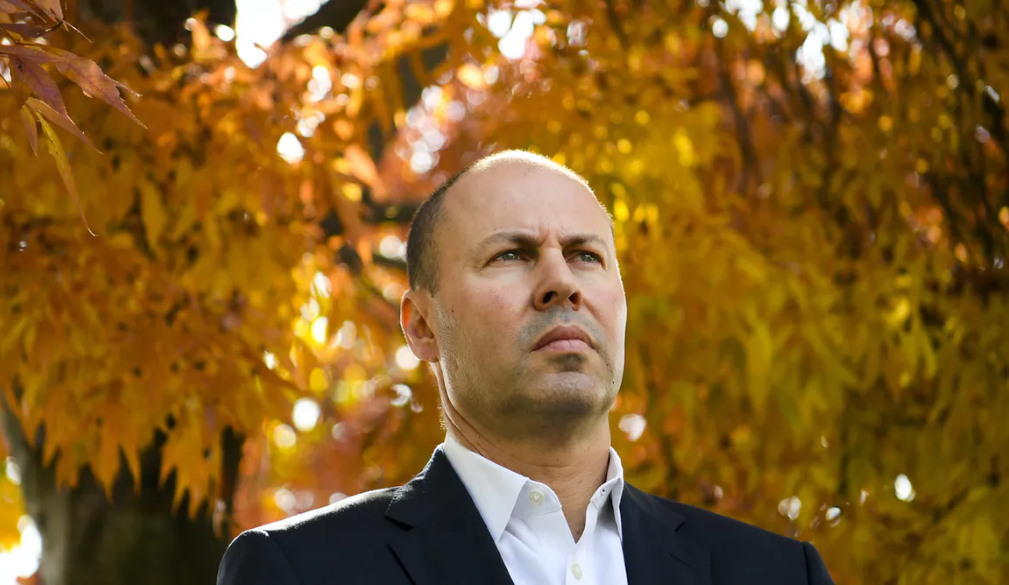
Josh Frydenberg says he will bring down a “pandemic budget” on Tuesday, warning that despite Australia’s strong recovery, there is “still a great deal of uncertainty out there”.

The Treasurer points to new strains of the coronavirus, the COVID crisis raging in India, and local lockdowns. “We can’t take for granted the strong economic recovery we’ve seen. We’ve got to lock in those gains,” he said on Friday, speaking to The Conversation.

Touted as big spending, the budget will contain, besides a large reform package for aged care, significant outlays on mental health.

In measures on housing, it will increase from $30,000 to $50,000 the maximum amount of voluntary contributions aspiring home buyers can take from the First Home Super Saver Scheme.

This scheme allows people to make voluntary contributions to superannuation to save for their first home.

At present these contributions are capped at $15,000 a year and $30,000 in total.

With the rise in house prices, the current cap on the amount that can be released is a diminishing proportion of the deposit needed.

There will also be another 10,000 places added to the First Home Loan Deposit Scheme, which can only be used for new housing. This means-tested measure allows first home buyers to build a new home or buy a newly-built one with a deposit of as little as 5%.

The budget will have an “improved bottom line, particularly in 2021”, compared with the earlier forecasts, Frydenberg confirmed.

This will be thanks in large part to a stronger-than-expected labour market as well as high iron ore prices.

The aim of pushing unemployment down below 5% will be a central feature of the budget.

“There’s a historic opportunity to drive the unemployment rate back to where it was pre pandemic and even lower,” Frydenberg said.

“And that’s why in this budget, you’ll see significant investments in energy, infrastructure, skills, the digital economy and lower taxes. Strengthening our economy will lead to a stronger budget position.”

Frydenberg said the dire predictions about what would happen with the end of JobKeeper in late March had not been fulfilled. In fact fewer people had been on income support after JobKeeper ended.

“And what you’ll see is that the budget improves as a result of the labour market strength, even more so than it does as a result of the higher iron ore price, because you get lower welfare payments and you get more tax revenue coming in from people at work.”

The budget will push out the assumptions about when Australia will reopen its international border. Last October’s budget assumed the border closure easing by the latter part of this year.

Read more https://theconversation.com/frydenberg-promises-housing-breaks-in-pandemic-budget-160561

Times Magazine

Victorian Drivers To Receive 20% Rego Rebate From June 1 In Major Cost-Of-Living Measure

Victorian motorists will begin receiving significant registration savings from June 1 as the Allan...

How Australian Businesses Are Using AI To Cut Costs And Improve Efficiency

Artificial intelligence was once viewed by many small business owners as something futuristic, exp...

Quickest Way of Getting Rid of Your Old Cars in Brisbane?

If you are done searching for a practical solution for quickly getting rid of your old car, this w...

The Human Supplement Craze Has Officially Gone to the Dogs (Literally)

Australians’ appetite for supplements is no longer limited to their own vitamin cabinets. New reta...

AI Guilt: It’s Real — But it is irrational

Artificial intelligence is rapidly becoming one of the most powerful tools ever made available to ...

Australians Are Keeping Their Cars Longer — And It’s Changing The Market

Australia’s car market is undergoing a subtle but important transformation. People are keeping th...

Streaming Fatigue: Australians Overwhelmed By Subscriptions

Streaming was once supposed to simplify entertainment. Instead, many Australians now feel overwhe...

Why Shopping Centres No Longer Feel Exciting

There was a time when going to the shopping centre felt like an event. Families spent entire Satu...

Harry And Meghan: Less Powerful As Royals, More Powerful As Content

For all the claims of “Harry and Meghan fatigue”, the world’s media still cannot stop talking abou...

The Times Features

Remember All-You-Can-Eat Restaurants? Australia Still M…

For many Australians, few dining experiences created more excitement than the words: “All you can ...

Australia’s Changing Family Dynamic: When Adult Childre…

Australia’s housing affordability crisis is no longer simply an economic issue. It is reshaping t...

ASX Movements Since Labor’s Budget: What Investors Are …

Australia’s share market has spent recent weeks digesting the implications of Labor’s federal budg...

QLD Day

On Saturday 6 June, parkrun events across the state will be a sea of maroon, with communities  str...

NAGNATA: ‘FUTURE = FIBRE’ — Movement 21 at AFW 2026 …

Photography by Cesar OcampoOn Day 3 of Australian Fashion Week 2026, the energy at the runway shifte...

Flu Season in Australia: Why Health Authorities Are Tak…

As winter settles across Australia, so too does the annual flu season — a recurring health challen...

Smart Supermarket Shopping: The Money-Saving Hacks Aust…

Australians are becoming smarter supermarket shoppers. Rising grocery prices, higher mortgage rep...

Kmart’s Homewares Revolution: How a Discount Retailer B…

There was a time when many Australians viewed Kmart as the place to buy low-cost basics, school su...

“People Are Spending Less”: Small Businesses Feel Austr…

Sometimes the real state of the economy is not found in Treasury papers, Reserve Bank statements o...