Coastal Home Design Trends for Seamless Indoor-Outdoor Living
- Written by: Times Media
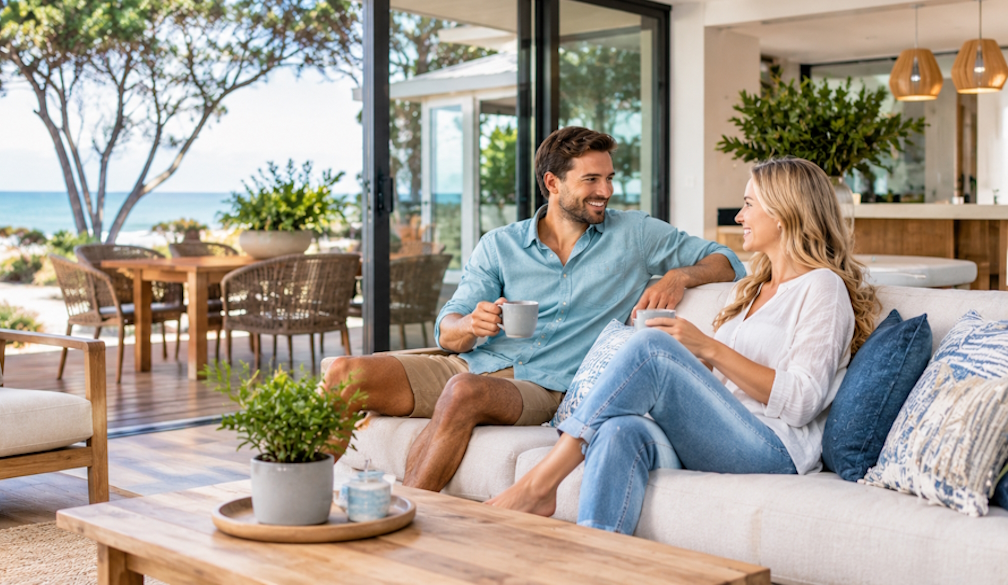
Australians have long cherished the indoor-outdoor lifestyle, but recent trends show an unprecedented commitment to refining these spaces. In 2025, the national home renovation market reached a staggering $48 billion, reflecting a 13 percent increase from the previous year. More than one in three households undertook home improvements during this period, marking the busiest phase for residential renovations in the past decade. Recent analysis shows that renovations now account for approximately 40 percent of Australia's total residential construction expenditure. At the heart of this boom is a profound desire to blur the lines between interior living areas and exterior gardens. Homeowners are moving away from basic patios and instead creating cohesive, multi-functional zones that can be enjoyed all year round, regardless of unexpected weather changes.
Adapting to the Coastal Climate
Coastal regions like the Mornington Peninsula present unique architectural challenges for homeowners and builders alike. Properties in these areas face volatile dual-climate conditions, frequently having to withstand both the sheltered, humid environment of Port Phillip Bay and the fierce, salt-driven winds sweeping in from the Bass Strait. Consequently, the local design standard has shifted dramatically away from lightweight summer cottages toward highly engineered, permanent residences built for longevity. A vital component of these modern homes is climate resilience. When dealing with such unique coastal weather, investing in the premium blinds Mornington locals rely on can provide essential thermal insulation while maintaining a sleek, modern aesthetic. By integrating weather-resistant materials, these properties remain comfortable, secure, and fully protected regardless of the season.
Maximising Energy Efficiency with Passive Design
The push toward eco-friendly outdoor entertaining spaces has surged, largely driven by state and federal government initiatives promoting sustainable building practices. Consumer inquiries for adaptable garden structures and smart climate controls increased by over 40 percent recently. Passive cooling and intelligent design are now viewed as essential foundations rather than optional luxury upgrades. Unprotected glass is a major source of heat gain during the notoriously harsh Australian summer. Direct sun hitting expansive windows can generate the same heat as a single bar radiator over each square metre, but effective shading can block up to 90 percent of this radiant heat. Incorporating adaptive window coverings and robust exterior awnings significantly lowers ongoing cooling costs and dramatically improves the overall energy efficiency of the property.
Designing Functional and Stylish Alfresco Zones
Creating a true extension of the living room requires careful spatial planning and a cohesive design language. The emerging "Modern Australian" style, occasionally referred to as Organic Modern, champions durable, climate-appropriate materials over stark minimalism. This approach ensures that spatial transitions feel effortless and welcoming. When selecting furniture and deciding on layouts, thoughtful choices are the secret to styling your outdoor space for year-round comfort and usability. Defining specific, distinct zones for dining, lounging, and cooking helps the alfresco area function just as efficiently as any primary interior room. Adding elements like built-in seating or custom outdoor rugs can further anchor these zones.
The financial benefits of these well-planned upgrades are also incredibly compelling for property investors. Homeowners are currently spending an average of $31,000 on outdoor and alfresco upgrades, and for very good reason. Real estate analysts consistently note that a well-designed alfresco space or a high-end, fully equipped outdoor kitchen can increase a property's market value by $100,000 or more at auction. The 2025 National Architecture Awards prominently recognised residential projects that successfully reimagined how modern homes integrate with their surrounding natural landscapes. To achieve a premium look that withstands harsh coastal exposure, architects and master builders recommend focusing on a few core design elements:
- Continuous Flooring: Using the exact same or visually similar floor tiles from the indoor living room out to the exterior patio creates a seamless visual flow that instantly expands the perceived footprint of the home.
- Large Stacking Doors: High-performance, wide-opening bi-fold or stacking doors eliminate physical barriers, instantly connecting the main kitchen or lounge directly to the outdoor entertaining zone.
- Integrated Wind Protection: Incorporating architectural screening and motorised exterior shades makes elevated alfresco dining viable even on blustery coastal days. A notable architectural case study in McCrae recently demonstrated how heavily prioritising these automated screens can transform an exposed timber deck into an all-weather sanctuary.
- Weather-Resistant Materials: High ambient humidity and airborne chlorides rapidly accelerate structural wear, making marine-grade stainless steel, treated native timbers, and specialised UV-resistant exterior fabrics absolutely non-negotiable for long-term durability.
As the extreme Australian climate continues to shape modern residential architecture, the traditional boundaries between inside and outside will only become less defined. Whether you are undertaking a complete structural renovation from the ground up or simply upgrading your exterior furnishings for the upcoming season, focusing on seamless integration is the ultimate key to success. By prioritising sustainable building materials, passive cooling techniques, and considered landscaping, coastal homes can offer a luxurious, resilient lifestyle that celebrates the surrounding natural environment every single day of the year.