

Outback travel | What to pack before the bitumen ends
- Written by: The Times
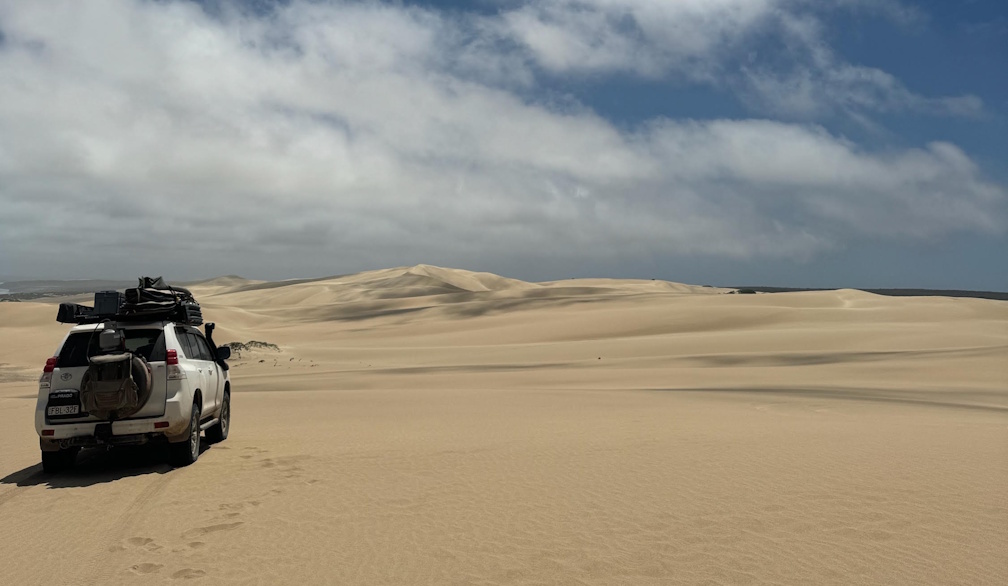
A second spare tyre, extra drinking water and a check-in time someone will act on can make all the difference on a remote Australian road trip.
A roadhouse is a good place to stop even when the fuel gauge says you could keep going. Fill the tank, check when the next fuel stop opens and send a message to the person expecting to hear from you. Once you’re back on the road, the distances can be long and mobile reception can disappear well before the next town.
Whether you’re driving the Gibb River Road or taking a quieter track between outback towns, plan for the day you get held up. A shredded tyre, a split radiator hose or a road closure can turn a few hours on the road into a night by the vehicle.
Start with the tyres, then pack the spares
Have the vehicle serviced before you go and tell the mechanic where you’re taking it. A long run on corrugated gravel calls for a closer look at the tyres, cooling system and suspension than a weekend on the highway.
For remote gravel routes, carry two serviceable, full-size spare wheels where you can do so within the vehicle’s load limits. One ruined tyre can leave you a long way from a replacement. Check the pressure and condition of both spares before departure, and make sure the jack and wheel brace actually fit your vehicle. A wide, sturdy jack base is useful on soft ground. A compressor and pressure gauge are worth packing too.
Ask your mechanic which radiator hoses, hose clamps, drive belts and fuses suit your vehicle. Pack the tools to fit them and the correct coolant. If you’re hiring a vehicle, check what spares come with it and what the hire company expects you to do after a breakdown. If the engine overheats, pull over safely and let it cool. Opening a hot radiator cap can cause serious burns.
Fill up every chance you get
On remote stretches, top up whenever fuel is available. Confirm opening hours, fuel type and payment arrangements before relying on a particular roadhouse. If it’s the only supplier for a long section, call ahead when you can.
Allow for heavier consumption on sand, gravel or corrugations, especially if you’re towing. Leave enough range for a detour or a return to the last fuel stop. If you need to carry extra fuel, use approved containers secured outside the passenger compartment.
Carry enough water and food to wait
Work out how much drinking water everyone needs between reliable refills, then add a reserve for delays. Allow more for hot weather, walking and cooking. Split your drinking water between several containers so one leak can’t empty your entire supply. Keep a bottle within reach in the cabin and secure the rest so it can’t shift on rough roads.
Pack a reserve of food you can eat without a fridge or stove. Tinned meals, crackers, nuts and dried fruit will still be usable if the vehicle fridge loses power. Carry a first-aid kit, personal medicines, a head torch, spare batteries and offline maps. Download the maps before leaving reception and keep a paper map for remote routes.
Dress for the sun and the cold
Lightweight, long-sleeved shirts and long trousers are useful for walking, changing a tyre or setting up camp in the sun. Add a broad-brimmed hat, sunglasses, sunscreen and sturdy enclosed shoes. Keep work gloves where you can reach them without unpacking the vehicle.
Pack warm layers and a windproof jacket as well. Desert temperatures can drop sharply after dark, particularly in winter. If you have to spend an unplanned night beside the road, you’ll want warm clothes and a blanket or sleeping bag within reach.
Carry a personal locator beacon
For outback driving and walking, the emergency beacon to look for is a GPS-equipped personal locator beacon (PLB). An EPIRB is primarily a maritime distress beacon. Register the PLB free with the Australian Maritime Safety Authority, check its battery expiry and make sure everyone travelling knows where it is and how to activate it. Take it with you if you leave the vehicle for a walk.
A satellite phone or two-way satellite messenger is useful for check-ins and arranging help with a breakdown. A PLB is for grave and imminent danger when you can’t get help by other means. If you can reach emergency services by phone, call Triple Zero (000).
Tell someone exactly when to expect you
Give a family member or trusted friend a written itinerary before you leave. Include your route and intended tracks, overnight stops, expected arrival and check-in times, the names of everyone travelling and the vehicle’s registration, make and colour.
Agree on what time you’ll be considered overdue and when they should contact police. Tell them which stretches you expect to drive without reception, and send an update if you change your route. For especially isolated tracks, ask local police, park staff or the relevant land manager whether there’s a local trip registration or reporting arrangement. Keep your own contact informed either way.
If you break down in a remote area, stay with the vehicle unless remaining there is unsafe. It gives you shelter and is much easier for rescuers to spot than a person on foot. That’s when the water, food and warm clothes you packed for an extra night earn their place in the back.
