What Public Indemnity Insurance Really Covers and Why Your Business Needs It
- Written by: Times Media
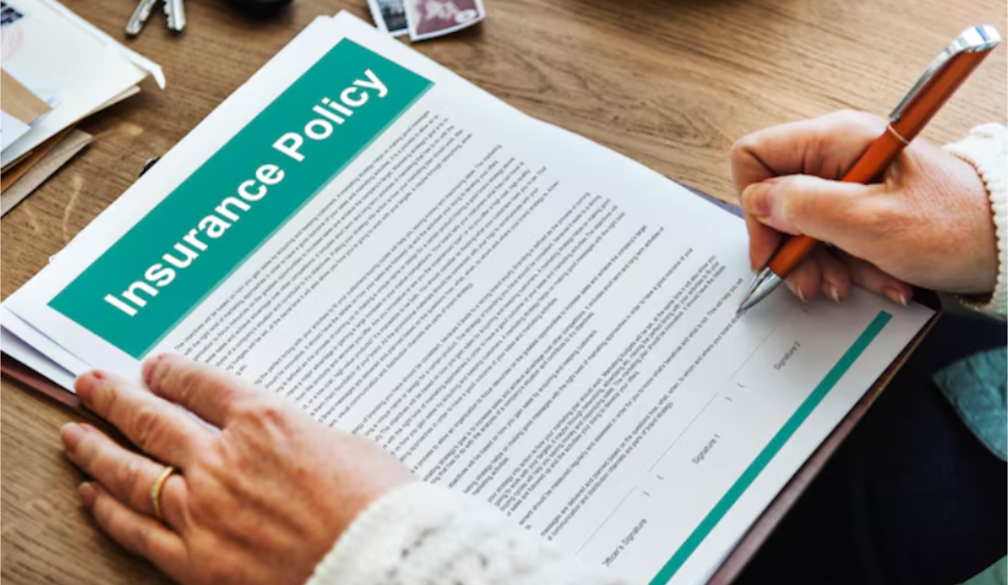
Running a business, whether small or large, comes with its fair share of responsibilities and risks. One of the ways businesses can protect themselves is through public indemnity insurance. Many business owners wonder, what does public indemnity insurance cover? Understanding this can help you make informed decisions and ensure your operations are safeguarded against unexpected claims.
The Purpose of Public Indemnity Insurance
Public indemnity insurance is designed to protect businesses against claims made by members of the public who might suffer injury, property damage, or financial loss as a result of the business’s operations. It is particularly important for businesses that interact directly with customers or clients, such as retail stores, consultancy services, or those offering professional advice. Without such coverage, even a minor incident could result in significant financial strain or legal challenges.
Protection Against Accidents and Injuries
One of the main areas public indemnity insurance covers is accidents that cause bodily injury. For instance, if a customer slips on a wet floor in a shop or sustains an injury due to faulty equipment, public indemnity insurance can cover medical costs and legal expenses that may arise from the incident. This protection is crucial because accidents can happen even when businesses take every precaution, and the financial implications of a personal injury claim can be severe.
Coverage for Property Damage
Another important aspect of public indemnity insurance is its coverage of property damage. This means if a business inadvertently causes damage to someone else’s property, the insurance can cover the repair or replacement costs. For example, if a contractor accidentally damages a client’s office furniture while performing a service, public indemnity insurance can help manage the cost of repairing or replacing the damaged items, protecting the business from bearing the full expense.
Legal and Financial Support
Claims from the public can involve complex legal processes and significant expenses. Public indemnity insurance often includes coverage for legal costs, including lawyer fees and court expenses. This is essential because defending a claim without insurance can be financially draining and time-consuming. Having the support of insurance ensures that businesses can focus on their operations while professionals handle the claim efficiently.
Understanding the Limits of Coverage
While public indemnity insurance provides broad protection, it is also important to understand its limits. It typically covers incidents that occur as part of normal business activities and are accidental. Intentional acts, fraud, or professional negligence may require different forms of coverage, such as professional indemnity insurance. Businesses should carefully review policy terms to know exactly what is included and consider additional coverage if necessary.
Importance for Small and Medium Enterprises
Small and medium enterprises often underestimate the risks they face. Even a minor incident can escalate into a costly claim, affecting cash flow and business reputation. By understanding what does public indemnity insurance cover, smaller businesses can make informed decisions to protect their assets and maintain client trust. Insurance coverage acts as a safety net, allowing businesses to operate confidently knowing that unexpected incidents won’t lead to financial ruin.
Relevance to Different Industries
Public indemnity insurance is not limited to retail businesses or contractors. Many professional services also benefit from this coverage, including health practitioners, consultants, and educators. Essentially, any business that interacts with clients or the public can face claims of injury or property damage. Recognizing the potential exposure to such claims helps businesses plan and ensure they have the right insurance in place.
How Coverage Helps Maintain Business Reputation
In addition to financial protection, public indemnity insurance also helps protect a business’s reputation. Responding quickly and appropriately to claims demonstrates responsibility and professionalism. Clients and customers are more likely to trust businesses that are prepared and insured against accidents or damages. This proactive approach not only mitigates immediate risks but also enhances long-term credibility in the market.
Choosing the Right Policy
Selecting the right public indemnity insurance policy requires understanding your business needs and potential risks. Coverage limits, exclusions, and terms can vary depending on the provider and industry. It is advisable to discuss your business activities with an insurance advisor to ensure the policy aligns with your operational requirements. Knowing what does public indemnity insurance cover helps in asking the right questions and obtaining comprehensive protection.
Public Indemnity vs Professional Indemnity
It is also important to distinguish between public indemnity insurance and professional indemnity insurance. While public indemnity focuses on bodily injury or property damage to third parties, professional indemnity insurance typically covers claims arising from professional advice or services provided. Many businesses may need both to fully protect against the different types of risks they face. Understanding these differences ensures businesses do not leave gaps in their coverage.
Conclusion
Public indemnity insurance is an essential safeguard for any business that interacts with clients or the public. Understanding what does public indemnity insurance cover allows business owners to plan effectively, manage risks, and maintain trust with their customers. By covering accidents, property damage, and legal costs, this insurance provides peace of mind and financial protection, ensuring that unexpected incidents do not derail business operations. Choosing the right policy and knowing its limits are key steps in building a secure and responsible business.
For more detailed insights on the differences between public liability and professional indemnity, and to better understand the types of coverage your business may need, you can explore resources available online, such as industry guides and trusted insurance news sources. These resources can help business owners make informed decisions and maintain a strong foundation for their operations.