Sitrep on the Bushfires in Victoria
- Written by: The Times
Updated: Saturday, 10 January 2026
Victoria is in the grip of a severe and escalating bushfire crisis, with multiple blazes burning across the state amid record heat and catastrophic fire conditions. Emergency services, communities and authorities are responding to what is being described as one of the most dangerous fire threats Victoria has faced in recent memory — on a par with the 2019–20 “Black Summer” fires.
🔥 Current Fire Situation
Across Victoria, dozens of active bushfires are burning, with at least two major blazes — near Longwood in central Victoria and Walwa in the north-east — continuing to burn out of control. These fires have already consumed tens of thousands of hectares of land and destroyed properties.
Emergency warnings remain in place for these fires, and authorities have been issuing “leave now” notices for impacted communities, urging immediate evacuation where possible. In some areas, residents have been told it is too late to leave safely and are being advised to shelter in place under extreme conditions. According to official incident maps, communities under threat from fire fronts or embers include Creighton, Strathbogie, Merton, Yarck, Molesworth, Alexandra and surrounds in central Victoria, and Burrowye, Granya, Bullioh, Shelley, Lucyvale, Cudgewa and Colac Colac near the Walwa blaze.🧯 Human and Community Impact
Tragically, at least one person has died, and three people — including a child — remain unaccounted for after a house was destroyed at Longwood East. A firefighter has also been seriously injured while battling these intense blazes.
Multiple homes and properties — including entire residences — have been confirmed lost, with additional losses feared as fires continue to spread. Power outages have impacted approximately 70,000 homes and businesses across affected regions. State and federal emergency relief funding has been released to support affected communities, with the expectation that these measures may be expanded as assessments continue.🌡️ Weather and Fire Danger Ratings
Victoria is experiencing an extreme heatwave, with temperatures soaring above 40°C (104°F) in many regions and forecast to rise further in the coming days. High winds — with gusts up to 125 km/h — are fanning flames and causing unpredictable fire behaviour, including fire-generated thunderstorms and “fire tornadoes.”
A Total Fire Ban has been declared statewide, meaning it is illegal to light or maintain open fires. Parks across large areas of the state have been closed due to catastrophic fire danger, including many forests and reserves normally popular with holidaymakers. Fire danger ratings issued by the Bureau of Meteorology remain High to Extreme across several districts, with catastrophic conditions forecast in some areas. Authorities warn that Friday’s fire conditions — already experienced this week — were among the worst since the 2019–20 Black Summer bushfire season.🚨 Emergency Response and Preparedness
In response to the worsening crisis:
-
A State of Disaster has been declared across 18 local government areas, empowering emergency services with broader powers to manage the response.
Additional firefighting resources, including personnel from New South Wales, have been deployed to assist Victorian crews.
Residents in fire-affected and at-risk communities have been urged to activate their bushfire survival plans early and leave well before conditions deteriorate further.
Transport services in affected regions, including trains and coaches, have been cancelled to prioritise emergency access and safety.
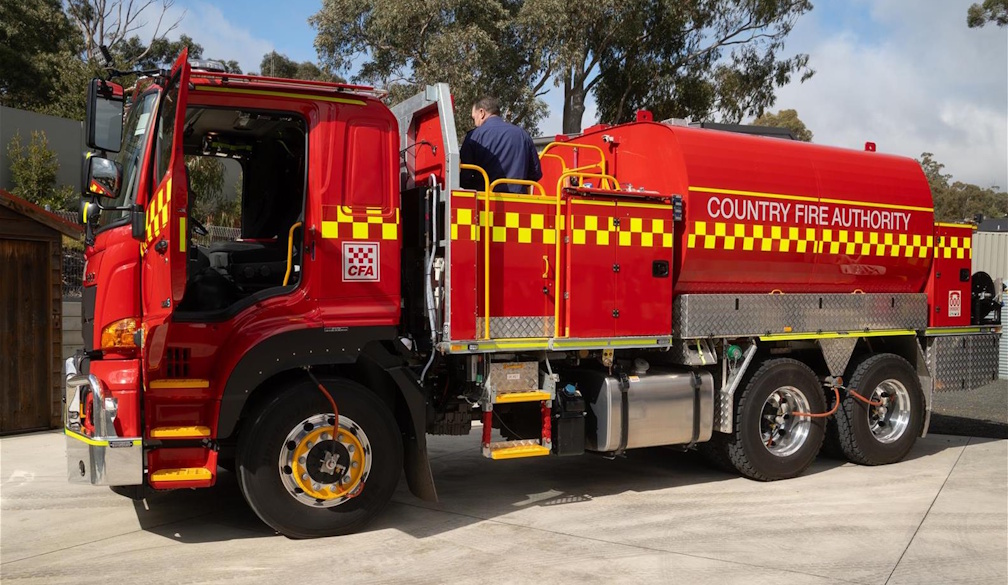
Victoria’s Country Fire Authority (CFA) continues to provide 24/7 updates on warnings and restrictions, and residents are advised to stay updated through the VicEmergency website and apps.🐾 Environmental and Long-Term Context
Victoria has a long history of devastating bushfires — stretching back to events such as the Black Thursday fires of 1851, the Ash Wednesday fires of 1983, and the Black Saturday fires of 2009 — all of which have shaped the state’s fire management strategy and community preparedness planning.
Climate scientists warn that extreme heat and prolonged dry conditions — exacerbated by global climate change — are contributing to longer, more intense fire seasons. This year’s extreme conditions echo those seen during Australia’s most destructive fire periods on record.📌 What Victorians Should Do Now
Authorities stress the following life-saving advice:
-
Leave early: Don’t wait for last-minute warnings — early evacuation significantly improves safety outcomes.
Follow official warnings: Pay attention to Emergency Warnings and Advice levels via CFA, VicEmergency and local broadcasters.
Prepare a survival plan: Review bushfire survival plans and ensure your household is ready to act.
Respect closures: Parks, forests and high-risk areas are closed for public safety; avoid travelling into these zones. As Victoria battles this unfolding bushfire emergency, community resilience and emergency services are being tested. The situation remains highly fluid — with conditions likely to evolve as weather patterns shift — and The Times will continue to provide updated coverage and safety information as it becomes available.
Stay safe, stay informed, and heed all advice from emergency authorities.
NOTICE
Premier Jacinta Allan has declared a State of Disaster for 18 Local Government Areas and one Alpine Resort following advice from the Minister for Emergency Services and the Emergency Management Commissioner.
The Premier is satisfied there is an emergency that constitutes, or is likely to constitute, a significant and widespread danger to life or property in the following part of Victoria:
- Alpine Shire
- Ararat Rural City
- Colac Otway Shire
- Corangamite Shire
- East Gippsland Shire
- Golden Plains Shire
- Greater Bendigo City
- Horsham Rural City
- Lake Mountain Alpine Resort (Unincorporated)
- Mansfield Shire
- Mildura Rural City
- Mitchell Shire
- Moira Shire
- Mount Alexander Shire
- Murrindindi Shire
- Pyrenees Shire
- Strathbogie Shire
- Towong Shire
- Wellington Shire
A State of Disaster:
- * May be declared to exist in the whole, or parts, of Victoria
- * Exists immediately upon the making of the declaration and remains in force for seven days (unless another declaration is made)
- * Can be revoked or varied by the Premier at any time.
The declaration gives the Government, through the Minister for Emergency Services, the powers and resources it needs to keep Victorians safe. Examples of the Minister’s broad power to direct and allocate government resources include:
- * Directing any government agency to do, or refrain from doing, any function, power, duty, or responsibility
- * Declaring that the operation of an Act or subordinate instrument is suspended, if compliance by a government agency with that legislation would inhibit response to or recovery from the disaster
- * Take possession and make use of any person’s property to respond to the disaster
- * Controlling movement in and out of the disaster area and
- * Compelling the evacuation of persons from the disaster area or any part of it.