Women at Greater Risk in Cardiac Arrest — CPR Hesitation Reveals Gender Disparity
- Written by: Times Media
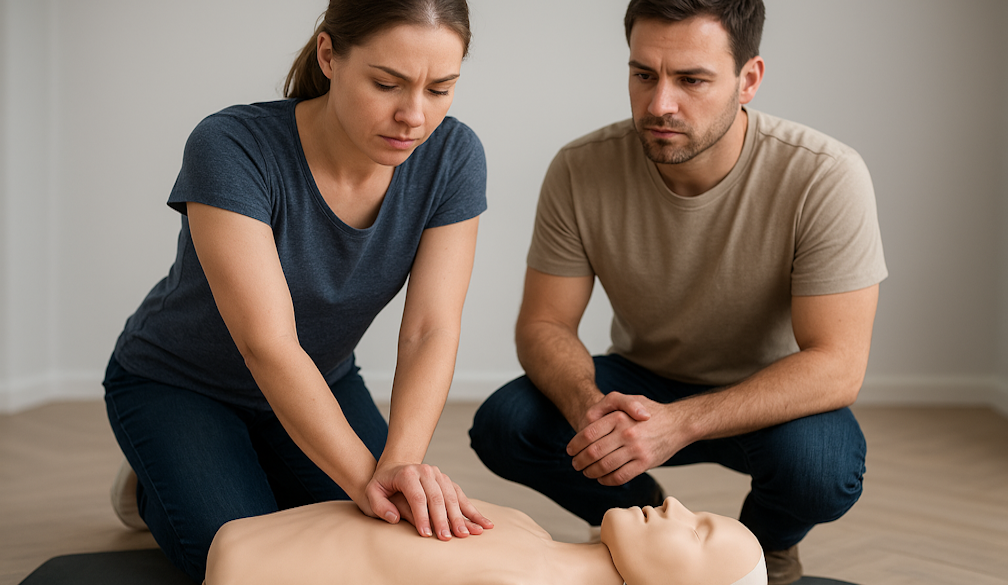
A growing body of evidence suggests that women suffering out-of-hospital cardiac arrests are significantly less likely than men to receive lifesaving bystander intervention — including CPR and defibrillation.
Gender Gap in CPR
A recent study from Bond University found that women are 14 per cent less likely than men to receive CPR from bystanders after cardiac arrest. Researchers suggest part of the problem lies
in the training equipment: most CPR manikins are male-presenting, leaving trainees unfamiliar with performing compressions on female anatomy.
Dr Jessica Stokes Parish, who led the study, said, “Bystanders may hesitate to perform CPR on women due to fears of being accused of inappropriate touching or causing injury.”
Australian Data Confirms Disparities
Data from New South Wales shows women are less likely to receive bystander CPR both at home and in public. Victoria’s Ambulance Service reported that only 5 per cent of women received defibrillation from bystanders, compared to 10 per cent of men. Experts suggest hesitation related to social stigma and misconceptions about women’s fragility plays a major role.
Real-Life Example: Pilates Class Rescue
In Mildura, Victoria, 65-year-old Fortunata “Forch” Panetta collapsed during a Pilates class. Fellow participants immediately began CPR and called emergency services. Paramedics credited the bystanders’ rapid response with saving her life. She spent three weeks in hospital but ultimately recovered. This case highlights how training and confidence can directly impact survival outcomes.
Solutions and Training
First-aid organisations emphasise the need for proper training to overcome social discomfort. Brisbane-based My First Aid Course trains hundreds of Australians each year. Their lead instructor puts it bluntly: “We tell every student — hesitation is a killer. The first few minutes are everything. If someone’s unconscious and not breathing, you don’t ask questions. You act. CPR is not optional, and it’s not gendered. It’s survival.”
Emergency responders and medical educators also recommend public campaigns to normalise CPR on all bodies, dispatcher training to recognise atypical cardiac arrest symptoms in women, and community education to increase confidence in performing CPR.
The Human Cost
Every minute without CPR reduces survival chances. Gender bias in bystander intervention is not just statistical — it represents preventable deaths. Experts warn that without reform in training and public awareness, women will continue to face unnecessary risk during cardiac emergencies.