Tips for Breaking in New Shoes Without the Pain
- Written by: The Times
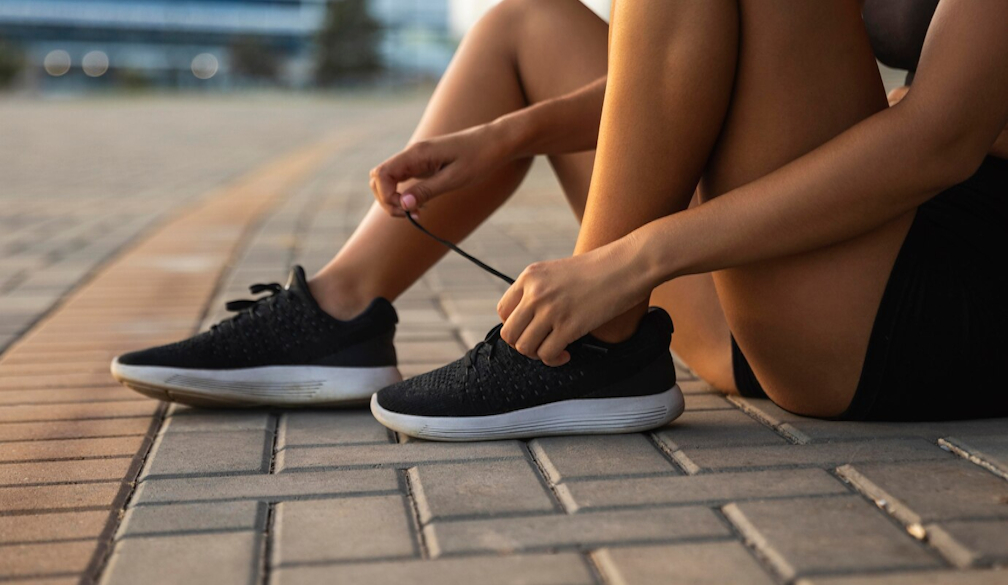
There’s nothing quite like the excitement of slipping into a brand-new pair of shoes – until the blisters and soreness kick in. Whether you’ve invested in elegant heels, stylish boots, or soft leather lace-up shoes for women, the breaking-in process doesn’t have to be a painful ordeal. With a little patience and the right techniques, you can ensure your new shoes mould comfortably to your feet without discomfort.
Wear Them Around the House
Before you take your new shoes out for a full day on your feet, wear them at home in short bursts. Start with 30-minute intervals, gradually increasing the time. This allows the material to soften and conform to your feet in a controlled environment.
Use Thick Socks for a Gentle Stretch
A simple trick to speed up the stretching process is to wear thick socks with your shoes and walk around the house. The extra padding helps expand tight areas without causing blisters. If your shoes feel especially snug, try using a hairdryer on a low heat setting while flexing your feet inside them. The warmth softens the material, making it more pliable.
Apply a Leather Conditioner
If your shoes are made of leather, applying a leather conditioner can help soften the material, making it more flexible. This is particularly useful for soft leather lace-up shoes, as it allows them to stretch naturally without causing stiffness or discomfort.
Invest in a Shoe Stretcher
Shoe stretchers are a great investment for anyone who regularly buys new shoes. These handy devices allow you to adjust the width and length of your shoes overnight, minimising pressure points and reducing the likelihood of blisters.
Use Moleskin or Gel Inserts
To prevent blisters before they start, place moleskin padding or gel inserts in areas where your shoes tend to rub. Heel grips can also help if your shoes slip at the back.
Consider custom made orthotics
If you regularly struggle with discomfort when breaking in new shoes, custom made orthotics may help. Unlike standard gel inserts, orthotics are designed specifically for your foot shape and walking pattern, providing better support and pressure distribution.
They can help reduce strain on the heel, arch, and forefoot while your new shoes soften and adjust. This is especially helpful for people with flat feet, high arches, or recurring foot pain.
A podiatrist or foot specialist can assess your feet and create orthotics that fit comfortably inside many types of footwear, helping new shoes feel supportive from the start.
Take Breaks and Rotate Your Shoes
Resist the urge to wear new shoes for an entire day right away. Instead, break them in gradually, swapping them out with a well-worn pair when needed. This gives your feet a chance to recover and prevents excessive friction.
Try the Freezer Trick
For particularly tight shoes, try the freezer method: fill two plastic bags with water, place them inside the shoes, and leave them in the freezer overnight. As the water expands into ice, it gently stretches the shoes. Just be sure to double-bag to prevent leaks!
Walk on a Soft Surface First
Before hitting the pavement, walk on a carpeted surface to reduce the initial impact on your feet. This helps the soles become more flexible without excessive strain.
Adjust Laces for a Custom Fit
If you’re breaking in lace-up shoes, experiment with different lacing techniques to reduce pressure on sensitive areas. Loosening or tightening certain sections can significantly improve comfort.
Be Patient – Good Shoes Take Time
Finally, remember that high-quality shoes are designed to mould to your feet over time. With a little patience and these simple techniques, you’ll soon be enjoying a perfect fit – minus the pain. By taking the right steps (literally!), you can make breaking in new shoes a far more comfortable experience. Whether you’re stepping out in heels, boots, or soft leather lace-up shoes for women, the key is to be proactive in preventing discomfort so you can walk with confidence from day one.