LGPM Rotary Valves: Enhancing Bulk Material Handling in Industrial Applications
- Written by: The Times
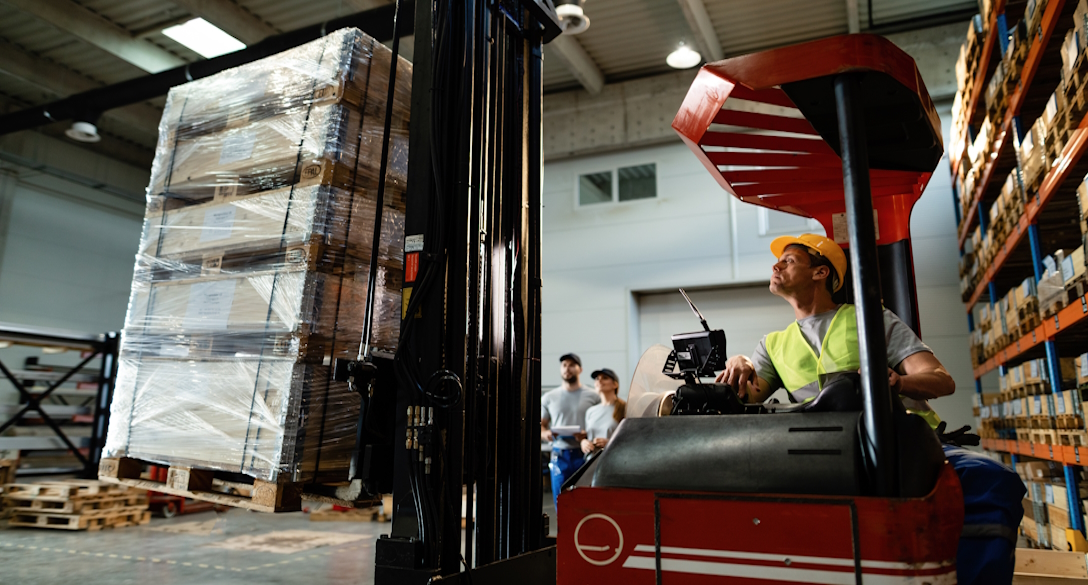
Efficient movement and control of bulk solids are at the heart of many industrial processes. From transferring grains into pneumatic conveying systems to dosing powders in food production or regulating abrasive minerals in mining, precision is non-negotiable. A critical component that makes this possible is the LGPM Rotary Valves — a device designed to ensure accurate flow and secure sealing within these systems.
In Australia, LGPM, in partnership with DMN-WESTINGHOUSE, provides advanced rotary valve solutions built to perform in the most demanding environments. But beyond any single supplier, rotary valves as a technology are vital for countless industries worldwide, helping maintain efficiency, safety, and product quality.
Understanding Rotary Valves: How They Work
A rotary valve functions as a precision feeder that transfers dry bulk materials between different stages of a process while maintaining the necessary pressure differentials. Its rotor — fitted with carefully measured pockets — carries the material from inlet to outlet at a consistent rate.
When integrated into pneumatic conveying systems, rotary valves prevent unwanted air leakage between high- and low-pressure zones while enabling uninterrupted product flow. Their ability to handle powders, granules, pellets, and other solid bulk materials makes them a universal choice across multiple sectors.
For deeper technical guidelines, industry professionals can explore the ASME Bulk Material Handling Guide for design standards and engineering practices.
Why Precision Matters in Bulk Handling Operations
Even small inconsistencies in product feed can lead to downtime, contamination, or costly product loss. LGPM Rotary Valves address these risks by:
- Consistent Material Flow – Ensuring steady feed rates for smooth downstream operations.
- Pressure Regulation – Maintaining proper pressure balance across system stages.
- Dust and Product Loss Control – Minimising contamination and ensuring workplace safety.
In environments where regulatory compliance is critical, businesses often refer to safety frameworks like the Safe Work Australia – Bulk Handling Equipment Safety guidelines.
Rotary Valve Options for Different Applications
While LGPM’s collaboration with DMN-WESTINGHOUSE offers a proven selection, the industry as a whole has evolved to include rotary valves for highly specialised needs:
- AL Rotary Valves – Best for free-flowing powders with high filling efficiency.
- AXL Rotary Valves – Larger inlets to manage sticky or less free-flowing products.
- MALD & MLD Medium-Duty Valves – Compact and versatile for cyclones, big bag unloading, or pneumatic conveying.
- DL Dust Filter Valves – Designed for dust-heavy systems, reducing air leakage.
Such options make it possible for engineers to tailor systems based on product characteristics and operational constraints.
Industries Benefiting from Rotary Valve Technology
LGPM Rotary Valves are a silent workhorse across industries. In food processing, they regulate ingredients like flour, sugar, and coffee while meeting hygiene standards. Pharmaceutical and chemical plants use them to avoid contamination in batch processes. Grain storage and milling facilities rely on them for dust-free silo discharge. Heavy-duty models are used in cement, mining, and biomass plants to handle highly abrasive materials under continuous load.
Practical Case Study: Improving Efficiency in Food Manufacturing
A mid-sized food manufacturer dealing with sticky cocoa powder was facing inconsistent feed rates and frequent blockages. After upgrading to an AXL rotary valve, the plant achieved a uniform discharge rate, cut cleaning downtime by 20%, and increased throughput by 15%.
Such improvements demonstrate why rotary valves are considered a long-term investment in process stability.
Accessing Detailed Specifications
Engineers and decision-makers can explore LGPM’s range of rotary valves for in-depth technical specifications, including sizes, materials, and certifications. Reviewing these details early in the project planning stage can help prevent costly mismatches and ensure smooth integration with existing systems.
Conclusion
Rotary valves remain a cornerstone of bulk material handling, combining precision, durability, and safety. Whether for food production, mining, or chemical processing, choosing the right valve — backed by solid engineering and industry best practices — ensures efficiency and compliance.
By balancing proven solutions like those from LGPM and DMN-WESTINGHOUSE with guidance from respected industry authorities such as ASME and Safe Work Australia, businesses can secure both immediate performance gains and long-term operational stability.