Driving With a Prosthetic Leg NSW: A Guide to Driving Assessments and Legal Considerations
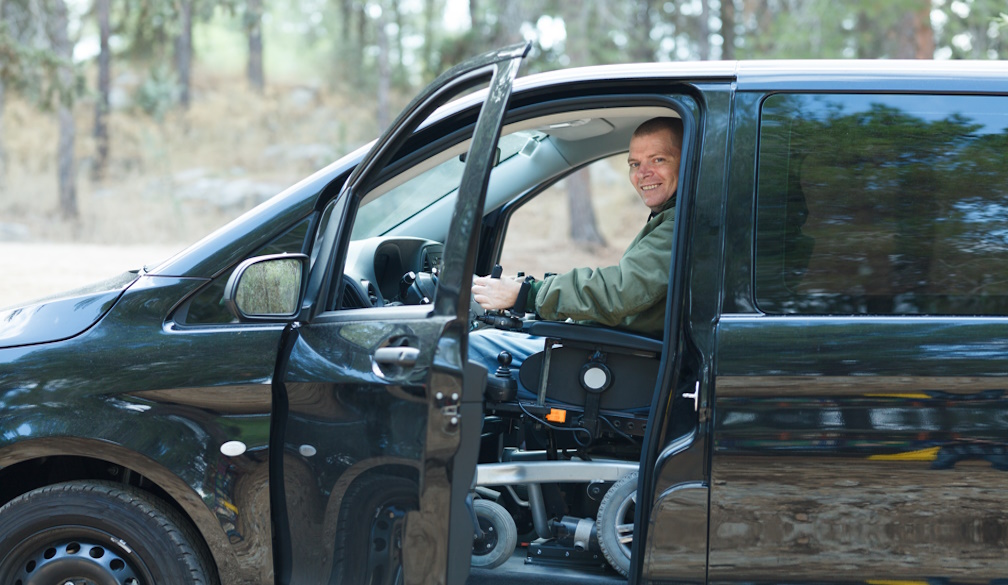
Driving is essential to a person's sense of independence, particularly those with prosthetic limbs or limb amputations who are transitioning to their regular routines after recovery. In New South Wales (NSW), the process of returning to driving after limb loss involves careful evaluation to ensure safety on the road. This guide outlines the steps for occupational therapy driving assessments, legal requirements, and vehicle modifications to help amputees regain their driving ability.
Continue reading to learn more.
OT Driving Assessment
The first step for individuals with prosthetic limbs or limb loss who wish to return to the road is an occupational therapy driving assessment. The OT driving assessment evaluates whether a person can safely operate a vehicle given their medical condition. An occupational therapist driving assessor will review the driver's physical condition, residual limb functionality, and any cognitive impacts that may affect driving ability.
The assessment includes both an off-road and on-road evaluation. The off-road portion examines strength, coordination, and reaction time, while the on-road test assesses practical driving skills in a controlled environment. For those with lower limb amputations, the occupational therapist will check if the driver can safely use the foot accelerator or if modifications like a left foot accelerator are needed.
Driving with an Amputation
Adapting to driving with an amputation requires careful planning and sometimes vehicle modifications. Here are the most common adaptations and their purposes:
-
- Hand controls: These devices replace foot pedals with hand-operated levers for acceleration and braking, making them ideal for lower limb amputees or those with limited leg mobility.
- Left-foot accelerators: Allow drivers with right leg amputations to use their left foot for acceleration while maintaining standard braking.
- Steering aids (Knobs/Spinners): Attachments to the steering wheel that enable one-handed steering, helpful for upper limb amputees.
- Pedal modifications: Relocation or customisation of pedals to accommodate prosthetic limbs or residual limbs more comfortably.
- Wheelchair-accessible vehicles: These have ramps, lifts, and specialised seating for wheelchair drivers, providing full vehicle access without transfers.
An occupational therapist will work with the driver and a vehicle installer to determine the best driving modifications for their needs. The goal is to ensure comfortable driving while meeting legal requirements set by NSW driver licensing authorities.
Common Challenges for Amputees Returning to Driving
Adapting to driving after limb loss presents several physical and psychological hurdles. Below are key challenges amputees often face, along with their potential impact:
-
- Adapting to modified controls: Switching from manual to automatic transmission or learning hand controls/left-foot accelerators requires retraining muscle memory and coordination.
- Phantom limb pain & residual limb sensitivity: Discomfort or unpredictable nerve sensations can distract drivers or make prolonged sitting painful.
- Reduced mobility & range of motion: Limited movement in the residual limb may hinder smooth operation of pedals, steering wheels, or secondary controls.
- Psychological barriers: Fear of slower reactions or judgment from others may delay a return to driving, even after physical recovery.
- Spatial awareness changes: Amputations affecting the dominant side or balance can alter depth perception and vehicle positioning.
Addressing these challenges often requires a tailored approach, combining rehabilitation, adaptive technology, and gradual practice to restore safe and confident driving.
The Role of Rehabilitation Services in Driver Readiness
Rehabilitation allows amputees to regain the skills and confidence needed for driving. Occupational therapists and prosthetists work together to assess strength, coordination, and prosthetic limb functionality, ensuring the driver can safely operate vehicle controls. Many amputee rehabilitation programs include targeted exercises to improve mobility, reaction time, and adaptability behind the wheel.
Before undergoing an occupational therapy driving assessment, patients often complete an amputee rehabilitation therapy program to build endurance and refine their movements. These programs may also simulate driving scenarios to practice using modified controls, such as hand-operated brakes or left-foot accelerators. By addressing physical and cognitive challenges early, rehabilitation services help streamline the transition back to driving while meeting NSW's medical fitness standards.
Legal Considerations and Licensing
Drivers using prosthetic limbs must provide a medical report from their healthcare team, including medical specialists, confirming their medical fitness to drive. The driver licensing authority may impose licence conditions based on the occupational therapy driver assessment. For example, a driver may be restricted to vehicles with specific disability driving aids.
Heavy vehicle assessments are required for those seeking a commercial vehicle licence, while light vehicle drivers may only need a standard driving assessment. Meanwhile, insurance for drivers with modifications should also be reviewed, as some policies have specific requirements for accessible vehicles.
Conclusion
Returning to driving after limb loss is possible with the proper support. Occupational therapy driving assessments play a crucial role in determining safe driving options, while vehicle modifications and legal approvals ensure compliance with NSW regulations. By working with an occupational therapist and rehabilitation services, amputees can regain their independence and continue enjoying community mobility.
For more information, contact the NSW driver licensing authority or consult an expert in driver training for personalised advice.