What SMEs Should Look For When Choosing a Shared Office in 2026
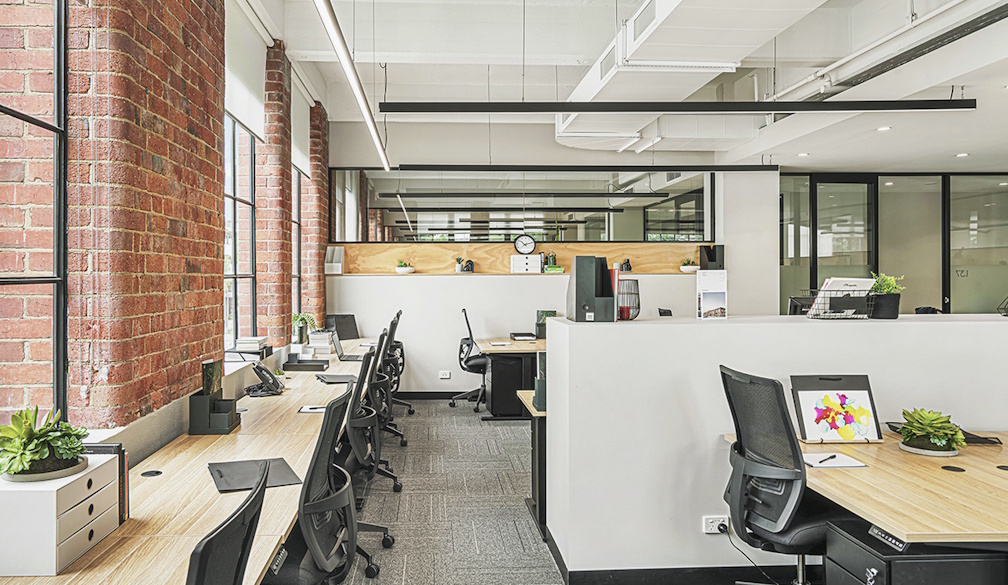
Small and medium-sized enterprises remain the backbone of Australia’s economy. As of mid-2024, small businesses accounted for over 97% of all Australian businesses, representing more than 2.58 million active enterprises across the country. In a landscape where competition is intense and economic pressures continue to shift, SMEs must make workplace decisions that balance financial responsibility with the need to support staff, collaborate effectively and present a professional image to clients.
Hybrid work is firmly entrenched. ABS data shows that around 36% of Australians work from home on a regular basis, a significant departure from pre-pandemic norms. The Australian HR Institute’s research further reveals that many employers expect hybrid arrangements to grow or remain stable in the medium term. For SMEs operating with tighter budgets, this has created a new challenge, to provide an office environment that justifies the commute, strengthens team culture and still supports flexibility.
As we move into 2026, shared workspace solutions have become popular options for small businesses. They allow SMEs to access premium amenities without committing to long leases or costly fit-outs. But selecting the right shared office requires paying attention to more than convenience or price. It involves understanding how workplace expectations have evolved and what kind of space truly supports performance.
1. A Location That Works for Staff and Clients
The meaning of a “good office location” has changed dramatically. Workers are no longer willing to travel long distances just to sit at a desk; instead, they want office spaces that minimise commute time and complement their lifestyle. This shift has helped elevate the popularity of inner-city fringe areas, neighbourhoods that offer strong transport options, vibrant retail strips and a more relaxed atmosphere than traditional CBD towers.
For SMEs that need to host meetings, train staff or collaborate in person, a convenient location does more than reduce travel frustration, it becomes part of their brand experience. Visiting clients immediately form impressions based on the surrounding streets, building entry and general accessibility. Research on workplace flexibility has consistently shown that environments supporting work–life balance improve job satisfaction and retention.
When comparing shared office options, SMEs should look at:
-
Distance from trains, trams or major bus routes
-
Local amenities, including cafés where informal discussions can occur
-
Nearby fitness centres, bike paths or parking support
-
How safe and walkable the neighbourhood feels
A workplace that feels effortless to reach is far more likely to draw staff into the office regularly, a growing challenge in hybrid environments.
2. Flexible Terms and Transparent Pricing
Traditional commercial leases often lock SMEs into multi-year terms, require substantial upfront investment, and offer little room for adjustment as the business evolves. Shared office providers, on the other hand, have reshaped expectations by offering month-to-month arrangements, simpler upgrades and bundled amenities.
Global demand for flexible workspace as SMEs gravitate toward solutions that allow them to scale without financial strain. Many organisations are planning to expand their flexible office usage in the years ahead, driven by the need to align space with hybrid patterns and team changes.
SMEs should focus on agreements that:
-
Offer short commitments with clear renewal options
-
Allow seamless movement between hot desks, dedicated desks and private rooms
-
Include essential services such as cleaning, utilities, internet and reception
-
Provide predictable monthly pricing with no unexpected add-ons
With economic uncertainty still affecting many industries, avoiding hidden costs is a strategic advantage. SMEs can budget more confidently when they know exactly what their shared workspace will cost each month.
3. Quality of Facilities and Workspace Design
The physical environment influences how people think, collaborate and perform. Research has shown that workers often achieve higher productivity in well-designed office environments compared with improvised home setups, especially when lighting, acoustics and ergonomics are optimised. Studies of high-performance workplaces further highlight the benefits of offering multiple work modes, spaces for deep concentration, areas for spontaneous collaboration and social zones that foster connection.
When evaluating office spaces, SMEs should consider:
-
Quality of lighting and access to natural daylight
-
Ergonomic chairs, work-ready desks and comfortable temperatures
-
Sound-managed areas, including quiet rooms or focus booths
-
Thoughtful communal areas that encourage informal conversation
-
Professional meeting rooms equipped for presentations or client discussions
A well-designed flexible office space supports individual productivity and team momentum. It also helps staff feel valued, an important factor in attracting and retaining talent in competitive industries.
4. Technology That Supports Hybrid Work
Hybrid work relies heavily on technology that connects people across different locations. For SMEs that frequently run virtual meetings with clients, suppliers or team members working from home, reliable tech is essential, not optional.
A modern shared workspace in 2026 should include:
-
High-speed, secure internet built for heavy usage
-
Video-enabled meeting rooms with clear audio and large screens
-
Easy systems for booking desks, rooms and collaboration zones
-
Secure entry systems to protect business information
Smart workplace tools, such as occupancy sensors or digital booking displays are gradually becoming more common. These technologies help workspace operators optimise layout and availability, but they also create a more predictable experience for tenants. SMEs benefit when the workspace functions smoothly without requiring internal IT intervention.
5. Community and Professional Network
A shared workspace is not just a physical environment; it can become part of an SME’s professional ecosystem. Surrounding yourself with other growing businesses creates opportunities for referrals, project partnerships and knowledge-sharing that don’t naturally occur in standalone leased offices.
When visiting shared office providers, SMEs should evaluate:
-
Whether the community feels active and welcoming
-
The availability of workshops, networking events or socials
-
How approachable the community manager or staff are
-
Whether the mix of industries complements their own
Research into flexible office adoption suggests that the networking advantage is a key reason many SMEs choose shared offices over private commercial leases. By working alongside diverse professionals, businesses gain access to ideas, expertise and potential clients.
6. Wellbeing and Workplace Experience
Employee wellbeing has evolved from a nice-to-have into a business priority. Studies show that comfort, environmental quality and access to quiet spaces help reduce stress and support better focus. For SMEs competing for skilled talent, offering a pleasant workplace experience can set them apart from larger firms with more rigid structures.
-
Key wellbeing features to look for include:
-
Quiet rooms or phone booths for confidential calls
-
Greenery or biophilic design elements
-
Breakout areas where staff can decompress
-
Low-noise environments suitable for deep, uninterrupted work
A shared office that supports wellbeing encourages staff to come in more often, collaborate more efficiently and maintain healthier routines.
7. A Space That Reflects the Brand
An office is a touchpoint of brand identity. Whether meeting a client in person or hosting a virtual call, the backdrop of the environment communicates professionalism and culture. SMEs should choose office spaces that align with the tone they want to project, whether creative, polished, innovative or community-focused.
A well-chosen shared office offers consistent visual and experiential cues that can strengthen trust with clients and create a sense of pride among staff.
A Smart Way for SMEs to Work
With millions of small businesses shaping Australia’s economy, and hybrid work becoming an enduring norm, 2026 will be a year where workplace strategy plays a significant role in SME growth. Choosing the right office space can help SMEs control costs, improve staff engagement and build a strong professional presence.
By prioritising location, flexibility, design, technology, community and wellbeing, SMEs can select shared office environments that not only meet today’s needs but support tomorrow’s ambitions. A well-chosen workspace is more than an operational base, it becomes a platform for performance, reputation and long-term success.

About the author
Esther – Sales & Marketing Manager at United Co. – has been involved in the shared workspace and flexible office industry for over 8 years. Esther has seen the industry evolve and is passionate about helping businesses find the right workspace solutions to help their team grow. When not at work, she is out exploring the Melbourne food scene.