What to Look for in an Investment Property
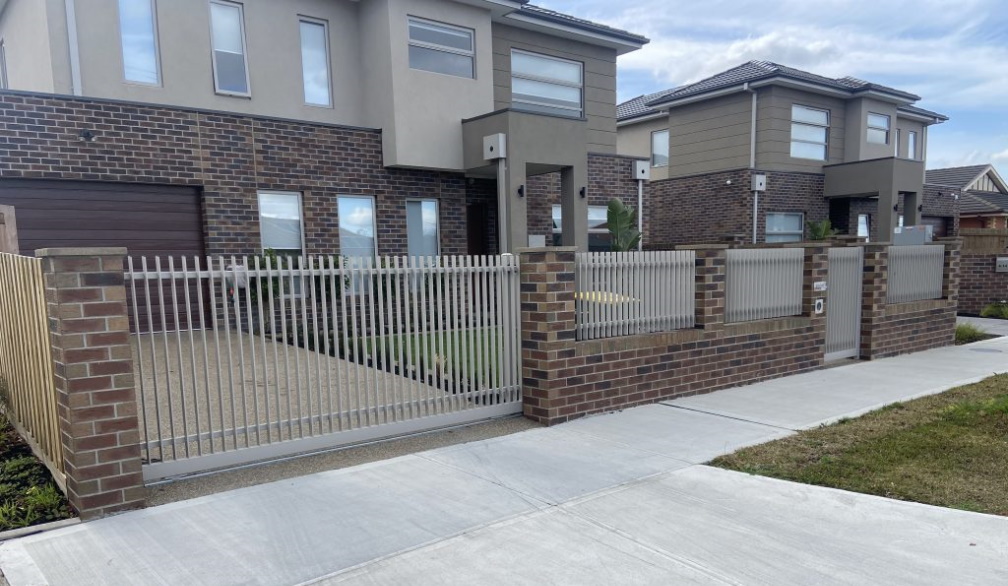
Buying an investment property has historically been a great way for Australians to build long-term wealth. But with high investment costs, you don’t want to make a mistake. Knowing what to look for in an investment property as you start browsing listings can save you time, money and plenty of stress. In this article, we provide you with some thoughts and strategies as a starting place before you go deeper into what will make the best investment for you, your situation and the location of the property.
Start with location and tenant demand
Location is the factor most experienced investors return to, and for good reason. You can renovate a kitchen or repaint a fence, but you cannot move a house closer to a train line or a school. Look for suburbs with strong rental demand, low vacancy rates and a steady population. Proximity to employment hubs, hospitals, universities, public transport and shopping centres all make a property easier to rent and easier to sell later.
It also helps to look at where an area is heading rather than where it has been. Planned infrastructure, new employers moving in and local council investment can all signal future growth. Population forecasts from state and local governments are a useful starting point, and they are usually free to access.
Understand the numbers before you fall for the house
It is easy to buy with your heart, but an investment property is a financial decision first. Rental yield, which is the annual rent as a percentage of the purchase price, gives you a quick way to compare properties. Capital growth, which is the increase in value over time, is the other half of the equation. Some properties deliver stronger yields while others lean towards growth, and the right balance depends on your goals and your cash flow.
When thinking about what to look for in an investment property, remember that the purchase price is only the beginning. Council rates, water charges, landlord insurance, property management fees, maintenance and periods without a tenant all reduce your return. Land tax can also apply depending on your state and the value of your holdings. Building a realistic buffer into your budget protects you if interest rates rise or a repair turns out to be larger than expected.
What to look for in an investment property beyond the listing
Once a property passes the numbers test, the physical details matter. A building and pest inspection is essential because structural problems, termite damage or poor drainage can turn a promising purchase into an ongoing expense. Pay attention to the age of the roof, the condition of the plumbing and electrical work, and any signs of moisture.
Tenant appeal is another practical consideration. Renters tend to value functional layouts, secure parking, good natural light and low-maintenance gardens. Features such as air conditioning and an outdoor entertaining area can help a property stand out in a competitive market. In Australia, it is also worth checking for flood, bushfire and coastal erosion risk, as these can affect both insurance premiums and long-term resale value.
If you are considering an apartment or townhouse, review the strata records carefully. High body corporate fees, a poorly funded sinking fund or planned special levies can quietly eat into your returns.
Building a home as an investment
Buying an established property is not the only path. Building a new home to rent out has become an increasingly popular strategy, particularly in growing regional centres. A new build typically comes with lower maintenance costs in the early years, modern energy efficiency and a builder's warranty, which gives you some protection against defects.
There can be tax advantages as well. New properties generally offer greater depreciation benefits than older ones, which may help reduce your taxable income. Your accountant can explain how this applies to your situation. New homes also tend to attract tenants who are willing to pay a premium for a modern, well-designed space.
If you go down this route, choosing the right builder is critical. Local knowledge matters, since regional builders understand council requirements, soil conditions and the style of home that suits the area. For example, Bundaberg home builders are familiar with the Wide Bay region, from flood-aware design to the layouts that appeal to local families and workers. Speaking with several Bundaberg home builders, comparing their past projects and checking their licences and reviews will give you a clearer picture of quality and reliability.
Keep in mind that building comes with its own considerations. You will need to factor in the land purchase, the construction timeline, potential delays and holding costs while the home is being built, since there is no rental income until it is finished. A fixed-price contract and a clear understanding of inclusions can help you avoid surprises.
Match the property to your own situation
The best investment property is the one that suits your finances, your risk tolerance and your timeframe. A property that suits a high-income investor focused on growth may not suit someone who needs positive cash flow from day one. Speaking with a mortgage broker, an accountant and an independent financial adviser can help you understand your borrowing capacity and the tax implications before you commit.
In the end, successful property investing is rarely about finding a perfect property. It is about doing thorough research, understanding the full costs and choosing a property that tenants want to live in for years to come.
Disclaimer: This is general information only. It is not financial advice. Always seek the services of a licensed financial advisor prior to making investment decisions.