Why the Price Tag on a Hearing Aid Doesn't Predict How Well It Will Actually Work for You
- Written by: Times Media
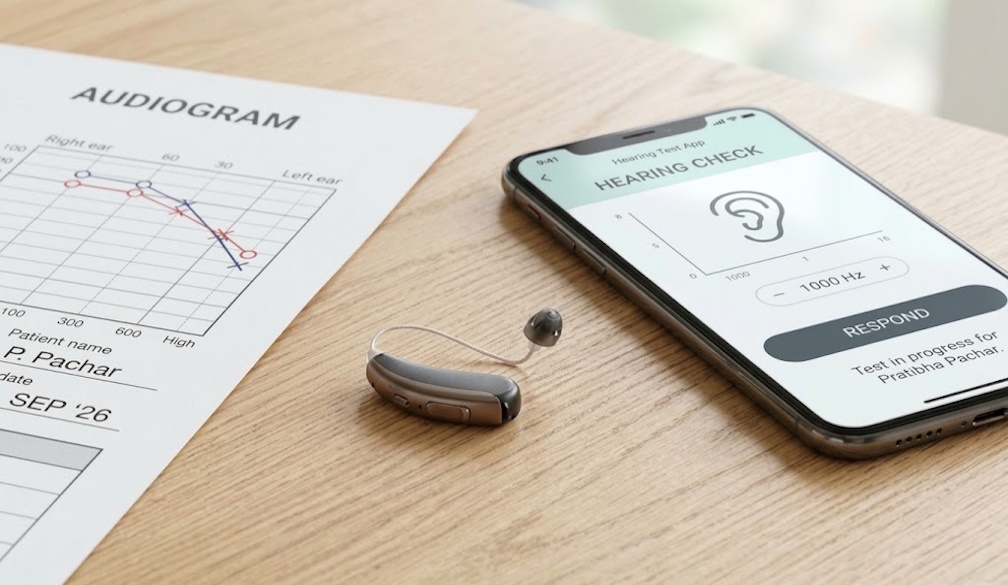
A $3,995 hearing aid and a $1,995 hearing aid from the same manufacturer can produce very different results for two different people, and the price gap between them only explains part of why. Comparing hearing aids by price and spec sheet treats them like headphones, where a higher number generally buys better sound for everyone. Hearing aids don't work that way, because the hardware is only half of what determines the outcome.
What Actually Changes Between Hearing Aid Tiers
The genuine differences between hearing aid tiers are real and worth understanding. Higher tiers typically include more sophisticated directional microphone systems that isolate speech from background noise more effectively, more advanced processing for filtering competing sounds in group settings or restaurants, better Bluetooth streaming quality and compatibility, and in some cases features aimed at tinnitus management. Rechargeable batteries versus disposable ones is largely a convenience difference rather than a performance one. These distinctions matter and do produce a noticeably different listening experience, particularly in complex environments like busy workplaces or social settings with a lot of competing noise.
The Variable a Price Comparison Doesn't Show
What a price and spec comparison doesn't capture is how precisely the device is programmed to an individual's actual measured hearing loss. A hearing aid's default settings are a starting point, not a finished configuration, and the process of adjusting frequency-specific amplification to match a person's audiogram is what actually converts the hardware's capability into a usable result. Two people wearing the identical model can have meaningfully different experiences if one has been carefully fitted to their specific loss pattern and the other is running closer to factory defaults. A higher tier device with imprecise programming can underperform a mid-tier device that's been fitted accurately, particularly for someone with straightforward, symmetric hearing loss and relatively simple listening needs.
Hearing loss also isn't uniform across frequencies for most people. Someone might have close to normal hearing in lower frequencies but a significant drop in the higher ones, which is common with age-related and noise-induced hearing loss, and a device programmed evenly across the frequency range rather than shaped to that specific pattern will underdeliver on speech clarity regardless of how advanced its underlying processing is. This is why two people can report very different satisfaction levels with what is, on paper, the exact same product.
Where This Matters When Buying Online
Comparing Oticon hearing aids Australia wide by price alone misses this variable, since a listed price reflects the device's tier, not how it will be configured once it arrives. Buying through an online retailer rather than an in-person clinic changes how that programming step happens rather than removing the need for it. Some retailers require a recent audiogram or hearing test result before shipping, using that data to pre-program the device, while others rely more heavily on app-based self-adjustment tools that let the wearer fine-tune settings themselves after the fact. Neither approach is inherently worse than an in-clinic fitting, but they place different amounts of responsibility on the buyer to get the configuration right, which is worth understanding before purchase rather than after.
Matching the Tier to the Actual Need
None of this means everyone should default to the top tier to be safe. Someone with mild to moderate, fairly symmetric hearing loss whose listening environments are mostly quiet, home, one-on-one conversation, familiar settings, often does perfectly well on a mid-tier device once it's properly fitted. The more advanced noise processing and directional microphone systems in premium tiers earn their price difference in genuinely complex environments: noisy workplaces, frequent group dining, live music, or environments with multiple simultaneous conversations. Matching tier to actual listening demands, rather than defaulting to the most expensive option available, is usually the more useful decision than assuming higher price guarantees a better outcome.
What's Actually Worth Comparing
For anyone comparing hearing aid options online, the more useful comparison sits beyond the price column: whether a recent hearing test or audiogram is required or recommended before purchase, what programming or fine-tuning support is available after the device arrives, and whether ongoing adjustments are possible without needing to return the device. A well-matched, correctly programmed mid-tier device will often outperform a premium one configured poorly, which is the detail a price comparison table was never going to show in the first place.