What Four Hundred Years of Karatsu Pottery Teaches About Tea
- Written by: Times Media
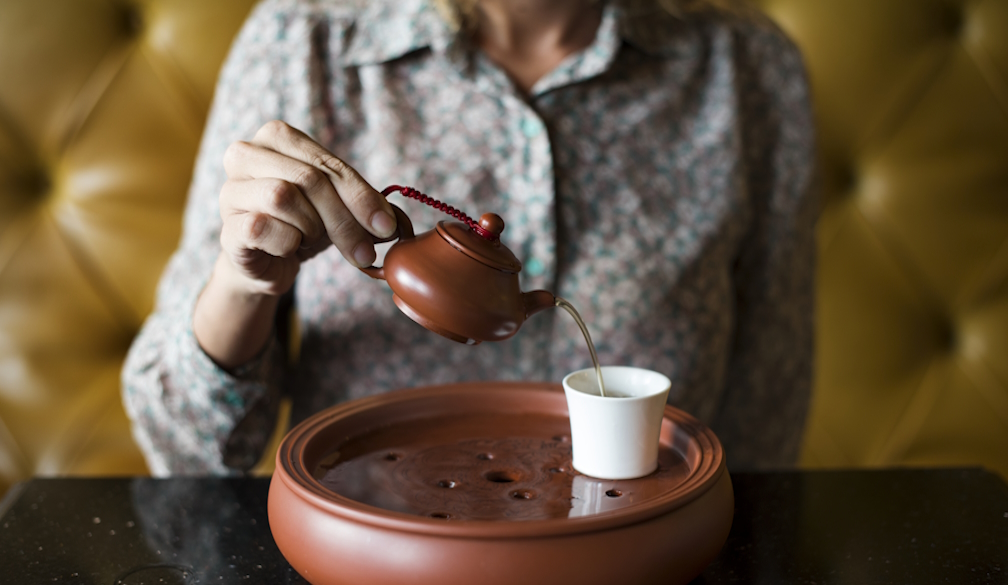
Karatsu pottery, with its rich legacy spanning over four centuries, remains a significant cultural hallmark in the realm of Japanese ceramics. This enduring tradition offers profound insights into the intersection of craft and tea culture, demonstrating how meticulous craftsmanship enhances the tea experience. To truly appreciate the essence of tea, one must understand how vessels such as those from Karatsu pottery contribute not only to the aesthetics but also to the overall sensory engagement of tea drinking. For an authentic tea experience complemented by exquisite ceramics, exploring IKKYU Tea curated Japanese teas provides an excellent starting point.
Historical Context of Karatsu Pottery
Karatsu pottery originated in the early 17th century in northern Kyushu, Japan, specifically in the Saga Prefecture. Its genesis was influenced by Korean potters who migrated to Japan, bringing their unique techniques and styles. Over the centuries, Karatsu pottery evolved, adopting native Japanese aesthetics whilst retaining its foundational principles. It flourished notably during the Edo period when it became closely linked with the Japanese tea ceremony, favoured by tea masters for its understated elegance and rustic charm.
Characteristics of Karatsu Pottery
Karatsu ceramics are noted for their simple, utilitarian design and natural ash glaze effects. The ware often exhibits subtle hues of earthy browns, charcoal greys, and creamy whites, showcasing the beauty of imperfection intrinsic to the wabi-sabi aesthetic. The surface textures and form of Karatsu pottery are created using traditional firing methods, typically in an anagama or noborigama kiln, which imbue each piece with unique kiln marks and glaze variations.
The Role of Karatsu Pottery in Tea Culture
The Japanese tea ceremony, or chanoyu, is a practice deeply intertwined with cultural symbolism and spiritual reflection. The use of Karatsu pottery in this context emphasizes harmony, respect, purity, and tranquility. These ceramics help embody these values by invoking a sense of natural simplicity and calm. This highlights how the tactile qualities and individual character of tea ware contribute to the mindfulness of the tea ceremony’s participants.
Complementing Matcha Rituals
Matcha, powdered green tea, is integral to traditional Japanese tea ceremonies. The choice of tea bowls and related implements significantly affects the preparation and consumption of matcha. The robustness and organic feel of Karatsu tea bowls enhance the sensory experience, fostering a deeper connection between tea and drinker. Alongside carefully selected matcha, the appropriate tools can elevate this ritual. For those seeking quality implements, a fine selection of matcha accessories complements the use of traditional pottery.
Artisanal Techniques and Sustainability
Karatsu pottery is crafted by artisans dedicated to preserving historical techniques while adapting to contemporary needs. Each phase, from clay selection to firing, involves precise manual labour and an intimate understanding of materials. This bespoke approach aligns with modern sustainability principles, promoting slow craftsmanship over mass production. Consumers increasingly value these methods for their ecological mindfulness and cultural authenticity.
Clay and Firing Processes
The raw materials used for Karatsu pottery are sourced locally, contributing to the distinct character of the ware. Clay is carefully prepared to ensure durability and desirable texture. Firing in wood-burning kilns allows natural ash glazes to form, enhancing the vessel's resilience and aesthetic appeal. This process requires expertise and close monitoring to achieve the traditional qualities valued in tea ware.
Impact of Karatsu Pottery on Modern Tea Practices
Contemporary tea enthusiasts and ceramists alike draw inspiration from Karatsu pottery’s heritage. Its ethos encourages a mindful appreciation of tea, where the vessel becomes a vital participant in the ritual rather than a mere container. This philosophy informs the selection of organic and sustainably produced teas to complement the tea experience fully. For those interested in high-quality tea, organic green tea selections provide natural flavours that align well with traditional ceramics.
Preserving Cultural Heritage Through Ceramics
Understanding Karatsu pottery extends beyond its functional use. It represents a living cultural heritage that connects past and present artisans with tea practitioners worldwide. Engaging with this tradition encourages a deeper respect for craftsmanship and the cultural narratives embedded within tea culture. Efforts to preserve and promote such heritage ceramics contribute to sustaining Japan’s artistic legacy.
Educational and Experiential Opportunities
Museums and workshops often provide opportunities to study and experience Karatsu pottery first-hand. These platforms emphasise hands-on learning, allowing individuals to appreciate the complexity and artistry of the craft. Such educational experiences foster a broader appreciation of the artistry behind tea ware and inspire the next generation of ceramic practitioners.
The Aesthetic Philosophy of Wabi-Sabi in Karatsu
The philosophy of wabi-sabi, centred on the beauty of imperfection and impermanence, is manifest in Karatsu pottery. This outlook encourages tea enthusiasts to value asymmetry, roughness, and natural changes that occur with time and use. The tactile and visual qualities of Karatsu ware exemplify this aesthetic, reinforcing the contemplative nature of tea rituals.
Enhancing the Sense of Connection
Using Karatsu pottery fosters a profound connection between the tea, the vessel, and the individual. The sensory experience enhanced by tactile surfaces and irregularities invites mindfulness and appreciation. This connection is a core element of tea culture, transforming ordinary moments into meaningful rituals.
Conclusion
Karatsu pottery’s four hundred years of history provides valuable lessons about the harmonious integration of craftsmanship and tea culture. Its enduring popularity attests to the significance of traditional ceramics in enhancing the sensory and spiritual aspects of tea drinking. By combining this heritage ware with carefully curated teas and accessories, such as those offered by IKKYU Tea, tea practitioners can experience the full depth of Japanese tea traditions.