Skin Cancer: Warning Signs and Prevention Advice
- Written by: NewsServices.com
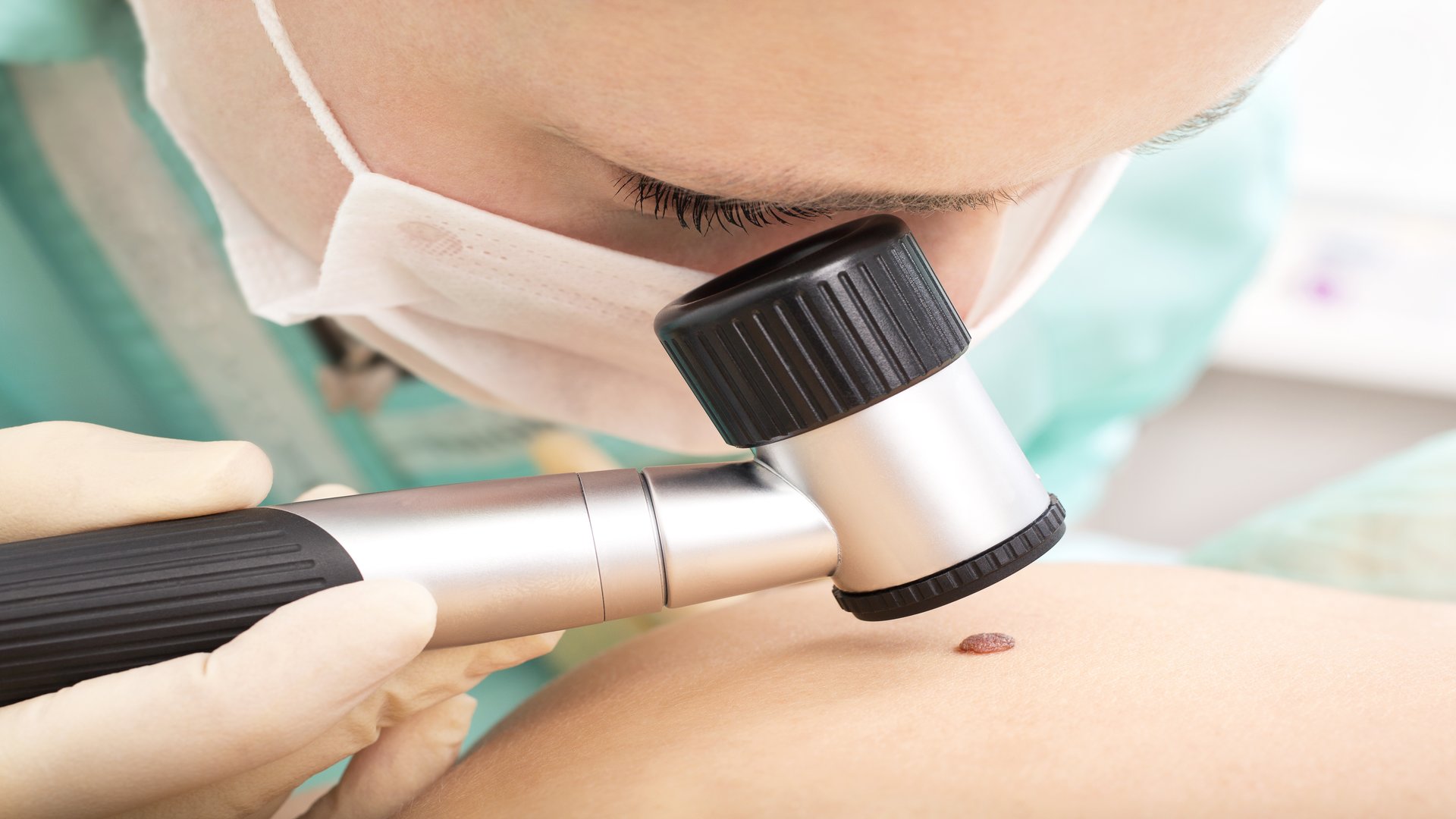
Skin cancer develops when skin cells multiply and expand in an unchecked and chaotic way.
New skin cells often develop as existing ones deteriorate, die, or sustain harm. Rapid cell growth occurs when this procedure doesn't function properly (some may be abnormal cells). This collection of cells may be malignant, which if left untreated can spread to surrounding tissues or other parts of your body, or noncancerous (benign), which does not spread or harm. early identification and therapy.
Typically, exposure to the sun's ultraviolet (UV) radiation leads to skin cancer. Concerns concerning sun exposure extend beyond the appearance of sunburn or dry skin. The increased risk of skin damage and, in some circumstances, skin cancer, which is the most prevalent type of cancer, is the main worry associated with exposing our skin to the sun's harmful rays. Skin cancer is a risk for both men and women.
Basal cell cancer and squamous cell cancer are the two most prevalent kinds of skin cancer. Although both cancers are very treatable, if they are not treated, they can result in significant harm and disfigurement. The third most prevalent and lethal form of skin cancer is melanoma. A mole or a brand-new dark area on the skin may grow as a result of melanoma.
Symptoms of Skin Cancer
The skin on the face (including the lips), ears, neck, arms, chest, upper back, hands, and feet is most frequently affected by skin cancer. It can also manifest itself in places of the body that are less visible to the sun, such as the vaginal region, between the toes, under the fingernails, on the palms of the hands, and on the soles of the feet.
-
A shiny lump that is flesh- or red-colored on top of the skin.
-
Feelable red areas that are rough or scaly.
-
Growths with elevated margins and a crust or bleeding in the centre
-
Warty development
-
Poorly defined growths that resemble scars
-
New skin lesions that alter the size, form, or hue of pre-existing stains. There is no one way to define what skin cancer looks like because these changes might vary greatly.
-
A wound that doesn't heal and bleeds or develops a crust.
Prevention
-
Don't use tanning beds. Use a spray tan if you want a uniform appearance.
-
Consult your doctor or pharmacist to find out whether any medications you are taking cause your skin to become more sensitive to the sun. Tetracycline and fluoroquinolone antibiotics, tricyclic antibiotics, the antifungal griseofulvin, and cholesterol-lowering statins are a few drugs that have been linked to increased sensitivity to the sun.
-
At noon, the sun's rays are at their harshest, so find shade or wear clothing to cover up. Think about donning long sleeves, long pants, sunglasses, and a hat with a wide brim. If you are close to snow, sand, or water, exercise extra caution. These surfaces may reflect sunlight and amplify its effects.
-
To protect your hands and feet, put on long sleeves and long pants. For further protection, look for garments with the UV protection factor marking.
-
Put on sunglasses to safeguard your vision. Look for sunglasses that are UV-B and UV-A rays-blocking.
Conclusion
You may still enjoy a risk-free summer in the sun. Limiting exposure to the sun is the first step in preventing sunburn and UV damage. When going outside in the sun, make sure to always wear sunscreen.
Ensure that you have your skin examined for skin cancer on a yearly basis at a prominent Gold Coast skin cancer clinic.