Victoria votes Labor out as Jess Wilson leads Coalition to victory
- Written by: The Times
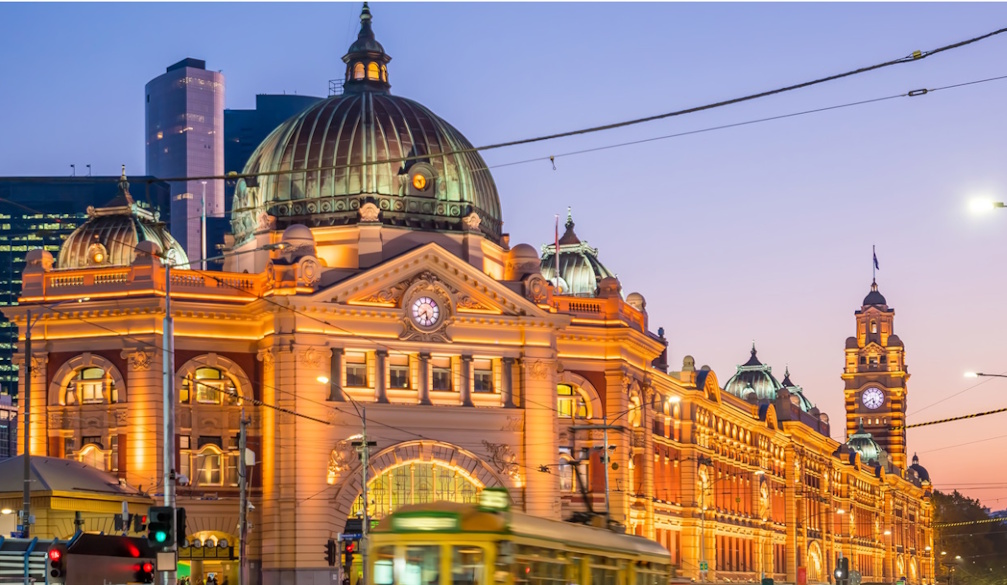
The Coalition has ended 12 years of Labor government, outgoing premier Ben Carroll is projected to lose his own seat, and the Greens have made gains in Melbourne. One Nation’s best chance of wielding influence lies in the upper house.
Victoria has elected a Coalition government for the first time since 2010. Liberal leader Jess Wilson will become the state’s 51st premier after a decisive swing ended Labor’s three-term run and put seats long considered safe for the party in play.
The result was clear on Saturday night, even as much of the electoral map remained unsettled. At 2.42am on Sunday, with 56.5 per cent of the lower-house vote counted, the ABC had called 48 seats for the Liberal–National Coalition, six for the Greens and three for Labor. It had called none for One Nation or other candidates, with 31 of the 88 seats still in doubt. The Coalition had already passed the 45 seats needed for a majority. Labor’s tally is expected to rise as more seats are decided.
The winners and losers
Wilson is the clear winner. Her campaign put community safety, road maintenance and state debt at the centre of the contest. Voters have given her the numbers to form government in her own right, without relying on One Nation or independents for a lower-house majority.
The most personal defeat belonged to Ben Carroll. After barely four months as premier, he conceded the election and was projected to lose Niddrie, his own electorate. Labor won 56 seats in 2022. Its loss on Saturday was broad enough to raise a question that would have seemed extraordinary at the start of the term: how large will its parliamentary party be when it returns to Spring Street?
The Greens had their strongest showing in the inner and middle suburbs. They were projected to retain Melbourne, Richmond and Brunswick and gain Northcote, Footscray and Pascoe Vale, with other contests still open. One Nation’s Victorian leader, Warren Pickering, fell short in Pakenham, where the Liberals were projected to win.
What voters said
In interviews and audience responses before polling day, Victorians raised household costs, housing affordability, crime, access to health care and the condition of regional roads. Melbourne voters interviewed by SBS also raised jobs and the state’s treaty process. Those concerns help explain the range of issues in the campaign. The results show how differently voters responded from one electorate to the next.
Across enough of Victoria to change the government, the Coalition was the beneficiary. In parts of Melbourne, voters backed the Greens. One Nation drew support in regional Victoria and showed it could compete in some outer-suburban contests. Labor’s defeat came from losing ground in several directions at once.
The Greens gave Labor’s left an exit
For progressive voters disillusioned with Labor, the Greens offered a way to vote for a change of government without backing the Coalition. Gains in places such as Footscray and Pascoe Vale matter because they show the party can win beyond the inner-city seats it already held.
There is competition on that side of politics, too. One Carlton North voter told the ABC she usually voted Greens but had chosen the Victorian Socialists this time. One interview can only tell us about one ballot, but it illustrates the choices available to voters on the left. Labor’s task in Melbourne is to give those voters a reason to come back, while the Greens have to hold the newcomers they attracted on Saturday.
One Nation’s influence may come through the upper house
One Nation went from fielding five lower-house candidates in 2022 to contesting all 88 districts this time. Its support in regional Victoria was one of the clearest signs that the party had expanded its reach. Turning that support into lower-house seats is harder. Each district elects one member, and preferences can decide close races. The Legislative Council elects five members from each of eight regions, giving a party with significant regional support a better chance of winning representation.
Late on Saturday, with about 14 per cent of the upper-house vote counted, the ABC’s early estimates put the Coalition on track for 10 seats, with an 11th likely. One Nation was on track for five and in contention for three more. Labor was projected to win four, with two more likely, and the Greens were on track for three and in contention for another three. Those were early projections across a 40-seat chamber. A majority requires 21.
The final count will show how much room Wilson has to pass legislation. If the Coalition falls short of 21, it will need support from outside its own ranks. One Nation could be influential on some bills, with Labor, the Greens and other crossbenchers offering different routes to a majority depending on the issue.
What it means for federal seats
Anthony Albanese’s government has two Victorian results to study. In Melbourne’s inner north and west, the Greens’ gains show the risk to Labor when progressive voters have a credible local challenger. On Melbourne’s fringe and in regional Victoria, One Nation’s vote raises a different question for both major parties: who makes the final two in a close contest, and where do preferences go?
The clearest test will come from comparing state polling booths with federal results in the same neighbourhoods. State and federal boundaries differ, and Saturday’s campaign was fought heavily on state issues. A suburb that swung against Labor over policing, roads or the state budget may vote differently in a federal contest fought on housing, tax and household incomes. Even so, both major parties now have evidence that familiar voting patterns in Victoria can shift quickly.
When does Jess Wilson start work?
Wilson takes office when Governor Margaret Gardner swears her in as premier. As of early Sunday morning, a time for the ceremony had yet to be confirmed. Carroll and his ministers remain in a caretaker capacity until the new government is appointed. The handover can proceed once Wilson demonstrates she has the confidence of the Legislative Assembly, while counting continues in close seats and the upper house.
The Times View
Victoria’s voters have settled who will govern. The upper-house count will help determine how much of Wilson’s program she can deliver, and her first budget will show what takes priority when road repairs, community safety and debt reduction compete for the same dollars. Those are the first practical tests of the change Victorians voted for.