Australia is doing well overall. Why are more people sleeping in tents?
- Written by: The Times
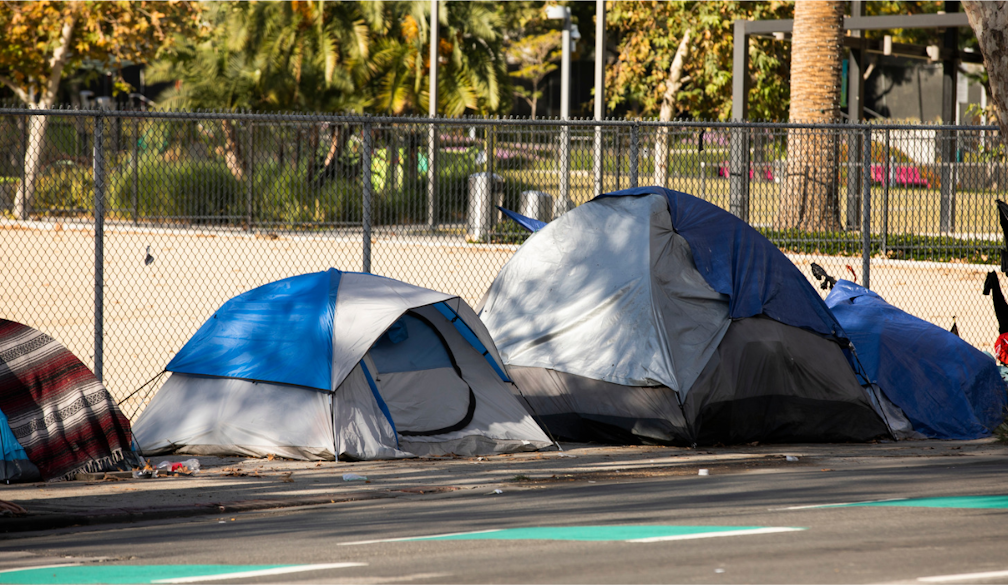
More Australians are turning to homelessness services while sleeping rough. The reasons range from a rent they can no longer afford to illnesses that make it hard to keep a job or a home. What happens after they ask for help is the real test of the system.
Australia remains a prosperous country where, for many people, life is going reasonably well. That makes the sight of tents pitched beside a river, under a bridge or in a public park all the harder to square with the country we know.
National figures show a change behind those scenes. About 34,800 people were sleeping rough when they began receiving help from specialist homelessness services in 2024–25, up from 25,000 five years earlier. The number of clients living in tents rose from about 1,300 to about 3,300 over the same period. Those figures count people who reached a service. The full number sleeping rough is harder to establish.
A tent is also the most visible part of a much larger problem. The last published national Census estimate counted more than 122,000 people experiencing homelessness in 2021. About 7,600 were sleeping out or living in tents or improvised dwellings. Many others were in severely overcrowded homes, boarding houses or temporary accommodation. A council can count the tents in a park. It is much harder to count the families moving from one spare room to the next.
How much choice is there?
Some people do turn down a shelter bed. The reasons matter. A person may fear theft or violence in shared accommodation, may have a dog they cannot bring, or may want to stay near people they trust. Someone fleeing violence may need to get well away from a familiar area. Someone with a job may need to stay close enough to get to an early shift.
Ask what was actually offered. Was it safe? Could the person get there? Could they bring their children or stay with their partner? How long could they stay? A person can make a deliberate decision to sleep outside and still have very little meaningful choice.
Poverty, work and the capacity to hold a job
The path into homelessness can start with something ordinary. A rent increase. A relationship breakdown. A few weeks without shifts. A car repair that absorbs the money set aside for rent. For a household with savings, these are setbacks. For a household already spending most of its income on essentials, one can be enough to lose the lease.
Paid work helps, but a wage needs to be steady enough to cover rent and secure a tenancy. A casual worker can have a job and still lack the regular income, bond or rental history needed to land a place. Sleeping in a car can then make it harder to keep that job. Turning up on time gets more difficult when a shower, a clean uniform and somewhere to charge a phone require planning every day.
There is also a difference between being unemployed and being unable to sustain regular work. Some people can return to employment with stable housing, treatment or flexible hours. Others have a disability or illness that severely limits what they can do over a working week, even with support. Their housing needs remain whether or not paid work is possible.
Mental illness can come before or after the tent
A serious mental illness can make it difficult to manage bills, answer a landlord’s calls or keep up with appointments. Living outside can make an existing condition harder to manage. Sleep is interrupted, medications can be hard to store and a missed appointment may mean another long wait.
Housing and mental health services often deal with different parts of the same person’s life. Someone can leave hospital with a treatment plan and still have nowhere secure to sleep that night. An outreach worker can help someone get to an appointment, but maintaining treatment week after week is harder when the person keeps having to move.
Family and domestic violence also deserves a central place in this discussion. Two in five clients of specialist homelessness services in 2024–25 had experienced it. For someone leaving a violent household, homelessness can begin with the decision that staying home is more dangerous than leaving.
The welfare agencies and the dollars behind them
Governments spent about $1.8 billion on specialist homelessness services in 2024–25. Those services assisted almost 289,000 people, including people who were already homeless and people at risk of losing their housing. The money pays for work such as outreach, crisis accommodation, help to preserve a tenancy and support to navigate housing and other services.
Even with that expenditure, about one in three clients who needed short-term or emergency accommodation went without it. That is a concrete measure of the gap between asking for a bed and getting one.
A welfare agency can help negotiate with a landlord, arrange a motel room for a few nights or prepare a housing application. Each can matter enormously. The work gets harder when the motel booking ends on Monday and there is scarcely a rental the client can afford. The spending questions are how often agencies prevent an eviction, how many people move from crisis accommodation into stable housing, and how many are still housed six or twelve months later.
How can someone who is not an Australian citizen qualify for the NDIS?
Australian citizenship is one of three ways to meet the NDIS residency rules. A person who lives in Australia can also meet them as a permanent resident or as the holder of a Protected Special Category visa, a status held by some New Zealand citizens. An ordinary temporary visa falls outside those arrangements. Applicants must also meet the scheme’s age requirements and its disability or early intervention requirements.
There is a direct connection to homelessness for some people. A mental health condition can qualify through the disability pathway when it causes a likely permanent impairment that substantially limits everyday functioning and the other access requirements are met. An NDIS plan can fund eligible disability supports, such as help with daily tasks or support to find and maintain suitable housing. Participants generally pay their ordinary rent and bills, and emergency shelter is part of the homelessness service system.
That is how a permanent resident can qualify for disability support while an Australian citizen sleeping in a tent may need a different service entirely. The two people may be in equally urgent need, and someone can need both systems at once.
The Times View
A person who is still in a tenancy but falling behind on rent, a person leaving hospital with nowhere to go and a person who has lived outside for years need different kinds of help. In each case, the sooner someone takes responsibility for finding or keeping a safe place to live, the more options there are.
Australia should judge its response by what happens after the first call for help. Was the eviction prevented? Was there a safe bed that night? When the emergency booking ended, where did the person go?