Airfares: What the Iran Disarmament Campaign Means for Prices on Your Next Trip
- Written by: The Times
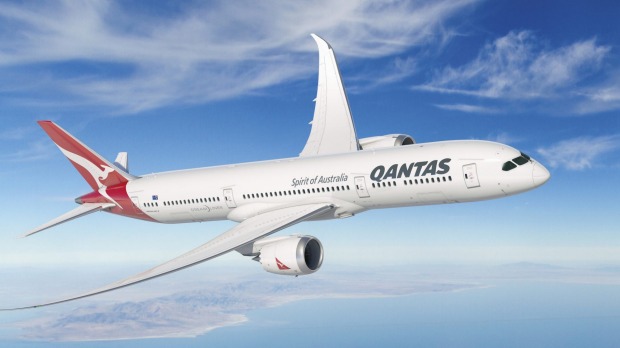
For Australians planning their next interstate getaway or long-awaited overseas holiday, the cost of flights is increasingly being shaped not by airline competition or seasonal demand—but by geopolitics.
At the centre of this shift is the evolving situation in Iran, particularly the fragile disarmament and ceasefire efforts now underway. While headlines focus on diplomacy and military positioning, the real-world impact is already being felt much closer to home: in the price of your airline ticket.
The Strait That Controls the Sky
To understand why airfares are rising, you need to look not at airports—but at a narrow stretch of water thousands of kilometres away: the Strait of Hormuz.
Roughly 20% of the world’s oil supply passes through this chokepoint . When conflict disrupts this route—as it has during the Iran crisis—global energy markets react immediately.
Recent developments show just how fragile the situation remains:
-
Oil shipments have been delayed or halted entirely
-
Hundreds of vessels have been backed up waiting to pass
-
Prices have surged toward $100+ per barrel amid uncertainty
Even with ceasefire or “disarmament” negotiations underway, markets are pricing in risk—not just reality.
And that risk premium flows directly into aviation.
Why Airlines Are So Exposed
Airlines are uniquely vulnerable to energy shocks. Unlike most industries, fuel is not just a cost—it is the cost.
-
Jet fuel can account for 30–40% of airline operating expenses
-
Aviation is one of the most oil-dependent sectors globally
-
Even small increases in fuel prices translate quickly into ticket prices
In the current crisis:
-
Jet fuel prices have surged sharply due to supply disruption
-
Some estimates show fuel costs doubling in weeks in certain markets
-
Airlines are already increasing fares and cutting routes
Put simply: when oil spikes, airfare follows.
The Double Impact: Fuel + Flight Paths
The Iran situation is not just about fuel prices—it is also reshaping global flight routes.
Airlines are increasingly avoiding parts of Middle Eastern airspace due to safety concerns. That means:
-
Longer flight paths
-
Increased fuel burn
-
Higher operational costs
These rerouting decisions compound the fuel price shock.
Industry analysts warn that international airfares could rise 15–20% on some routes as a result .
For Australians flying to Europe, the UK, or even parts of Asia, this is particularly relevant, as many routes traditionally pass near or over affected regions.
What the “Disarmament Campaign” Really Means
While political leaders frame current efforts as a move toward de-escalation, markets remain cautious.
Even after ceasefire announcements:
-
Oil shipping has not fully resumed
-
Confidence among tanker operators remains low
-
Infrastructure damage continues to limit supply
This means the so-called disarmament phase is not yet translating into lower costs.
In fact, economists warn that:
-
Oil prices may fall only gradually—even if peace holds
-
Airlines will be slower to reduce fares than fuel prices are to drop
-
A “risk premium” will persist in pricing for months
Airfares, once elevated, tend to stay elevated.
What It Means for Australian Travellers
For Australians, the implications are immediate and practical.
1. Domestic Flights Will Rise Too
Even interstate flights rely on global fuel pricing. Expect:
-
Higher Sydney–Melbourne and Sydney–Brisbane fares
-
Fewer discount seats
-
Reduced frequency on marginal routes
2. International Travel Will Be Hit Harder
Long-haul routes are most exposed:
-
Europe and UK flights likely to see the biggest increases
-
Asia routes affected by rerouting and fuel costs
-
Budget airlines under pressure, limiting cheap options
3. Timing Matters More Than Ever
Airfare pricing cycles will become more volatile:
-
Sudden spikes tied to geopolitical news
-
Short booking windows for best prices
-
Greater unpredictability overall
When Could Prices Come Down?
There is some cautious optimism—but it comes with conditions.
Airfares may begin to stabilise if:
-
The Strait of Hormuz fully reopens
-
Oil shipments return to normal levels
-
Ceasefire agreements hold over months, not weeks
Even then, any decline is expected to be slow. Analysts suggest fuel prices—and therefore airfares—will take weeks or months to normalise after stability returns .
And any renewed tension could reverse gains overnight.
The Bigger Picture: A New Era of Travel Pricing
The Iran crisis is a reminder of a broader structural reality:
Air travel is now tightly coupled to geopolitical risk.
This is not a one-off event. It reflects a world where:
-
Energy supply chains are fragile
-
Conflict zones sit on critical infrastructure
-
Airlines operate with thin margins and high exposure
For travellers, that means the era of predictably cheap flights may be over—at least for now.
The Bottom Line
If you are planning a trip in 2026, the advice is simple:
-
Expect higher prices
-
Book earlier than usual
-
Watch global news as closely as travel deals
Because in today’s world, the cost of your flight is no longer just about demand.
It is about diplomacy, النفط, and a narrow stretch of water on the other side of the world.